BG
Bill Gates
Microsoft · Bill & Melinda Gates Foundation · 1955–
Born October 28, 1955
Bill Gates (born 1955 in Seattle) learned to program at thirteen on a school Teletype. In January 1975 he and Paul Allen read about the MITS Altair 8800, wrote a BASIC interpreter for a machine they had never seen, and founded Microsoft on 4 April. The decisive move came in 1980: asked by IBM for an operating system, Microsoft sourced one from Seattle Computer Products, shipped it as PC DOS, and kept the right to sell MS-DOS to every rival. Windows followed in 1985, the 1986 IPO made him the richest man alive, and a 2000 court order nearly split the company in two. He left Microsoft full-time in 2008 for the Gates Foundation, which will spend down and close in 2045.
Contents
Career highlights
- 1955Born 28 October in Seattle, Washington.
- 1968In eighth grade at Lakeside School, the Mothers’ Club bought a Teletype Model 33 ASR terminal and block time on a General Electric computer; Gates wrote his first programs on it and was banned for a summer from Computer Center Corporation for exploiting operating-system bugs to get free machine time.
- 1972Founded Traf-O-Data at seventeen with Paul Allen and Paul Gilbert, building an Intel 8008 machine to read roadway traffic-counter tapes; it made a little money before Washington State began processing the tapes free, but left the pair able to simulate a microprocessor in software.
- 1975Read about the MITS Altair 8800 in Popular Electronics in January, wrote a BASIC interpreter with Allen on Harvard’s PDP-10 without ever touching an Altair, and watched it run first time in Albuquerque in March; Microsoft was founded on 4 April, Allen having coined the name ‘Micro-Soft’.
- 1976Published ‘An Open Letter to Hobbyists’ after a Homebrew Computer Club member copied a pre-release Altair BASIC tape and handed the duplicates round — ‘Most of you steal your software’ — the first public argument that software was property worth paying for.
- 1980IBM came to Microsoft in July wanting an operating system for its first personal computer; rather than write one, Microsoft took 86-DOS from Seattle Computer Products — buying it outright for $25,000 the following July — shipped it to IBM as PC DOS, and kept the right to license MS-DOS to everyone else. Within a year more than seventy other manufacturers had taken it.
- 1985Shipped Windows 1.0 on 20 November, two years after announcing it, putting a graphical shell on top of MS-DOS.
- 1986Took Microsoft public on 13 March; the share-price surge eventually created three billionaires and an estimated 12,000 millionaires among Microsoft employees.
- 1994Donated Microsoft stock to create the William H. Gates Foundation — the seed of the philanthropy that would eventually absorb the rest of his career.
- 1995Circulated ‘The Internet Tidal Wave’ memo on 26 May, turning the whole company toward the web; Internet Explorer was bundled into Windows, and by October 1997 the Justice Department was in court arguing the bundling broke a 1994 consent decree.
- 1998The Justice Department and twenty states filed United States v. Microsoft on 18 May; Gates’s videotaped deposition that August, in which he repeatedly could not recall his own emails, became the case’s defining exhibit.
- 2000Handed the CEO job to Steve Ballmer on 13 January and took the title chief software architect; Judge Jackson, having found Microsoft a monopolist on 5 November 1999, ordered it split in two on 7 June — a remedy the D.C. Circuit overturned on 28 June 2001 before the Justice Department settled for conduct rules that November. The family’s foundations merged the same year into the Bill & Melinda Gates Foundation.
- 2006Announced a two-year transition out of day-to-day work at Microsoft; Warren Buffett pledged more than $30 billion of Berkshire stock to the foundation.
- 2008Worked his last full-time day at Microsoft on 27 June, handing the chief-software-architect duties to Ray Ozzie and Craig Mundie.
- 2010Launched the Giving Pledge in June with Melinda and Warren Buffett; by August roughly forty billionaires holding some $125 billion had promised to give away more than half their wealth.
- 2020Left the Microsoft board in March — and Berkshire Hathaway’s — six years after stepping down as chairman, to work full-time on health, climate, and education.
- 2025Published Source Code: My Beginnings in February, the first of three planned memoirs, and announced he would give away roughly $200 billion over two decades, with the foundation closing on 31 December 2045.
Lessons for founders
- Own the layer everyone else has to build on. Microsoft’s fortune was not made by writing the best operating system but by making sure every PC maker had to license one from Redmond. Within a year of the IBM deal more than seventy manufacturers had taken MS-DOS, and every one of them made Microsoft’s standard harder to dislodge.
- The terms matter more than the deal. When IBM asked for an operating system in July 1980, Microsoft did not have one; it bought 86-DOS from Seattle Computer Products for $25,000 and delivered it as PC DOS. The value was entirely in the clause IBM did not insist on — Microsoft kept the right to sell the same system to IBM’s competitors.
- Argue for your business model before the market believes in it. In February 1976, with Microsoft a few months old and Altair BASIC circulating on freely copied paper tape, Gates published ‘An Open Letter to Hobbyists’: ‘Most of you steal your software.’ It made him widely disliked in the hobbyist community and established, years ahead of the industry, that software was a product rather than a giveaway attached to hardware.
- A failed venture is how you get ready for the real one. Traf-O-Data (1972) never made much money and died when Washington State started processing traffic tapes for free. But building it forced Gates and Allen to simulate an Intel processor in software, which is exactly how they wrote a BASIC interpreter in 1975 for an Altair they had never seen.
- Commit before you are ready, then close the gap on the way. Gates and Allen wrote to MITS claiming a working BASIC before one existed. Allen wrote the bootloader in 8080 machine language on the flight to Albuquerque, having realised on approach that they had forgotten it. It ran first time.
- One memo can turn a whole company. ‘The Internet Tidal Wave,’ circulated internally on 26 May 1995, reassigned the company’s priorities around the web in a single document. Microsoft went from having no browser strategy to shipping Internet Explorer inside Windows — and from there into the antitrust case that defined the next five years.
- Winning the market invites the state. The same bundling that beat Netscape produced United States v. Microsoft, filed 18 May 1998. Judge Jackson found Microsoft a monopolist in November 1999 and ordered it broken in two in June 2000; the D.C. Circuit reversed the remedy but not the facts. The cost was five years of executive attention at the peak of the company’s power.
- Read to change your mind, not to confirm it. Gates has run a public book blog for over a decade and treats reading as a way of being corrected. Of Hans Rosling’s Factfulness he wrote: ‘The framework Hans enunciates is one that took me decades of working in global development to create for myself, and I could have never expressed it in such a clear way. I’m going to try to use this model moving forward.’
- Give your institution an expiry date. Most large foundations are built to last forever. In 2025 Gates announced the opposite: roughly $200 billion given away over two decades, and the Gates Foundation shutting down on 31 December 2045. A deadline forces spending on problems solvable now rather than endowment preservation.
On the Founders podcast4×
Read about them7
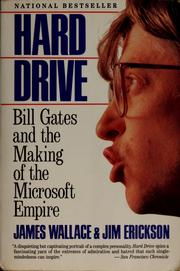
The investigative biography that traces Gates from the Lakeside teletype to the IBM deal and the operating-system monopoly. Written without his cooperation, it is the source Founders read on the episode and the closest thing to a standard account of Microsoft’s first fifteen years. source ↗
The other 1993 biography, by two technology journalists with far more access than Wallace and Erickson had. It is the more technically literate of the pair and better on how Microsoft actually made decisions in the DOS and Windows years. source ↗
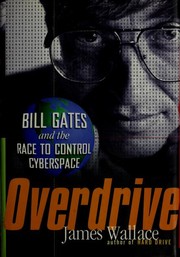
Wallace’s 1997 sequel to Hard Drive, covering the internet turn, the Netscape fight, and the antitrust scrutiny that was about to become a lawsuit. It stops just before the case was filed, which makes it a useful snapshot of Microsoft at maximum confidence. source ↗
A short reference biography from Greenwood covering the whole arc — Microsoft, the antitrust case, and the foundation — with a chronology and bibliography. Useful as a checkable single-volume overview rather than a narrative. source ↗
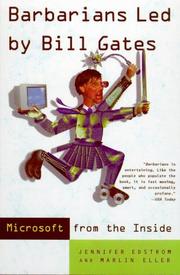
Written by a former Microsoft PR staffer and a developer who worked on Windows graphics for a decade, this is the insider’s counter-history: Microsoft as improvised, chaotic, and often lucky rather than strategically inevitable. A useful corrective to the authorised version. source ↗
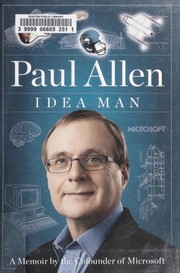
Allen’s 2011 memoir, and the only first-hand account of the founding from the other side of the partnership. It is also the source of the most contested passages about how the founding equity was divided and how the two of them argued. source ↗
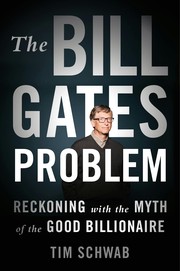
An investigative critique of the Gates Foundation’s influence over global health, agriculture, and education policy. It is on the shelf because the philanthropic half of the story is usually told only by the foundation, and this is the most substantial published dissent. source ↗
In their own words5
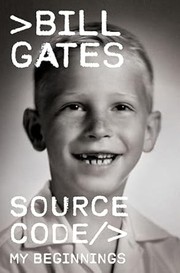
Gates’s own account of his childhood, Lakeside, Traf-O-Data, and the founding of Microsoft, published by Knopf in February 2025. It stops in the late 1970s and is the first of three planned volumes — the Microsoft years and the philanthropy are still to come. source ↗
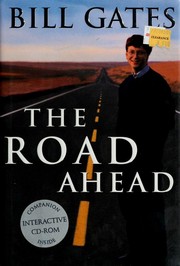
The 1995 book on where computing was going, written just as Gates was reorienting Microsoft around the internet. Famously underweighted the web in its first edition, which he corrected in the revision a year later — a useful record of what the industry’s most powerful forecaster got wrong. source ↗
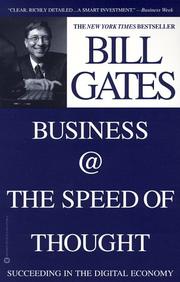
The 1999 argument for what Gates called a company’s ‘digital nervous system’ — running the business on flows of information rather than paper. Effectively a manifesto for the software Microsoft was selling at the time, which is part of what makes it readable as a primary source. source ↗
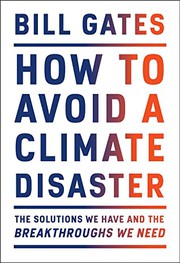
Gates’s 2021 framework for getting to net-zero: start from 51 billion tonnes a year, work through every emitting sector, and judge each fix by its ‘Green Premium.’ The clearest statement of how he reasons about a problem — decompose, quantify, then fund the gap markets will not close. source ↗
Written after COVID-19 and published in 2022, it proposes a standing global outbreak-response corps and the surveillance, manufacturing, and trial infrastructure to support it. The direct sequel to his 2015 warning that the world was unready for a respiratory pandemic. source ↗
What they recommend120
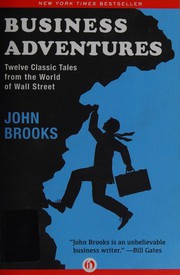
Named his favourite business book, on Warren Buffett’s recommendation"Today, more than two decades after Warren lent it to me—and more than four decades after it was first published—Business Adventures remains the best business book I’ve ever read." source ↗
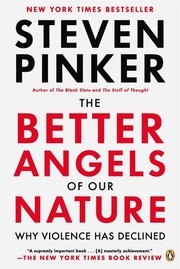
The book he says most shaped how he reads global progress"People often ask me what is the best book I’ve read in the last year. Steven Pinker’s The Better Angels of Our Nature: Why Violence Has Declined stands out as one of the most important books I’ve read—not just this year, but ever." source ↗
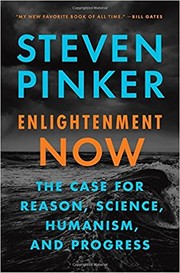
Named his favourite book of all time in 2018"Enlightenment Now is not only the best book Pinker’s ever written. It’s my new favorite book of all time." source ↗
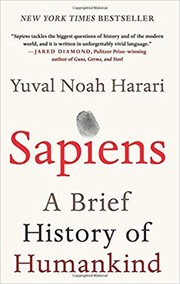
A book he pressed on Melinda and kept arguing about for weeks"I had just finished the book and I was dying to talk to her about it. It’s so provocative and raises so many questions about human history that I knew it would spark great conversations around the dinner table." source ↗
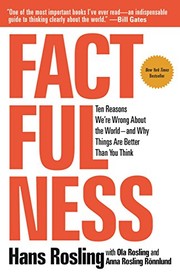
Made it his gift to every US college graduate in 2018"The framework Hans enunciates is one that took me decades of working in global development to create for myself, and I could have never expressed it in such a clear way. I’m going to try to use this model moving forward." source ↗
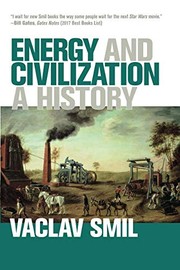
Says he has read nearly all of Smil’s books"I wait for new Smil books the way some people wait for the next Star Wars movie." source ↗
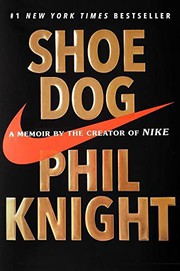
Recommended as the antidote to tidy founder narratives"Shoe Dog, Phil Knight’s memoir about creating Nike, is a refreshingly honest reminder of what the path to business success really looks like. It’s a messy, perilous, and chaotic journey riddled with mistakes, endless struggles, and sacrifice." source ↗
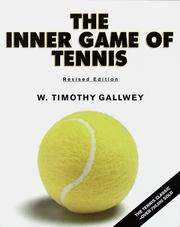
First read in the mid-1970s and reread several times"It’s the best book on tennis that I have ever read, and its profound advice applies to many other parts of life. I still give it to friends today." source ↗
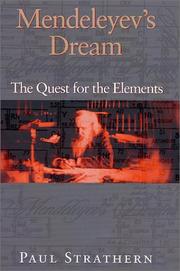
Named his favourite book on the periodic table"Mendeleyev’s Dream is the best book I’ve ever read on the periodic table. It helps you understand how it all got pieced together and why it’s so helpful." source ↗
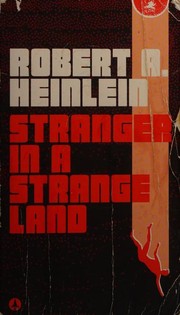
The book that started his friendship with Paul Allen"When my Microsoft co-founder, Paul Allen, and I were kids, we fell in love with computing. But software wasn’t the first thing we bonded over. It was Robert Heinlein." source ↗
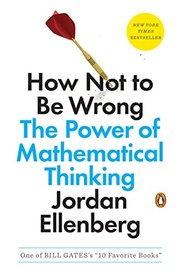
Recommended in his summer reading list"On the surface it’s about math, but it’s really about how much math plays into our daily lives without our even knowing it." source ↗
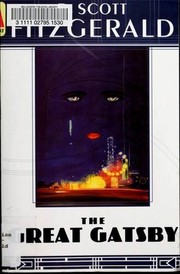
The novel he rereads most often"Melinda and I both love the book, and it’s the novel that I reread the most." source ↗
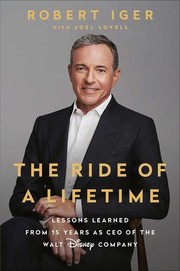
"Unlike most books on leadership, this one is worth your time." source ↗
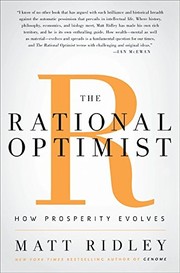
"The book focuses on some of the critical issues facing the world today including aid to Africa and climate change." source ↗
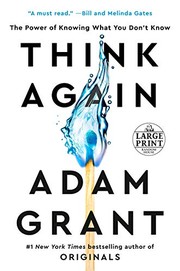
"Think Again is a must-read for anyone who wants to create a culture of learning and exploration, whether at home, at work, or at school." source ↗
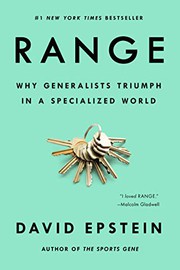
"Range explains the greatness of Roger Federer and other generalists" source ↗
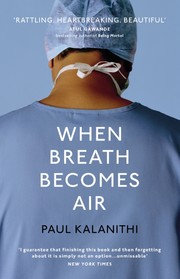
"This book left me in tears" source ↗
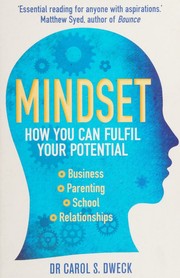
"Revisiting Carol Dweck’s fascinating work on the growth mindset." source ↗
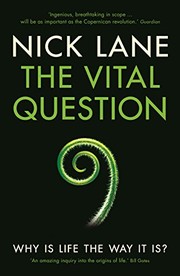
"This biology book blew me away. A compelling case for how energy made us who we are." source ↗
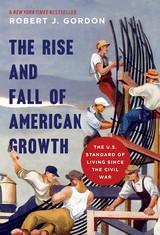
"The book was a fantastic read, and well worth the time" source ↗
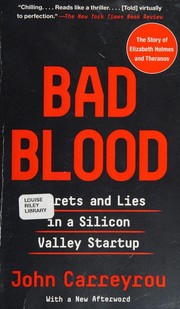
"I couldn’t put down this thriller with a tragic ending" source ↗
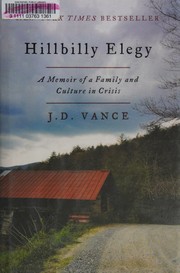
"Hillbilly Elegy gave me new insights into poverty in America." source ↗
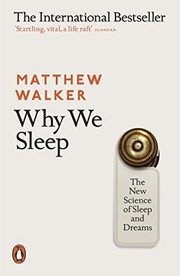
"This book put me to sleep An expert explains the benefits of a good night’s rest." source ↗
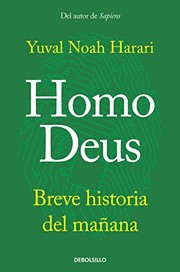
"A provocative new book raises big questions about the future." source ↗
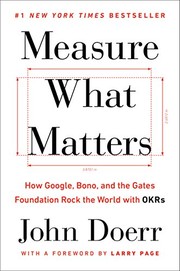
"Management tips from a brilliant business leader" source ↗
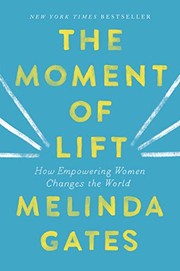
"I would say this even if I weren’t married to the author: The Moment of Lift is a terrific read." source ↗
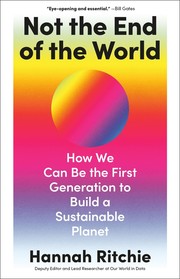
"His life and work have influenced my own tremendously—and just a few pages into Ritchie's essential and hopeful new book, Not the End of the World: How We Can Be the First Generation to Build a Sustainable Planet, it became clear that she was carrying on his tremendous legacy." source ↗
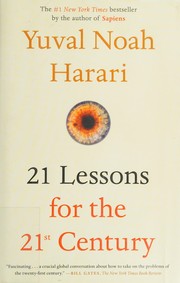
"Yuval Noah Harari has written another thought-provoking book." source ↗
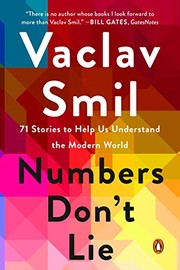
"Vaclav Smil is my favorite author… Numbers Don't Lie takes everything that makes his writing great and boils it down into an easy-to-read format. I unabashedly recommend this book to anyone who loves learning." source ↗
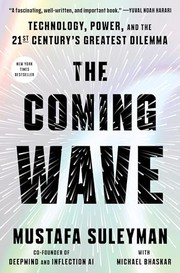
"But what sets his book apart from others is Mustafa's insight that AI is only one part of an unprecedented convergence of scientific breakthroughs." source ↗
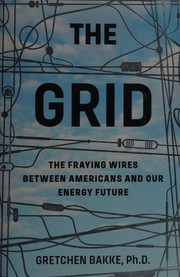
"This book, about our aging electrical grid, fits in one of my favorite genres: “Books About Mundane Stuff That Are Actually Fascinating.” Part of the reason I find this topic fascinating is because my first job, in high school, was writing software for the entity that controls the power grid in the Northwest. But even if you have never given a moment’s thought to how electricity reaches your outlets, I think this book would convince you that the electrical grid is one of the greatest engineering wonders of the modern world. I think you would also come to see why modernizing the grid is so complex and so critical for building our clean-energy future." source ↗
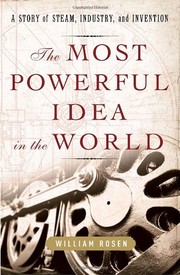
"The Most Powerful Idea in the World is an entertaining narrative weaving together the clever characters, incremental innovations and historical context behind the steam engines that gave birth to our modern world." source ↗
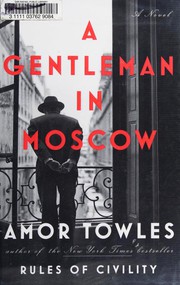
"A Gentleman in Moscow has a little bit of everything Towles’s novel is technically historical fiction, but you’d be just as accurate calling it a thriller or a love story." source ↗
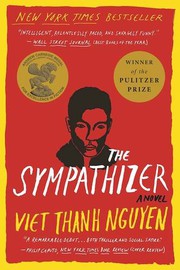
"A fresh take on the Vietnam War I thought this thrilling story about a double agent lived up to the hype." source ↗
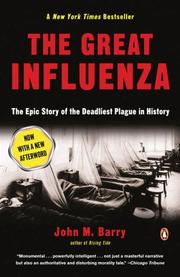
"This book taught me a lot about the Spanish Flu. John M. Barry’s 2004 book The Great Influenza has never been more relevant." source ↗
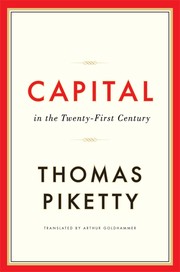
"The debate over wealth and inequality has generated a lot of partisan heat. I don’t have a magic solution for that. But I do know that, even with its flaws, Piketty’s work contributes at least as much light as heat." source ↗
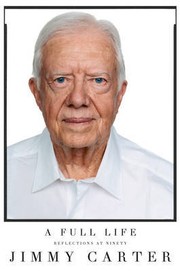
"A quick retelling of the former president’s fascinating story." source ↗
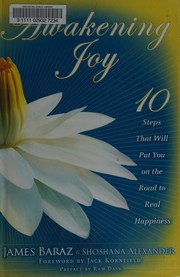
"Even if you don’t read many inspirational books, try this is one." source ↗
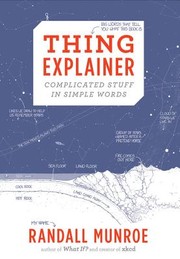
"Nuclear physics, space travel, and other topics made easy." source ↗
"A front row view of the financial crisis" source ↗
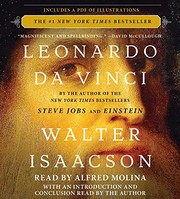
"Walter Isaacson’s terrific new biography sheds light on every facet of the artist’s life." source ↗
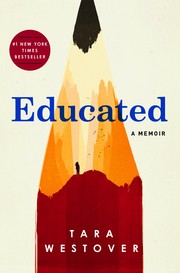
"Educated is even better than you’ve heard" source ↗
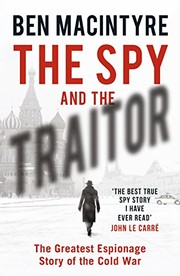
"An amazing real-life espionage thriller" source ↗
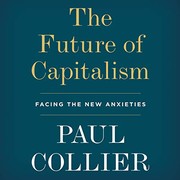
"A renowned economist’s thought-provoking new book." source ↗
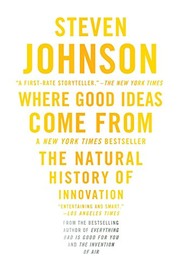
"I recently read Steven Johnson’s book, Where Good Ideas Come From: The Natural History of Innovation, and found it useful as a way to think about the kinds of environments that foster creative collaboration and innovation." source ↗
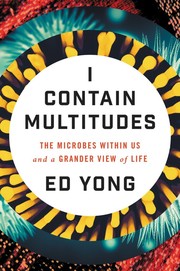
"I Contain Multitudes helped me see microorganisms in a whole new light." source ↗
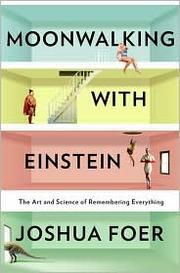
"It’s absolutely phenomenal, one of the most interesting books I’ve read this summer." source ↗
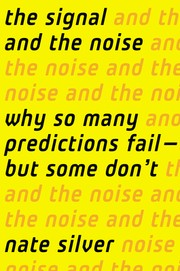
"Silver knows a lot about baseball, and I especially liked his explanation of hold’em poker." source ↗
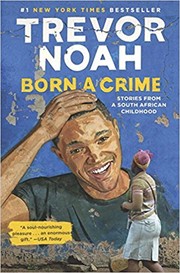
"Trevor Noah’s funny and moving account of growing up in South Africa." source ↗
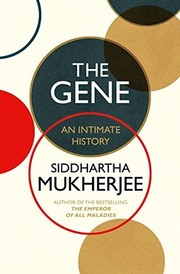
"A talented writer and doctor guides us through the past, present, and future of genome science." source ↗
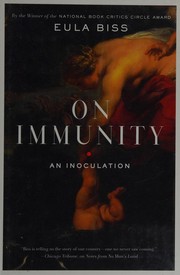
"When I stumbled across the book on the Internet, I thought it might be a worthwhile read. I had no idea what a pleasure reading it would be." source ↗
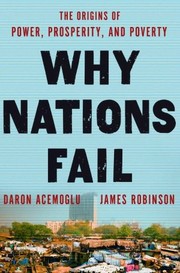
"Good ideas" source ↗
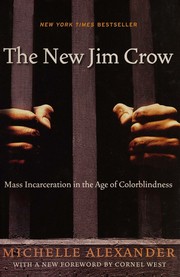
"An eye-opening look into America's criminal justice system. The New Jim Crow will help you understand the history and the numbers behind mass incarceration." source ↗
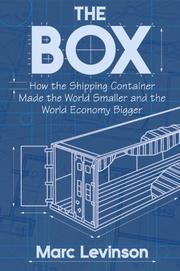
"Shipping containers are way more interesting than you might think." source ↗
"David MacKay’s brilliant book is a primer on how we make energy and its impact on the climate." source ↗
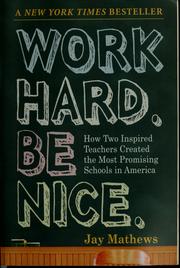
"Jay Mathews’ book Work Hard. Be Nice. describes the history of KIPP by telling the story of Mike Feinberg and Dave Levin. KIPP is remarkable in some ways, particularly in its ability to attract great teachers and engage and inspire students." source ↗
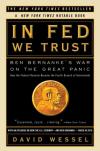
"Provides interesting background about the way the Federal Reserve managed the crisis" source ↗
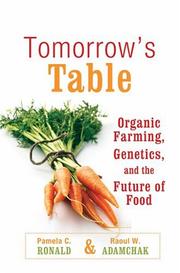
"This is an important book for anyone who wants to learn about the science of seeds and the challenges faced by farmers. It’s only 167 pages, and includes personal stories that give you a sense of the authors as people and how strongly they feel about farming, food and the environment." source ↗
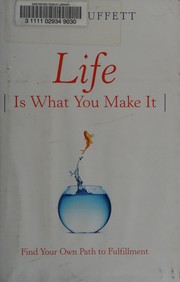
"Peter Buffett recently published a terrific book, titled Life is What You Make It." source ↗
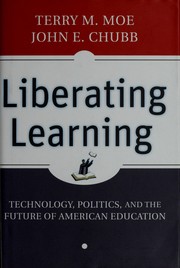
"Liberating Learning by Terry Moe and John Chubb is an important book that focuses on how technology will change K-12 education in the United States." source ↗
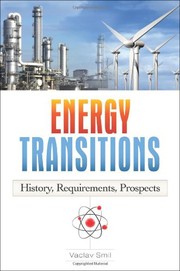
"Vaclav Smil has written another important book on energy which is quite amazing." source ↗
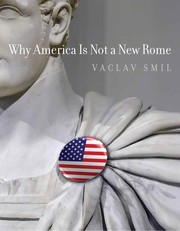
"Vaclav Smil has written another very informative book called Why America is Not a New Rome." source ↗
"Until I read Jim Grant—UNICEF Visionary, I didn’t appreciate what a remarkable visionary and results-driven leader he was." source ↗
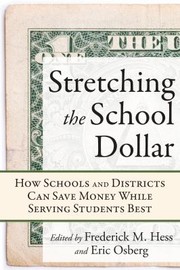
"I wish there were ten more books like Stretching the School Dollar." source ↗

"For a basic understanding of where education money comes from and how it gets spent, one of the books I highly recommend is Where Do School Funds Go? by Marguerite Roza." source ↗
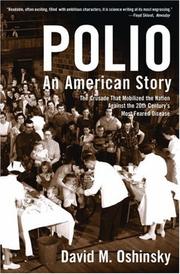
"I’m a fan of David Oshinsky’s insightful book, Polio: An American Story. (I’m not alone here, as it received the Pulitzer Prize for history in 2006.) It is a fascinating account of the search for a vaccine to stop the polio epidemics that swept the U.S. in the first half of the 20th century" source ↗
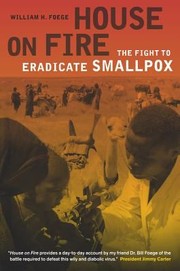
"The author, Bill Foege, has been an inspiring advisor to us from the beginning." source ↗
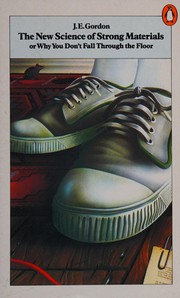
"Our ability to understand how materials behave has been central to the story of human progress over the years. One of the best ways to begin to understand this important subject is to read a book written more than 40 years ago." source ↗
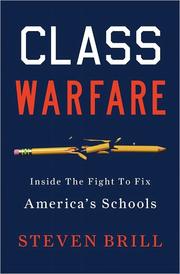
"a well-written account of the people, politics, and policies involved in the effort to improve teaching and learning." source ↗
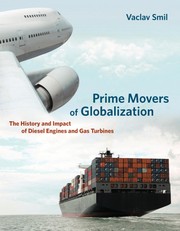
"Prime Movers of Globalization is another remarkable book by Smil" source ↗
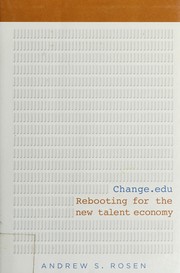
"In Change.edu, Andrew Rosen calls for greater relevance, access, accountability and transparency in higher education. He builds a persuasive case that many non-traditional students, such as working adults, parents and those at risk of dropping out, are not well served by traditional institutions" source ↗
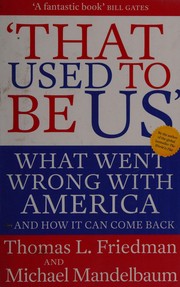
"That Used to Be Us is a fantastic book, and I really encourage people to read it." source ↗
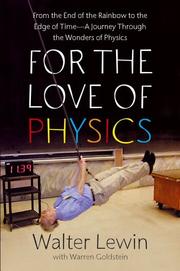
"Lewin is an incredible teacher who’s passionate about the beauty of physics and its power as a way of looking at the world." source ↗
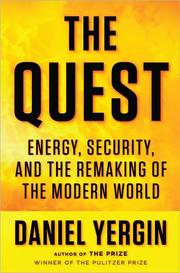
"Daniel Yergin’s book is a guide to complex factors shaping energy needs." source ↗
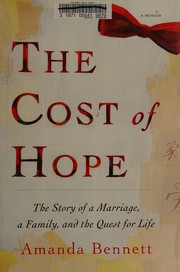
"What makes this memoir interesting is that there are not many books where the author speaks first-hand about the administration of our health care system or gives real life explanations to the current cost crisis." source ↗
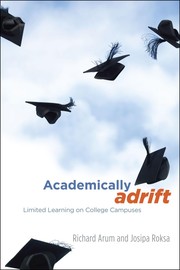
"Before reading this book, I took it for granted that colleges were doing a very good job." source ↗
"All in all, it’s an interesting view into five countries which are making remarkable educational progress and that offer lessons for us in the U.S." source ↗
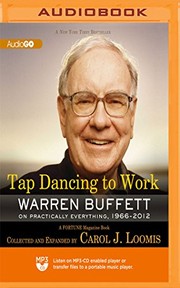
"Great stories from a very smart guy" source ↗
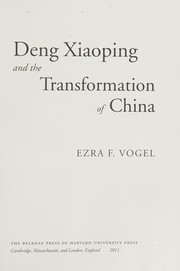
"If you’re going to read one book about modern China in the period after Mao, then this is the book you should read." source ↗
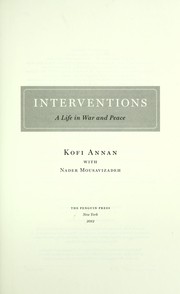
"I recently picked up Kofi Annan’s book, Interventions: A Life in War and Peace, about his years as Secretary-General of the UN. It was a reminder of his achievements in global health and development, and helpful to learn about the other side of his UN work on peacekeeping issues." source ↗
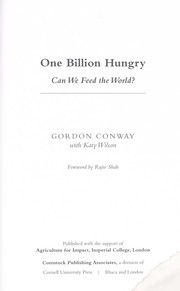
"I found his new book, One Billion Hungry, an interesting read and a clear roadmap for what we need to do to increase agricultural productivity and eliminate hunger in the world." source ↗
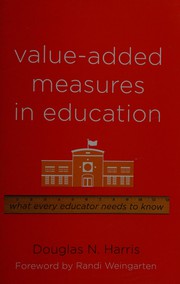
"An economist explores a controversial subject: teacher accountability." source ↗
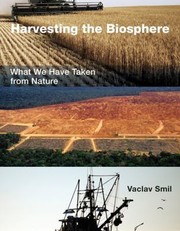
There is no author whose books I look forward to more than Vaclav Smil. — the cited capture is a shell page; passage unverified source ↗
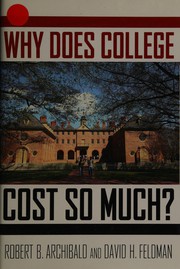
"This book looks at college costs in the context of the larger economy, and offers suggestions for policy to increase access." source ↗
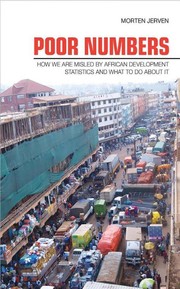
"He details his findings in a new book, Poor Numbers: How We Are Misled By African Development Statistics and What To Do About It, which makes a strong case that a lot of GDP measurements we thought were accurate are far from it." source ↗
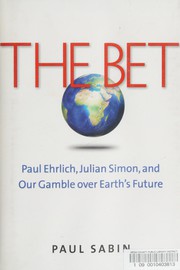
"I recommend The Bet to anyone wanting to understand the history of the divisive discussions we have today, especially the stalemate over climate change" source ↗
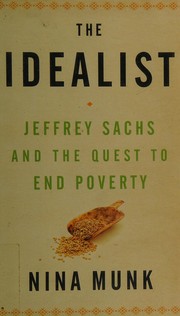
"A cautionary tale from Africa." source ↗
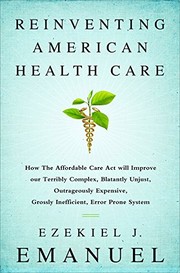
"An architect of Obamacare on why the U.S. health system needed to change." source ↗
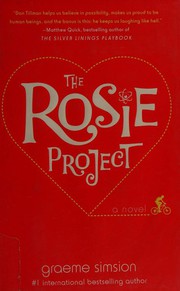
"The Rosie Project is one of the best novels I’ve read in a long time." source ↗
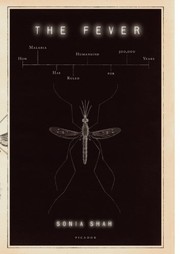
"If you read just one book about malaria, The Fever may be the best choice." source ↗
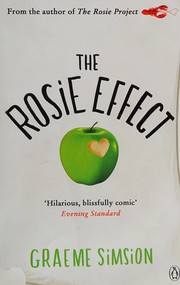
"The novel I gave to 50 friends Graeme Simsion’s second Rosie book is just as smart, funny, and sweet as his first." source ↗
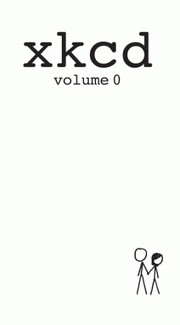
"This is one of two Randall Munroe books I've read, and it is (by design) the funnier of the pair." source ↗
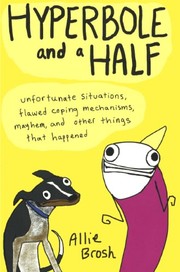
"Allie Brosh’s memoir looks openly at depression. It’s also very funny." source ↗
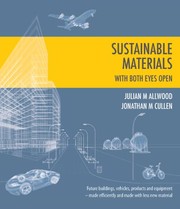
"How we can cut carbon emissions by using less stuff." source ↗
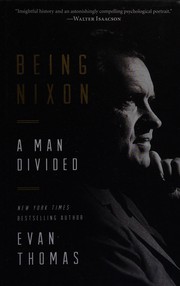
"Being Nixon explores the different sides of a complicated man." source ↗
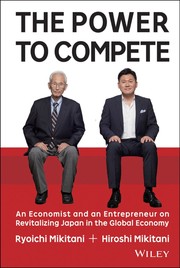
"The Power to Compete has smart ideas about revitalizing Japan’s economy." source ↗
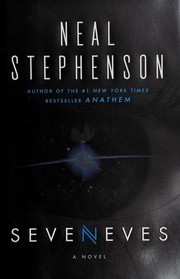
"The novel that rekindled my love for sci-fi." source ↗
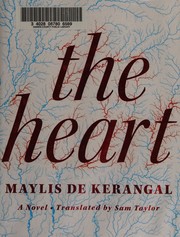
"That's almost what Maylis de Kerangal's The Heart is, though. It's poetry disguised as a novel." source ↗
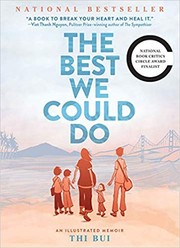
"This powerful graphic novel explores parenthood and life during wartime." source ↗
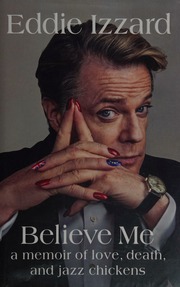
"Eddie Izzard is a comic genius, and his memoir is terrific" source ↗
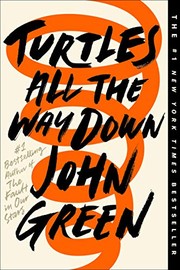
"My family loved reading this book together Readers of all ages will enjoy John Green’s latest novel, Turtles All the Way Down." source ↗
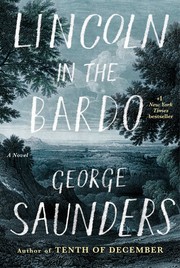
"Lincoln in the Bardo gave me a new perspective on America’s 16th president." source ↗
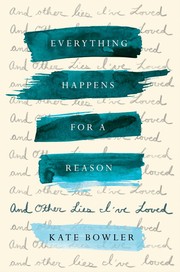
"A wise and funny memoir from a young woman facing her own mortality." source ↗
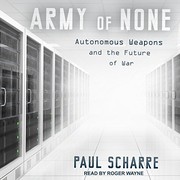
"This book educated me about the pros and cons of autonomous weapons." source ↗
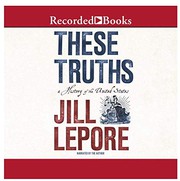
"An eye-opening history of the United States." source ↗
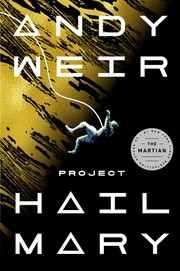
Recommended on his 2021 holiday reading list"Even if you aren’t a big science fiction fan, Project Hail Mary is a terrific story about two friends using science and engineering to save the day." source ↗
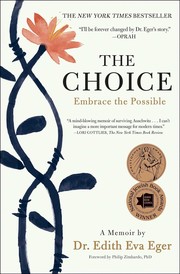
Recommended on his 2020 summer reading list"That combination gives her fascinating insight into how people heal." source ↗
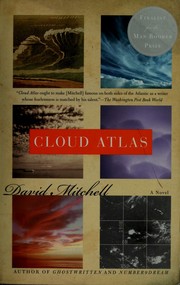
Recommended on his 2020 summer reading list"You’ll think and talk about Cloud Atlas for a long time after you finish reading." source ↗
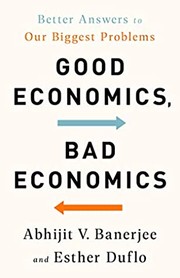
Recommended on his 2020 summer reading list"Two economists who are honest about the limits of economics and don’t oversimplify are the husband-and-wife team of Abhijit Banerjee and Esther Duflo." source ↗
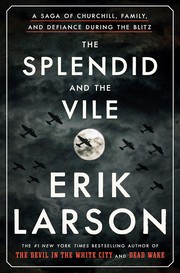
Recommended on his 2020 holiday reading list"The result is the kind of page-turner you always want in a history book but rarely get." source ↗
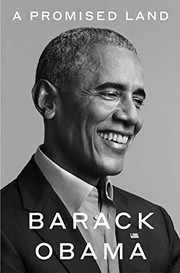
Recommended on his 2021 summer reading list"President Obama’s memoir is a terrific read, no matter what your politics are." source ↗
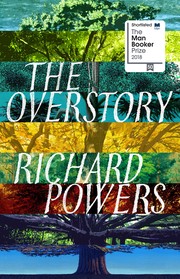
Recommended on his 2021 summer reading list"I think the relationship between people and nature is a bit more complicated than The Overstory suggests." source ↗
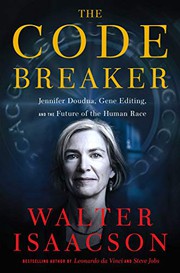
Recommended on his 2021 holiday reading list"Isaacson goes into detail about every CRISPR researcher the foundation is supporting (and many others as well)." source ↗
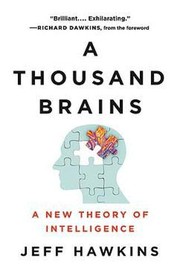
Recommended on his 2021 holiday reading list"It’s filled with fascinating insights into the architecture of the brain and tantalizing clues about the future of intelligent machines." source ↗
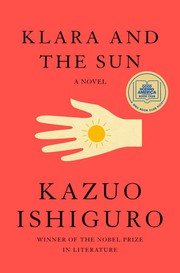
Recommended on his 2021 holiday reading list"I’m drawn more to books and movies that paint robots in a positive light." source ↗
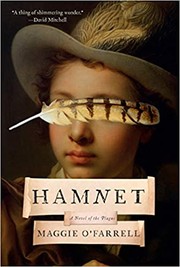
Recommended on his 2021 holiday reading list"I thought it was a beautiful, well-written look at how grief tears a family apart." source ↗
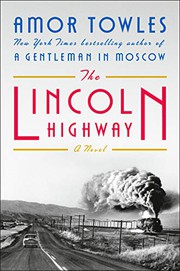
Recommended on his 2022 summer reading list"I loved the latest from the author of A Gentleman in Moscow." source ↗
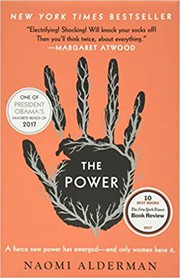
Recommended on his 2022 summer reading list"The Power raises timely questions about gender dynamics." source ↗
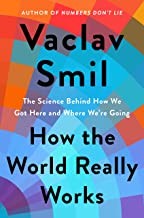
Recommended on his 2022 summer reading list"If you want a brief but thorough education in numeric thinking about many of the fundamental forces that shape human life, this is the book to read." source ↗
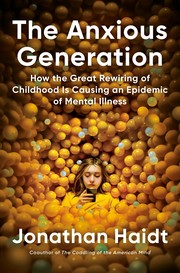
Recommended on his 2024 holiday reading list"This book is a must-read for anyone raising, working with, or teaching young people today." source ↗
Similar taste
Founders who share the most book recommendations with Bill:
Sources23
- Bill Gates — Wikipedia
- Microsoft — Wikipedia
- Altair BASIC — Wikipedia
- An Open Letter to Hobbyists — Wikipedia
- Traf-O-Data — Wikipedia
- MS-DOS — Wikipedia
- United States v. Microsoft Corp. — Wikipedia
- Steve Ballmer — Wikipedia
- Source Code (memoir) — Wikipedia
- Our story — Gates Foundation
- The Giving Pledge — Wikipedia
- The Best Business Book I’ve Ever Read (archived Gates Notes) — Internet Archive / GatesNotes
- My new favorite book of all time (archived Gates Notes) — Internet Archive / GatesNotes
- Bill Gates Discusses His Lifelong Love for Books and Reading — TIME
- Here’s my gift to college graduates (archived Gates Notes) — Internet Archive / GatesNotes
- What’s Bill Gates’s favorite business book? — Christian Science Monitor
- Open Library — Internet Archive
- 5 summer books and other things to do at home (archived Gates Notes) — Internet Archive / GatesNotes
- 5 good books for a lousy year (archived Gates Notes) — Internet Archive / GatesNotes
- 5 ideas for summer reading (archived Gates Notes) — Internet Archive / GatesNotes
- 5 books I loved reading this year (archived Gates Notes) — Internet Archive / GatesNotes
- 5 great books for the summer (archived Gates Notes) — Internet Archive / GatesNotes
- Books to keep you warm this holiday season (archived Gates Notes) — Internet Archive / GatesNotes