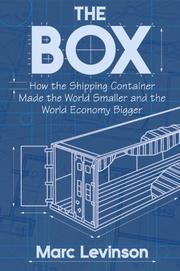
- Bill Gates: "Shipping containers are way more interesting than you might think." source ↗
Marc Levinson's 2006 business history of the shipping container, tracing its path from Malcom McLean's 1956 invention through the battles with ports, unions, railroads, and trucking companies that resisted standardisation. Levinson shows how a steel box that took twenty years to catch on eventually remade global manufacturing — enabling just-in-time supply chains, the Asian export boom, and the geography of where goods are made and consumed. Shortlisted for the FT/Goldman Sachs Business Book of the Year.
Gates called it "way more interesting than you might think." For a founder, the container story is a masterclass in why network effects take decades to materialise and why standardisation — not invention — is often the bottleneck. McLean invented the container in 1956, but it was the International Standards Organisation's 1968 dimensions that made it work, and it took a Vietnam War logistical crisis to force mass adoption.
Levinson's lesson is that the container changed the world not by technology (a welded steel box is not sophisticated) but by completing a missing standard in a system where every participant had an incentive to block it. Founders building in logistics, manufacturing, or any industry with fragmented legacy participants should recognise the pattern: the innovator who solves the standardisation problem captures the system, not the one who invents a better box.