Brian Armstrong
Co-founder and CEO of Coinbase, the exchange that turned cryptocurrency from a hobbyist niche into a regulated, mainstream American asset class. Born January 25, 1983, in San Jose, California, to engineer parents, Armstrong studied economics and computer science at Rice University, worked as a developer at IBM and a consultant at Deloitte, and joined Airbnb in 2011 — the cross-border payment problems he hit there brought him to the Bitcoin whitepaper and, by 2012, to launching Coinbase with Fred Ehrsam through Y Combinator. He ran the company through the 2018 and 2022 crypto winters into its April 2021 Nasdaq debut — an $85 billion direct listing, the first for any crypto company — and won the regulatory argument by embracing compliance rather than fleeing it. One of the most visibly well-read founders in tech, he documents what he reads in essays that are themselves part of his building philosophy.
Contents
- 1983Born 25 January in San Jose, California, to two software engineers.
- 2005Earned a dual bachelor's degree in economics and computer science from Rice University.
- 2006Earned a master's in computer science from Rice University; then spent a year in Buenos Aires working for an education company.
- 2011Joined Airbnb as a software engineer, where exposure to international payments seeded his interest in bitcoin.
- 2012Co-founded Coinbase with Fred Ehrsam through Y Combinator, after a widely-noted Hacker News post looking for a co-founder.
- 2018Coinbase raised $300 million led by Tiger Global at an $8.1 billion valuation.
- 2020Published 'Coinbase Is a Mission Focused Company,' asking employees to leave political activism at the door; 60 employees, about 5% of the company, accepted the offered severance.
- 2021Took Coinbase public via a direct listing on Nasdaq (COIN) in April, an $85 billion debut — the first major crypto company to go public.
- 2023Co-founded NewLimit, a longevity company researching epigenetic reprogramming; raised a $40 million Series A in May.
- Regulatory compliance is a moat, not a tax. While much of crypto built itself offshore to dodge regulators, Armstrong built Coinbase to be the auditable, licensed, listed player. When the industry's wild years ended, the company that had embraced rules was the one standing — the 2021 direct listing and the trust of US institutions are the payoff.
- Keep the mission separate from politics. Armstrong's 2020 'Mission Focused' letter is the clearest statement of a founder's right to define what the company is for: profit and purpose, not activism. He offered severance to employees who disagreed, and 5% took it — an expensive, public commitment to a principle he considers essential to the company's survival.
- Infrastructure wins the adoption race. Bitcoin's promise lived or died on boring rails: wallets, custody, exchange reliability, account security. Armstrong treated these as the product, not the interesting part of the industry — and it made Coinbase the default on-ramp for a generation of users.
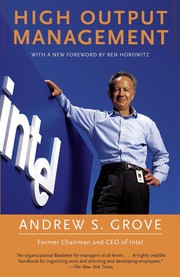
- A founder's reading list is an operating system. Armstrong publishes the books that changed how he thinks and treats the list as living doctrine — Feynman's curiosity, The Sovereign Individual's information-age thesis, High Output Management's 1:1s and OKRs. His read shelf is not decoration; the management vocabulary of his own company comes out of it.
- Solve the co-founder problem in public, with rigor. Armstrong met Fred Ehrsam only after a viral Hacker News post and reportedly more than fifty meetings. The search for a partner was treated as the most important hiring decision he would make — before there was a company to hire into.
- Weather the winters by building for the decade. Coinbase kept building through the 2018–2020 bear market and the 2022 crash, when peers froze withdrawals or went to prison. Patience with the asset's long arc, not trading the cycle, is what Armstrong identifies as the core of the company's resilience.
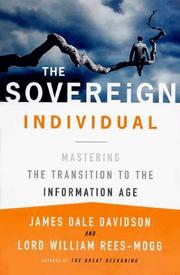
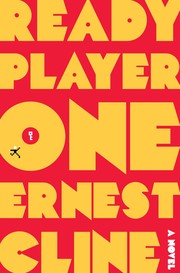
Founders who share the most book recommendations with Brian:
Sources4
- Brian Armstrong (businessman) — Wikipedia
- 14 Books That Changed the Way I Think — Medium
- Some Books I've Read This Year — Medium
- Open Library — Internet Archive