Ed Catmull
Ed Catmull is a co-founder of Pixar and a former president of Pixar and Walt Disney Animation Studios. He grew up in Salt Lake City with an interest in both art and science. In his Computer History Museum interview, he describes wanting to become an animator, then choosing physics when he could not see a route into that work. At the University of Utah, computer graphics brought those interests together. He earned his doctorate in computer science in 1974. Catmull worked on computer animation at the New York Institute of Technology before George Lucas recruited him in 1979 to lead Lucasfilm’s Computer Division. The group developed tools for making films. In 1986, Steve Jobs bought the division and established Pixar as an independent company. Catmull’s path joined research, software, hardware and storytelling; the film studio emerged from years of work that did not begin as a proven feature-film business. Pixar released Toy Story in 1995 and went public days later. After Disney bought Pixar in 2006, Catmull and John Lasseter also took leadership roles at Disney Animation. Catmull retired from his studio presidency at the end of 2018 and remained a consultant through July 2019. His management book, Creativity, Inc., written with Amy Wallace, was expanded in 2023. His account of creative work centers on the conditions that help people see and fix problems. The Braintrust brought experienced colleagues together to test a film and help its team improve the work. Catmull treats honest discussion as a practice that needs continued care, because fear, status and personal attachment can suppress it. In his later interview with David Senra, he describes leaders delaying their own comments so that others can speak first. His experience is useful for studying how technical teams and creative teams can work through uncertain projects without making rank the test of an idea.
Which books are linked to Ed Catmull?
These are examples from the documented shelf. Each label describes the connection; a book on the shelf is not always a recommendation.
- The Man Who Broke Capitalism: How Jack Welch Gutted the Heartland and Crushed the Soul of Corporate America—and How to Undo His Legacy by David Gelles — Explicit praise in an original interview. Source
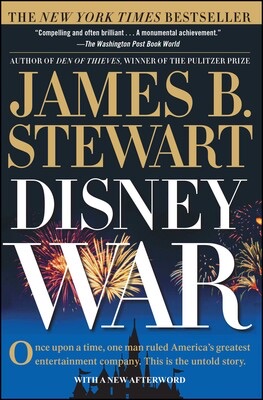
- DisneyWar by James B. Stewart — Critical response; limits of the book’s Pixar account. Source
- Steve Jobs by Walter Isaacson — Critical response to the biography. Source
Contents
Career highlights
- 1974Earns a Ph.D. in computer science at the University of Utah.
- 1979George Lucas recruits him to head Lucasfilm’s Computer Division.
- 1986Co-founds Pixar as Steve Jobs buys the Lucasfilm division and establishes an independent company.
- 1995Pixar releases Toy Story on November 22 and holds its initial public offering on November 28.
- 2006Disney acquires Pixar; Catmull also takes a leadership role at Walt Disney Animation Studios.
- 2018Retires from his studio presidency at year end, with consultancy continuing through July 2019.
- 2023Publishes the expanded edition of Creativity, Inc., written with Amy Wallace.
Lessons for founders
- Create a place for direct peer review. Catmull describes the Braintrust as a group that meets to find problems in films. Give skilled peers a clear setting in which to offer honest feedback.
- Discuss the work, not the worth of its maker. Catmull describes healthy Braintrust discussion as focused on the problem rather than who is right. Critique should help someone improve the work, not defend their status.
- Keep checking whether people can speak freely. Catmull says fear and personal concerns can return even in a candid team. A useful review process needs continued care, not one promise of openness.
- Let other people speak before the leader. Catmull says people with power should hold back at the start of a review. Early comments from a leader can set the limits of the discussion.
- Keep some reviewers fresh to the work. Catmull describes screenings that included people who had not already seen a film. Familiarity can hide a problem that a new viewer can see.
- Look below the first explanation. Catmull warns against deciding after examining only one layer of a problem. Make room to test deeper causes before settling on a response.
Podcast coverage
3×Read about them
3
In their own words
1
Books on their shelf
15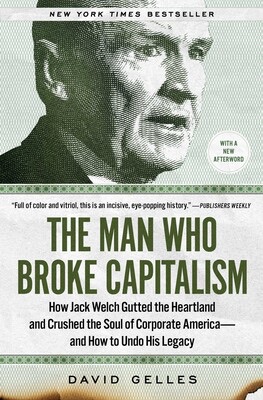





Similar taste
Founders who share the most book recommendations with Ed:
Sources
22
- Computer History Museum — Oral History of Edwin Catmull, March 1, 2013
- University of Utah — History of the School of Computing
- Pixar — Our Story
- University of Utah — Catmull to receive Academy Award
- Ed Catmull — Inside the Pixar Braintrust, excerpt from Creativity, Inc.
- Ed Catmull — original David Senra interview
- Creativity, Inc. (The Expanded Edition) — publisher
- The Pixar Touch — publisher and author interview
- Founders — episode 34
- Founders — episode 317
- Becoming Steve Jobs: The Evolution of a Reckless Upstart into a Visionary Leader — Publisher endorsement and interview contribution
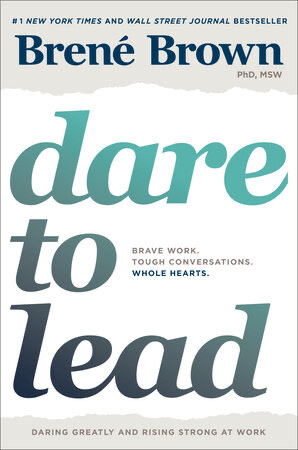
- Dare to Lead: Brave Work. Tough Conversations. Whole Hearts. — Publisher endorsement with a work-specific recommendation
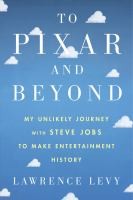
- To Pixar and Beyond: My Unlikely Journey with Steve Jobs to Make Entertainment History — Author-hosted endorsement of a company participant’s account
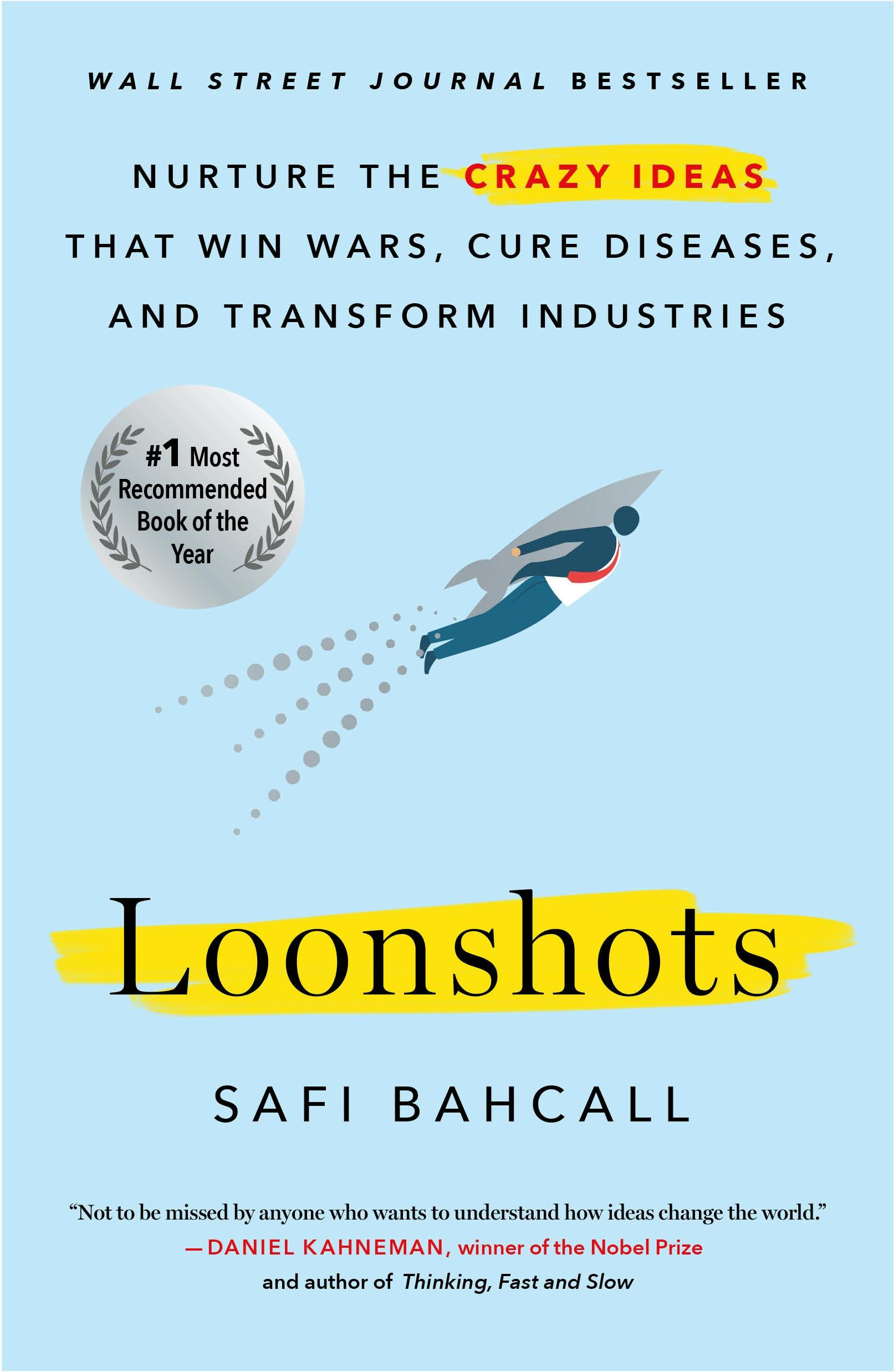
- loonshots-how-to-nurture-the-crazy-ideas-that-win-wars-cure-diseases-and-transform-industries-safi-bahcall — Author-hosted endorsement and recommendation
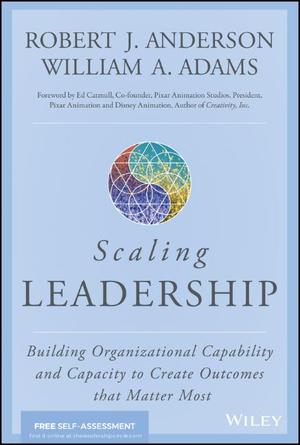
- scaling-leadership-building-organizational-capability-and-capacity-to-create-outcomes-that-matter-most-robert-j-anderson-and-william-a-adams — Foreword author
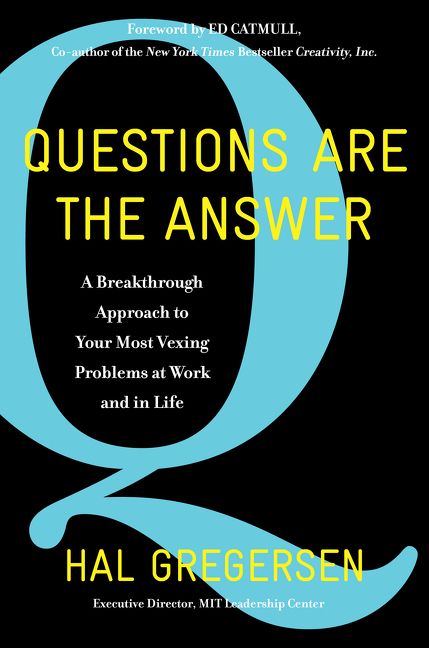
- questions-are-the-answer-a-breakthrough-approach-to-your-most-vexing-problems-at-work-and-in-life-hal-gregersen — Foreword author
- humour-seriously-why-humour-is-a-superpower-at-work-and-in-life-jennifer-aaker-and-naomi-bagdonas — Foreword author
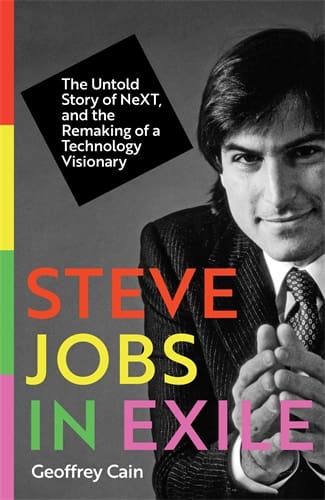
- steve-jobs-in-exile-the-untold-story-of-next-and-the-remaking-of-an-american-visionary-geoffrey-cain — Afterword author
- steve-jobs-in-exile-the-untold-story-of-next-and-the-remaking-of-an-american-visionary-geoffrey-cain — Afterword author
- collective-genius-the-art-and-practice-of-leading-innovation-linda-a-hill-greg-brandeau-emily-truelove-and-kent-lineback — Substantial case-study subject and interview participant
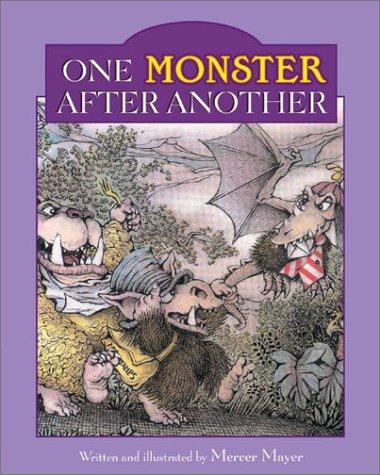
- Reading audit — One Monster After Another
- Reading audit — HBR’s 10 Must Reads on Creativity (with bonus article “How Pixar Fosters Collective Creativity” by Ed Catmull)