Founder connections
- Marc AndreessenForeword and publisher endorsement
“In this deeply-researched book, you’ll find the most honest portrait of the real Steve Jobs.”
The publisher credits Andreessen with the foreword and prints his endorsement.Source - Brian ArmstrongReadArmstrong lists this book among those he read in 2016 and says he liked it slightly more than Walter Isaacson’s biography.Source
- David SenraReread and discussedSenra’s original Founders265 notes explicitly say he reread Schlender and Tetzeli’s Becoming Steve Jobs.Source
- Ed CatmullPublisher endorsement and interview contributionThe publisher credits Catmull among the people interviewed and prints his endorsement of the book’s account of Jobs’s growth and complexity. This is an explicit endorsement; the source does not identify Catmull’s copy or prove a complete reading.Source
Summary
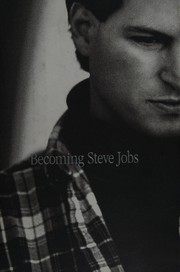
Brent Schlender and Rick Tetzeli examine how Steve Jobs changed as a leader. Published in 2015, the biography draws on Schlender's long relationship with Jobs and interviews with family members and colleagues at Apple, Pixar, and Disney.
The authors follow Jobs through early success, exile from Apple, and the work at NeXT and Pixar that preceded his return. Their central argument is that his management style developed over time. The story pays attention to learning, communication, and relationships alongside his drive to make products.
Why read it Our view
Read this for a view of leadership as something a founder can develop. Jobs's later achievements invite you to examine what changes between an early attempt and a second chance: how you work with people, explain a direction, and use what you learn from failure.
The authors' close access gives the account useful detail, but it also makes their perspective worth examining. Treat its account of personal growth as an argument to consider. Ask which habits improved the work and which costs remained for the people around him.
Written about
- Steve JobsSubject of biographyThe authors examine Jobs’s changing approach to leadership, using interviews with him and people who worked with him.Source