Founder connections
- Brian ArmstrongBook endorsementIn his December 12, 2016 post, Armstrong marks The Outsiders in bold as one of the books he liked best that year and describes its focus on CEO capital allocation. His edition is unspecified.Source
- Charlie MungerPraise recorded at the Daily Journal meetingPreserved notes from the February 6, 2013 Daily Journal meeting record Munger praising Thorndike’s study of unusual CEOs and its value for investors.Source
- Michael DellPublisher endorsementDell recommends Thorndike’s study of eight CEOs for business leaders who want to set their own course. This is a publisher endorsement; no claim is made about when he read it or its effect on Dell.Source
- Warren BuffettRecommendation in a shareholder letterIn his 2012 shareholder letter, Buffett praises the book’s capital-allocation focus and Tom Murphy chapter, and includes it among books for the coming 2013 meeting.Source
Summary
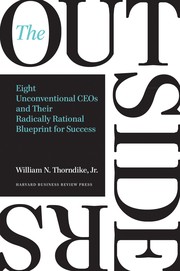
William Thorndike studies eight CEOs, including Henry Singleton, Tom Murphy and Warren Buffett, whose companies delivered strong long-term shareholder returns. He examines how they used cash: buying businesses, selling assets, repurchasing shares and waiting when prices were unattractive. The book links these choices with decentralized operations, close attention to cash flow and a focus on value per share. It presents a different picture of leadership from the highly visible executive who pursues growth for its own sake.
Why read it Our view
Read this to examine what happens to the cash your company earns. The cases help you compare reinvestment, acquisitions, asset sales and returns to owners, while keeping value per share in view. They also raise a useful question about authority: which decisions can sit with operating teams, and which need the leader’s direct attention?
Library reading guides
Explore library guides that include this book.