Jeff Bezos
Founder of Amazon and Blue Origin. Born Jeffrey Preston Jorgensen in Albuquerque in 1964 and adopted by his stepfather Miguel Bezos, he graduated summa cum laude from Princeton in 1986 and rose to become D. E. Shaw's fourth senior vice president before quitting in 1994 — applying a self-described "regret minimization framework" — to draft Amazon's business plan on the drive to Seattle. Amazon sold its first book that July, went public in May 1997, and survived the 2000 dot-com crash by reinvesting cash flow into Marketplace, AWS, and the Kindle rather than chasing quarterly profit. He stepped down as CEO in July 2021, weeks after riding his own Blue Origin rocket to the edge of space.
Contents
- 1964Born Jeffrey Preston Jorgensen on 12 January in Albuquerque, New Mexico, to 17-year-old Jacklyn Gise.
- 1968Adopted by his stepfather, Cuban immigrant Miguel "Mike" Bezos, after Mike married his mother; took the Bezos surname.
- 1986Graduated from Princeton summa cum laude with a BSE in electrical engineering and computer science, after abandoning a physics major and leading the campus chapter of Students for the Exploration and Development of Space.
- 1990Joined quantitative hedge fund D. E. Shaw & Co. in New York, rising to become its fourth senior vice president by age 30.
- 1994Quit D. E. Shaw after applying a "regret minimization framework" — imagining himself at 80 looking back — and incorporated Amazon on 5 July in Bellevue, Washington, having drafted its business plan on the drive out from New York.
- 1995Sold Amazon's first book in July out of a rented garage, opening what was then just an online bookstore.
- 1997Took Amazon public in May and, in his first shareholder letter, wrote "this is Day 1," reporting 838% revenue growth to $147.8 million on 1.5 million customers.
- 2000Watched Amazon's stock collapse in the dot-com crash — his own net worth fell from $10.1 billion in 1999 to $2.0 billion by 2001 — after telling early investors there was a 70% chance the company would fail.
- 2000Launched Amazon Marketplace on 6 November, letting third-party sellers list new and used items alongside Amazon's own inventory.
- 2000Founded the spaceflight company Blue Origin on 8 September, funded initially out of his own Amazon wealth.
- 2006Opened Amazon Web Services to the public — S3 storage in March, EC2 compute in August — turning spare data-center capacity into a cloud-computing business.
- 2007Launched the Kindle on 19 November at $399, Amazon's first hardware product and a bet against its own book-selling business.
- 2013Bought The Washington Post for $250 million in cash, his first major move outside Amazon and Blue Origin.
- 2018Amazon's market capitalization closed above $1 trillion on 4 September, the second company after Apple to reach the milestone that year.
- 2021Stepped down as Amazon's CEO on 5 July, handing the role to Andy Jassy exactly 27 years after founding the company.
- 2021Flew 66 miles above West Texas on Blue Origin's first crewed New Shepard flight on 20 July, alongside his brother Mark, 82-year-old Wally Funk (then the oldest person to reach space), and 18-year-old Oliver Daemen (the youngest).
- Protect Day 1 like it's existential. Bezos named a headquarters building "Day 1" and warned in his 2016 shareholder letter that "Day 2 is stasis. Followed by irrelevance. Followed by excruciating, painful decline. Followed by death." — build rituals that keep a growing company paranoid and fast rather than comfortable.
- Obsess over customers, not competitors. Amazon famously left an empty chair in meetings to represent the customer in the room — orient strategy around what the customer needs next, not around matching whatever rivals just shipped.
- Be willing to be misunderstood for long periods of time. Bezos ran Amazon at thin-to-negative margins for years, absorbing criticism from Wall Street, because he was optimizing for a payoff on a longer clock than anyone watching the stock price.
- Sort decisions into one-way and two-way doors. Most choices are reversible (two-way doors) and should be made fast by a small group with ~70% of the information you wish you had; reserve slow, consensus-heavy deliberation for the rare irreversible (one-way door) ones.
- Optimize for free cash flow, not the earnings headline. Bezos told investors to judge Amazon on cash flow per share rather than GAAP profit, because a business can reinvest its way to a loss on paper while still compounding real value.
- Replace the slide deck with a narrative. Amazon meetings open with a silent read of a six-page memo written in full sentences, because forcing an idea into prose exposes fuzzy thinking that bullet points let you hide.
- Use a regret-minimization framework on irreversible decisions. Deciding whether to leave D. E. Shaw in 1994, Bezos told the Academy of Achievement he projected himself to age 80 and asked which choice he'd regret more: "I knew that if I failed I wouldn't regret that, but I knew the one thing I might regret is not ever having tried." Framed that way, he called it "an incredibly easy decision."
- Keep teams small enough to feed with two pizzas. Amazon capped engineering teams at whatever two pizzas could feed. Brad Stone traces the rule to Fred Brooks's The Mythical Man-Month, widely read inside Amazon, and its argument that adding people to a late project makes it later — pushing Amazon toward the small, API-connected teams that later became the internal architecture behind AWS.
- Reinvest in the flywheel, not the quarter. After Jim Collins presented the flywheel concept from Good to Great at an Amazon management offsite, Bezos's team sketched Amazon's own version: lower prices draw customers, which draws third-party sellers, which grows selection, which lowers costs further — and funneled cash into spinning it faster instead of into near-term profit.
- We will continue to focus relentlessly on our customers.Opened the list of nine tenets in the 1997 letter's 'It's All About the Long Term' section; Bezos repeated some version of it in nearly every shareholder letter that followed.
- We will continue to make investment decisions in light of long-term market leadership considerations rather than short-term profitability considerations or short-term Wall Street reactions.The earliest explicit statement of the thin-margin strategy that drew years of Wall Street criticism before Marketplace and AWS proved it out.
- We will continue to measure our programs and the effectiveness of our investments analytically, to jettison those that do not provide acceptable returns, and to step up our investment in those that work best.A commitment to kill underperforming bets rather than protect sunk cost; Amazon wound down ventures like Auctions and zShops in the years after this letter while pouring resources into what compounded, like Marketplace.
- We will make bold rather than timid investment decisions where we see a sufficient probability of gaining market leadership advantages.The rationale later cited for high-variance bets like AWS and the Kindle, both of which competed against parts of Amazon's own existing business before becoming core revenue lines.
- When forced to choose between optimizing the appearance of our GAAP accounting and maximizing the present value of future cash flows, we'll take the cash flows.The letter's most quoted line — an explicit instruction to judge Amazon on cash flow per share rather than the earnings headline, a standard Bezos held to for the next two decades.
- We will share our strategic thought processes with you when we make bold choices (to the extent competitive pressures allow), so that you may evaluate for yourselves whether we are making rational long-term leadership investments.The stated reason Amazon's shareholder letters became unusually detailed, durable documents rather than boilerplate — later collected in full in Invent and Wander.
- We will work hard to spend wisely and maintain our lean culture.The root of Amazon's frugality culture, later visible in details like employee desks built cheaply from doors and lumber rather than purchased furniture.
- We will balance our focus on growth with emphasis on long-term profitability and capital management.A hedge against reading the growth-over-profit stance as unconditional; capital discipline is what let Amazon survive the 2000 crash on its own cash flow rather than continuous fundraising.
- We will continue to focus on hiring and retaining versatile and talented employees, and continue to weight their compensation to stock options rather than cash.Ties employee incentives directly to long-term share performance rather than salary, reinforcing the letter's broader thesis that everyone at the company should think like an owner.
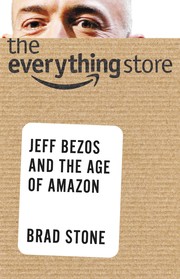
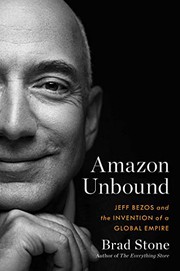
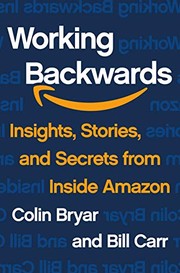
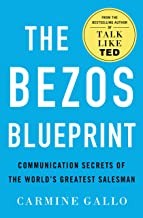
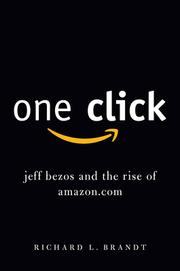
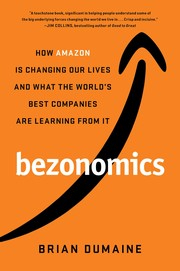
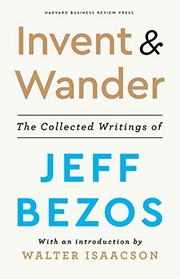
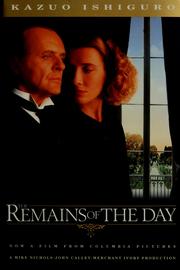
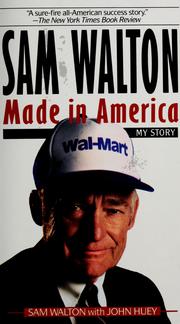
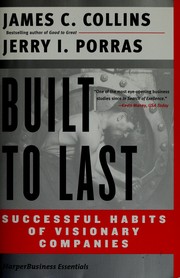
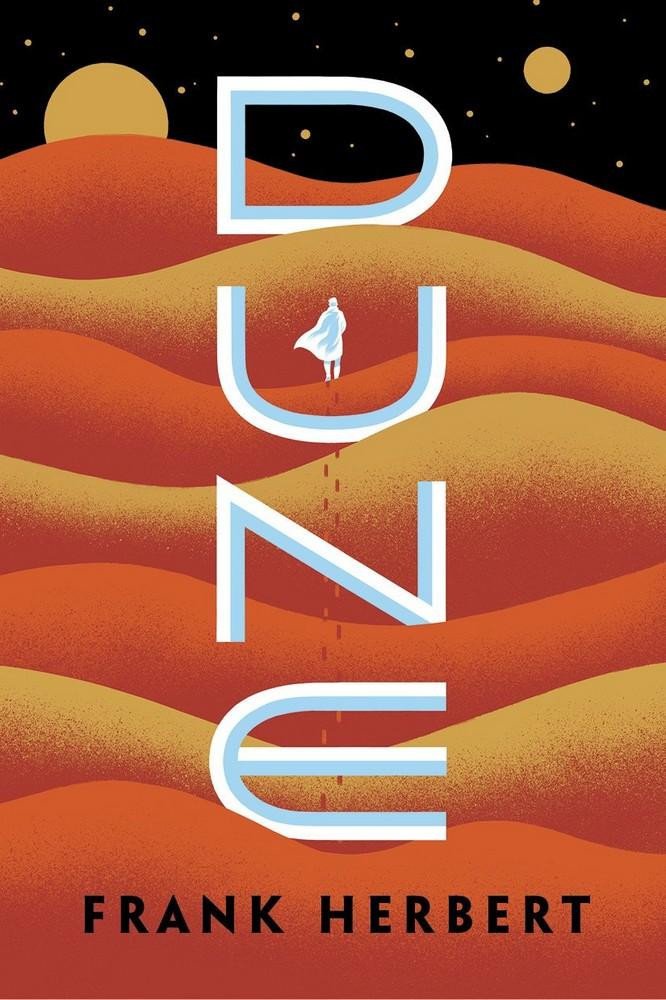

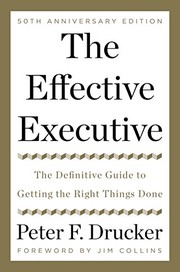
Founders who share the most book recommendations with Jeff:
Sources12
- Jeff Bezos — Wikipedia
- Amazon (company) — Wikipedia
- Amazon Web Services — Wikipedia
- Amazon Marketplace — Wikipedia
- Amazon Kindle — Wikipedia
- Blue Origin — Wikipedia
- Trillion-dollar company — Wikipedia
- Amazon's Original 1997 Letter to Shareholders — aboutamazon.com
- Jeffrey P. Bezos interview — Academy of Achievement
- Brad Stone on Bezos and Steve Grand's Creation (The Everything Store) — Goodreads
- Amazon CEO Jeff Bezos Had His Top Execs Read These Three Books — LinkedIn (Jon Fortt)
- Open Library — Internet Archive