RB
Richard Branson
Virgin Group · b. 1950
Born July 18, 1950
Richard Branson (born 18 July 1950 in Blackheath, London) is the dyslexic British school-leaver who founded Student magazine at 16, built a record label and mail-order business into the Virgin brand he applied like a franchise across music, travel, rail, telecoms and finance. He launched Virgin Atlantic in 1984 against British Airways, floated Virgin Group in 1986 and later took it private again, bought Necker Island for $180,000 in 1978, and spent decades turning a difficult-to-spell brand into a global consumer empire and a personal platform for record-breaking stunts.
Which books are linked to Richard Branson?
These are examples from the documented shelf. Each label describes the connection; a book on the shelf is not always a recommendation.
- Originals: How Non-Conformists Move the World by Adam Grant — Positive review. Source
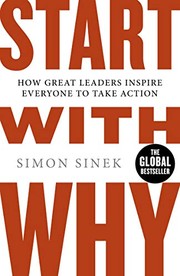
- Start With Why by Simon Sinek — Publisher endorsement. Source
- Lean In by Sheryl Sandberg — Publisher endorsement. Source
Contents
Career highlights
- 1950Born 18 July in Blackheath, London, to Ted and Eve Branson; severely dyslexic, he later said he struggled at school and left at 16.
- 1966Launches Student, a national youth-culture magazine, at 16 from a church crypt, selling advertising to fund it.
- 1970Starts a mail-order record business, Virgin, selling discounted albums by post and dodging a British retail price-fixing cartel via import.
- 1972Opens Virgin Records, the record-shop chain, and later the label that signs the Sex Pistols, Mike Oldfield, and Culture Club.
- 1978Buys Necker Island in the British Virgin Islands for roughly $180,000, later the retreat where he builds much of the Virgin lifestyle brand.
- 1984Launches Virgin Atlantic Airways after a canceled flight to Puerto Rico, persuaded by a lawyer who proposed the airline that would take on British Airways.
- 1986Floats Virgin Group on the London Stock Exchange, then buys it back private by 1988, frustrated by public-market constraints.
- 1992Sells the music business that carried the Virgin name to Thorn EMI for the cash to keep the airline and empire afloat.
- 1999Sells 49% of Virgin Atlantic to Singapore Airlines and launches Virgin Mobile, extending the brand across telecoms.
- 2006Commits to giving away the eventual profits of his transport businesses to combat global warming, formalizing his philanthropy-focused turn.
Lessons for founders
- Business is fluid, so keep the company shapeable. Branson describes business as 'a fluid, changing substance.' He floated Virgin then bought it back private rather than be captured by public-market demands, keeping the group free to move across industries.
- Build initial traction with smart, cheap publicity. From Student magazine to signing the Sex Pistols to price-warring British Airways, Branson repeatedly used attention-getting moves and self-promotion to get a young brand noticed without big ad budgets.
- Protect the downside on every big bet. When launching Virgin Atlantic he structured deals to cap personal losses, and he sold the record business to fund the airline at its most cash-hungry — a recurring pattern of keeping the whole empire solvent around the riskiest bets.
- The brand is the asset; the category is negotiable. Virgin built no single product moat but transferred the name across music, aviation, rail and finance, treating the brand and its customer trust as the portable asset everything else hangs on.
On the Founders podcast
3×Read about them
1
In their own words
5
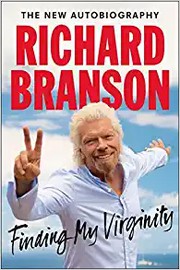
Branson recounts his later business, philanthropic and family life in this sequel to Losing My Virginity. source ↗
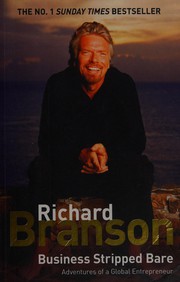
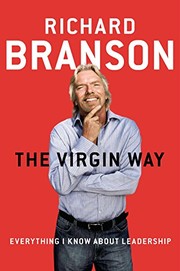
Branson wrote this 2014 account of his approach to leadership, drawing on his experiences building Virgin. source ↗
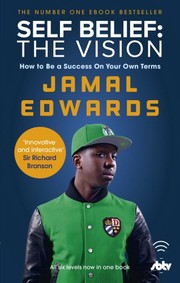
The publisher identifies Branson as one of the level-opening foreword contributors. This proves contribution, without claiming he read or recommended the book. source ↗
Books on their shelf
5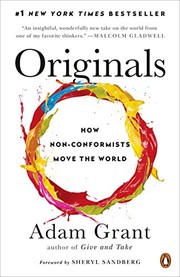
Positive reviewIn an endorsement on Grant’s site, Branson connects the book with the challenge of persuading people to see things differently and praises its value for creativity and change. source ↗
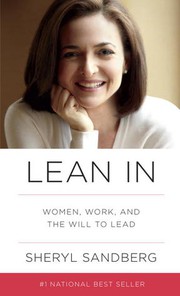
Publisher endorsement"Lean In is essential reading for anyone interested in righting the injustice of this inequality." source ↗
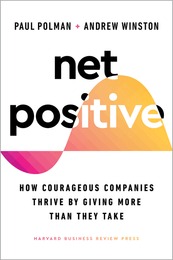
Rereading and recommendingBranson says he is rereading Net Positive with his Literati book club and praises it as a practical guide to changing business for good. source ↗
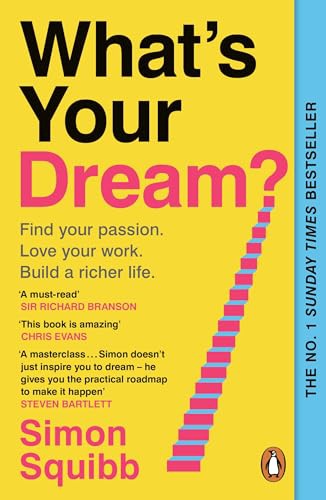
Publisher endorsementIn the publisher's sample, Branson endorses Simon Squibb's book as a must-read for people serious about becoming entrepreneurs. The endorsement is undated; the sample is from the 2026 Penguin edition. source ↗
Sources
11
- Richard Branson — Wikipedia
- Founders Podcast, Episode #47 — Losing My Virginity — Founders Podcast
- Finding My Virginity (Open Library record) — Internet Archive
- Screw It, Let's Do It (Open Library record) — Internet Archive
- Business Stripped Bare (Open Library record) — Internet Archive
- The Virgin Way (Open Library record) — Internet Archive
- Originals (Open Library record) — Internet Archive
- The Hitchhiker's Guide to the Galaxy (Open Library record) — Internet Archive
- 1984 (Open Library record) — Internet Archive
- Richard Branson — My Top 65 Books To Read In A Lifetime — Virgin
- Richard Branson, My top 65 books to read in a lifetime — archived Virgin original — Virgin / Internet Archive