PT
Peter Thiel
PayPal · Palantir · Founders Fund · b. 1967
Born October 11, 1967
Entrepreneur, investor, and contrarian. Peter Thiel (born 1967 in Frankfurt, Germany, raised in the US) co-founded PayPal in 1998, taking it public and selling it to eBay for $1.5 billion in 2002. He co-founded the data analytics company Palantir in 2003, made the first outside investment in Facebook in 2004, and co-founded Founders Fund in 2005. He founded the Thiel Fellowship in 2010, which pays young people to drop out of college and start companies, and published Zero to One in 2014, a synthesis of his contrarian view that the best startups build monopolies rather than compete.
Contents
Career highlights
- 1967Born 11 October in Frankfurt, Germany; the family moved to the United States when he was an infant.
- 1987Co-founded The Stanford Review, a conservative and libertarian campus newspaper, becoming its first editor-in-chief.
- 1989Earned a BA in philosophy from Stanford.
- 1992Earned a JD from Stanford Law School.
- 1996Founded Thiel Capital Management, returning to the Bay Area to work as a money manager.
- 1998Co-founded PayPal (originally as Confinity) with Max Levchin and Luke Nosek.
- 2002PayPal went public in February and sold to eBay for $1.5 billion in September; Thiel was CEO until the sale.
- 2003Co-founded Palantir Technologies with Alex Karp and others, becoming chairman.
- 2004Made the first outside investment in Facebook, putting $500,000 into a 10.2% stake.
- 2005Co-founded Founders Fund with Ken Howery and Luke Nosek.
- 2010Founded the Thiel Fellowship, offering $100,000 to young people under 23 to drop out of college and start companies.
- 2014Published Zero to One, with Blake Masters, arguing that the best startups build monopolies.
- 2022Left Meta's board to support pro-Trump candidates.
Lessons for founders
- Competition is for losers; build a monopoly. Thiel's central argument is that the most valuable companies are those that create something so new that they have no real competitors — a monopoly in a niche they can defend. In a great market, the market pulls the product out of the startup; in a terrible market, no amount of talent saves you.
- Start from a small niche and expand outward. The best startups begin with a small, specific market that they completely dominate, then expand over time. Thiel uses Amazon's trajectory — starting with books, then broadening — as the model. A monopoly usually starts in a small niche before taking over the mainstream.
- Secrets are the raw material of great companies. Only a few things are important but remain counterintuitive and unclaimed. Founders should look for secrets — important truths that few people believe — and build companies around them. The most unique ideas are those that are still considered bad ideas by most people.
- Own your distribution and your technology. Thiel argues that a company should strive to own a proprietary technology and its own distribution. The most defensible businesses combine a technology that is hard to replicate with a distribution channel that reaches the market directly.
- Optimism is a founder's advantage. Thiel distinguishes definite optimism — the belief that the future can be built — from indefinite optimism. He argues that the most ambitious companies are founded by definite optimists who believe they can shape the future rather than merely react to it.
- Ask what valuable company is nobody building. The best way to find a startup idea is to ask what a valuable company that nobody is building would look like. This question forces you to look past what exists and think about what is missing.
- Improve your own capacity, not just your position. Thiel's 'personal improvement' stance is that the ability to learn and change yourself is more durable than any position or advantage you currently hold. Compounding your own capabilities is the most reliable long-term strategy.
Read about them3
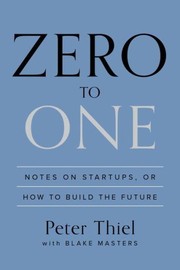
Thiel's synthesis of his contrarian startup philosophy, based on a course he taught at Stanford with Blake Masters. The central argument: the best companies build monopolies by creating something new, starting from a small niche and expanding outward. source ↗
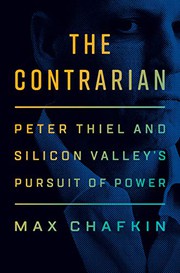
A biography of Thiel and the PayPal Mafia's pursuit of power, built on extensive reporting and interviews. The most complete account of Thiel's life and worldview. source ↗
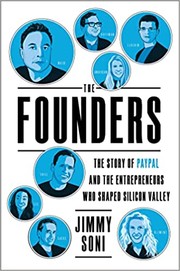
A history of PayPal and the group of entrepreneurs — Thiel, Musk, Levchin, Hoffman, and others — who grew out of it to shape Silicon Valley. Thiel is a central figure. source ↗
In their own words1
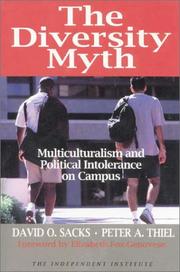
His own 1995 book (Independent Institute); book-by-founder. source ↗
What they recommend20
Discussed on Conversations with Tyler"The devil shows up in Stalinist Russia, and gives everybody what they want, and everything goes haywire." source ↗
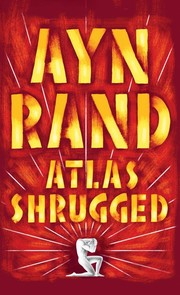
Named in an interview as a foundational influence"When I first read them in the late 80s, it still felt pretty crazy, and then the last decade, it's it's in many ways felt much more correct." source ↗
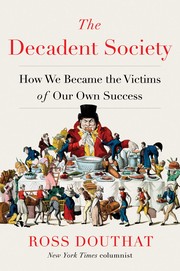
Reviewed by Thiel in First Things"Choosing agency over boomer complacency, The Decadent Society sets the stakes for the most urgent public debate of the 2020s: How do we get back to the future?" source ↗
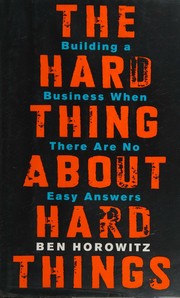
Jacket endorsement"Every management guide presumes that all great companies follow a formula. But successful startups don't imitate; they build innovations that can't be copied. Ben Horowitz knows no recipe guarantees success, and with The Hard Thing About Hard Things, he has written the first true guide for protecting a startup from self-sabotage." source ↗
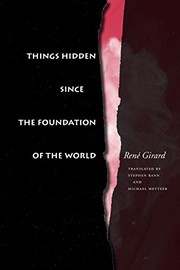
Girard's work on mimetic desire is a recurring intellectual influence on Thiel; reading discussed in Tim Ferriss's Tools of Titanssource lost
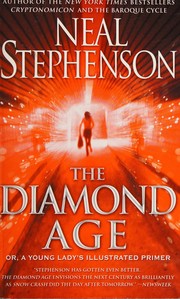
Recommended in Thiel's Reddit AMA source ↗
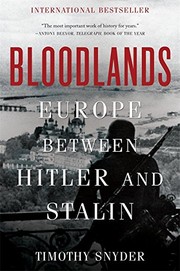
Recommended in a Wall Street Journal interview source ↗
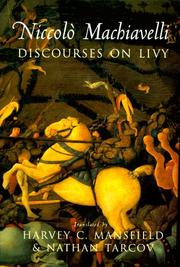
Something in these pages planted itself deep into Thiel's mind when he first read it long agosource lost
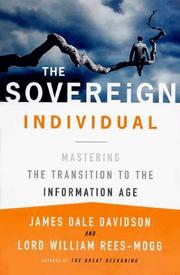
"This book breaks the taboo on prophecy: We're not supposed to talk about a future that doesn't include the powerful states that rule over us today. Rees-Mogg and Davidson argue that national governments could soon become as antiquated as 19th-century empires." source ↗
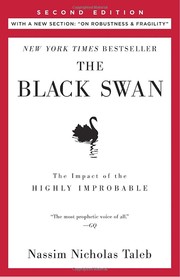
"The weirdest idea anyone ever had about the future is that we should expect it to look like the past — but that's what the reigning science of statistics assumes. Nassim Taleb has not been fooled; he is the single best guide to understanding uncertainty." source ↗
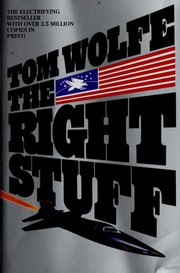
"It's both a great history of the space race and a meditation on how to steel yourself to take risks." source ↗

Named in his Reddit AMA source ↗

Named in his Reddit AMA source ↗
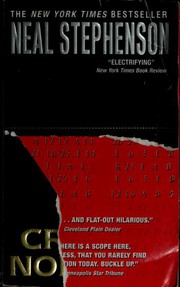
We all loved science fiction: Cryptonomicon was required reading, and we preferred the capitalist Star Wars to the communist Star Trek. (from Thiel and Blake Masters, Zero to One — the cited Farnam Street list does not cover it) source ↗
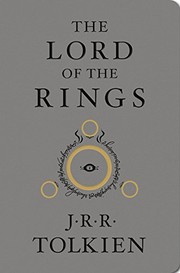
Documented in Business Insider's 2012 report on the Tolkien-derived names he chose for his companies (Lembas, Rivendell One, Valar, Mithril, Palantir) source ↗
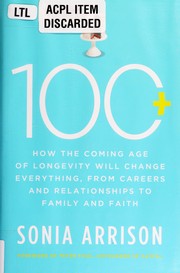
"…how scientists are directly attacking the problem of aging and death and why we should fight for life instead of accepting decay as inevitable." source ↗
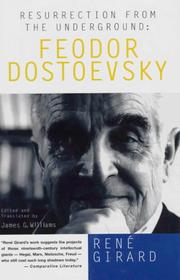
"There is no better way to think about human irrationality than to read Dostoevsky, and there is no better reader of Dostoevsky than Mr. Girard." source ↗
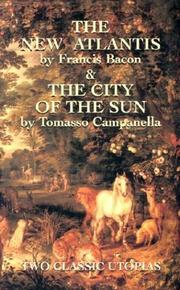
"I like the genre of past books written about the future, e.g.: Francis Bacon, The New Atlantis…" source ↗

Named in his WSJ 2012 favorites list source ↗
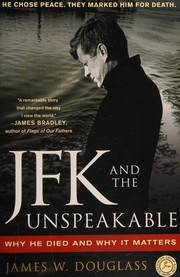
Discussed and endorsed at length on the Joe Rogan Experience #2190 (2024) source ↗
Similar taste
Founders who share the most book recommendations with Peter:
Sources11
- Peter Thiel — Wikipedia
- Peter Thiel on How to Build a Creative Monopoly (#424) — Founders Podcast
- Peter Thiel | Conversations with Tyler — Conversations with Tyler
- Back to the Future (review of The Decadent Society) — First Things
- The Hard Thing About Hard Things — Andreessen Horowitz (a16z)
- Open Library — Internet Archive
- Peter Thiel's 6 favorite books that predict the future — The Week
- Peter Thiel's Favorite Reads — Farnam Street
- Peter Thiel Is A 'Lord of the Rings' Fan He Is — Business Insider
- JFK and the Unspeakable (ISBN record) — Open Library
- The Diversity Myth (ISBN record) — Open Library