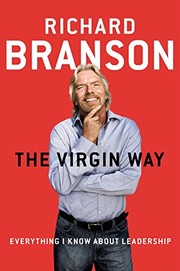
Branson's leadership book, organized as a set of principles rather than a chronology. He covers how to listen more than you talk, how to make decisions when the data is incomplete, why he keeps notebooks rather than trusting memory, how to handle the loneliness of being the final decision-maker, and the specific practices — walking around, asking questions, never eating lunch at a desk — that kept him connected to his businesses as they grew. It is the closest Branson has written to a traditional leadership manual, but told through his own stories rather than abstract frameworks.
The book's core insight is that Branson leads by staying in the details without becoming a bottleneck. His practice of carrying a notebook everywhere, recording every conversation and idea, and reviewing it before meetings seems simple but is foundational: it means nothing gets lost and everyone he talks to feels heard. His rule about never eating lunch alone is similarly small in execution and large in effect — it forced him into constant, unstructured contact with employees, customers, and partners.
For founders building teams beyond the size where they know everyone personally, Branson's approach to delegation is the practical middle ground between micromanagement and abdication. He stays informed without staying in control. He asks questions that expose problems without telling people how to solve them. The leadership lesson is that a founder's presence should feel supportive, not surveilling, and that the best way to know what is happening in a growing company is to walk around and talk to people, not to read reports. Branson's description of his own loneliness as a decision-maker — the point where the final call is yours and nobody else can help — is the most honest passage in the book, and the one every founder leading a growing company will recognize.