Founder connections
- Ed CatmullConfirmed wisdom reading in a grouped answerAfter Catmull describes finding wisdom reading from several traditions informative, Ferriss asks whether he means classics and scriptures such as the Torah and Tao Te Ching. Catmull explicitly affirms all those named examples. This is a grouped reading confirmation, not a separate recommendation or complete-reading claim. No personal translation is identified; this standalone Torah is a registry edition choice, and no reading of the whole Bible is inferred.Source
Summary
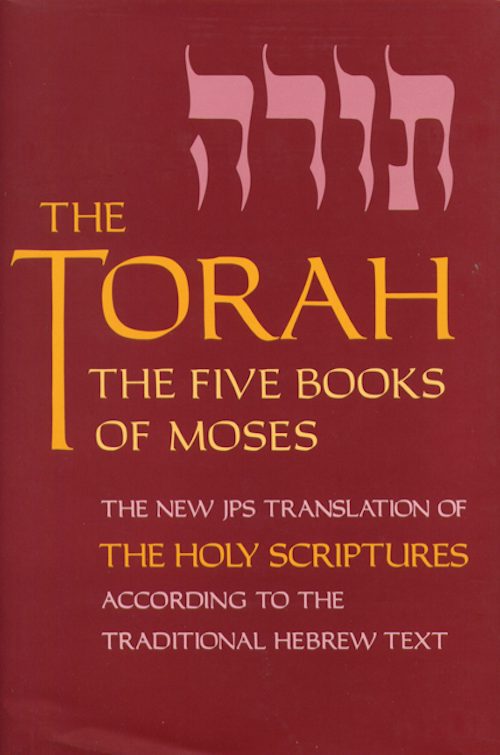
This volume contains Genesis, Exodus, Leviticus, Numbers and Deuteronomy, the first section of the Jewish Bible. The five books form a body of religious narrative and teaching that readers encounter as the Torah, rather than the whole Tanakh.
The Jewish Publication Society edition presents an English translation based on the traditional Hebrew text and informed by classical and modern sources. The selected pocket paperback contains the same English text as the publisher’s larger Torah editions.
Why read it Our view
For founders reading religious literature to examine personal values, consider how a tradition joins narrative with teaching. Read with attention to its Jewish context and compare passages carefully before drawing a personal lesson.