Founder connections
- Ed CatmullAuthor-hosted endorsement and recommendationCatmull recommends the book for leaders building creative organizations. His endorsement discusses innovation decline and support for unusual ideas. It does not prove Pixar used Bahcall's framework or identify the edition he encountered.Source
Summary
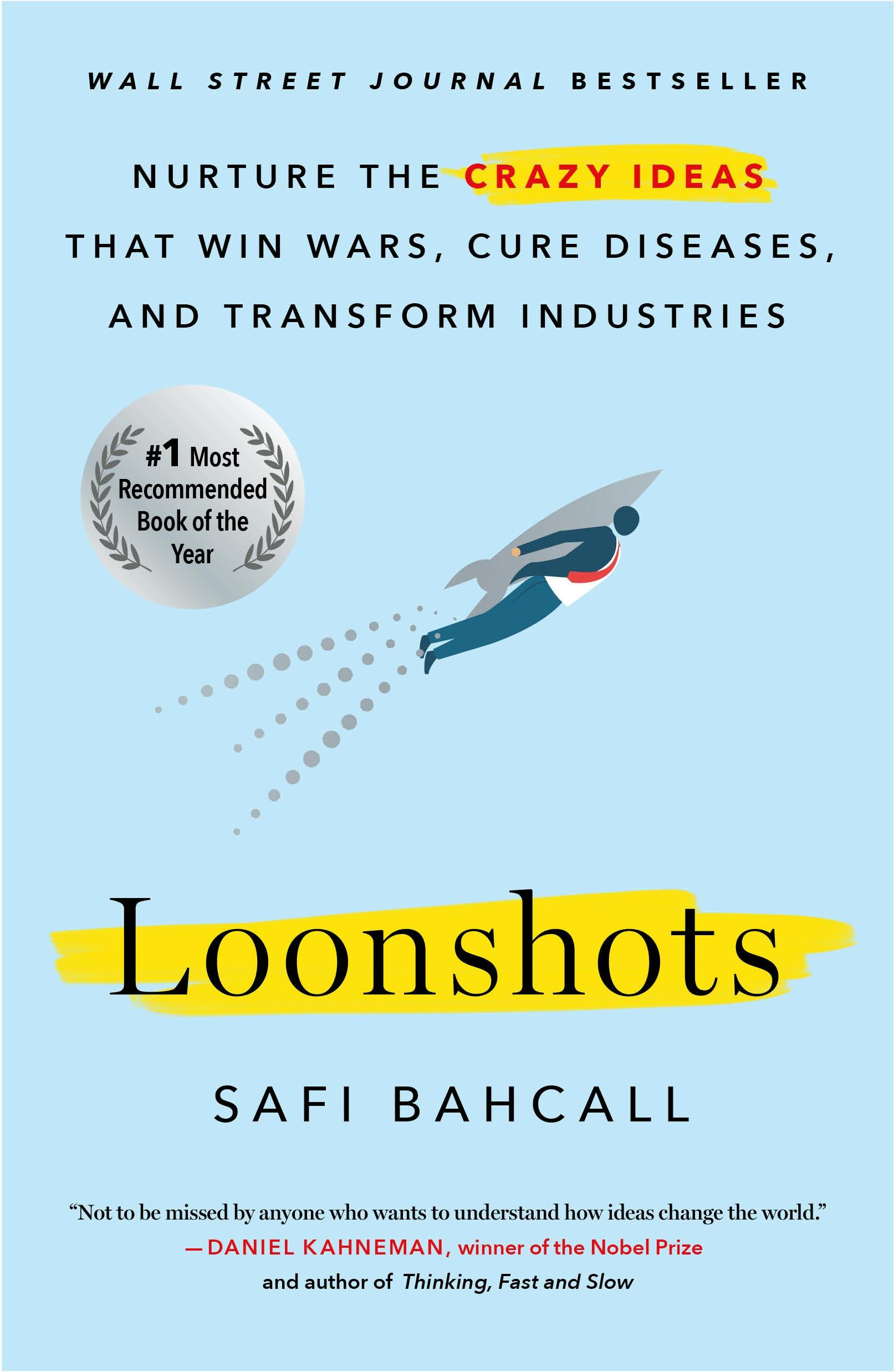
Safi Bahcall asks why groups with talented people can support an unusual idea at one point and reject it at another. Drawing on his background in physics and biotechnology, he uses the idea of phase transitions to explain changes in the behavior of teams and organizations. The argument gives particular attention to structure and incentives.
The book combines this framework with stories from science, medicine, business and history. Its examples include drug development and companies whose ability to innovate weakened, such as Pan Am and Polaroid. Bahcall examines the work needed to keep fragile early ideas alive while larger groups turn ideas into useful products. He presents practical proposals for managing that tension as organizations grow.
Why read it Our view
Examine what happens to an uncertain product idea before it can prove its value. Compare who supports it, who can stop it and what their incentives are. Treat the book's framework as a set of questions to test against your own organization.