George Lucas
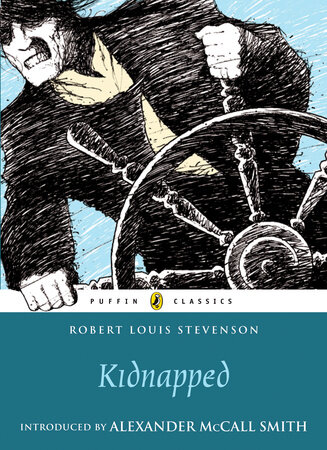
George Lucas founded Lucasfilm in 1971 to support films he wanted to make on his own terms. He grew up in Modesto, California, and studied filmmaking at the University of Southern California. His interests joined art, photography, machines and stories. Before starting Lucasfilm, he worked with Francis Ford Coppola at American Zoetrope and made his first feature, THX 1138. The company’s financial problems after that film helped push him toward an independent business. Lucasfilm’s first production was American Graffiti, released in 1973. Its story drew on the cars, music and uncertainty of the world Lucas knew as a teenager. The film gave his new company a successful start. Star Wars required a different kind of preparation: the images Lucas imagined could not be made with an existing production setup. In 1975 he founded Industrial Light & Magic and brought in specialists, including visual effects supervisor John Dykstra, to build the tools and methods the film required. He also hired sound designer Ben Burtt, whose work helped start a lasting sound business. The release of Star Wars in 1977 supported more than sequels. Lucasfilm developed licensing, publishing, sound, games and digital production tools. Its Computer Division was sold to Steve Jobs in 1986 and became Pixar. Lucas’s company thus grew through work that served the making of stories, while some of that work became useful to other filmmakers or independent businesses. In 2012 he brought Kathleen Kennedy in as president and sold Lucasfilm to Disney. Lucas’s reading gives another view of his craft. He recalls liking adventure books such as Kidnapped, Treasure Island and Huck Finn. He also credits Joseph Campbell’s The Hero with a Thousand Faces with helping him organize his ideas for Star Wars. These are specific accounts of literary taste and influence. They show a filmmaker drawing on earlier stories while building the practical means to tell new ones.
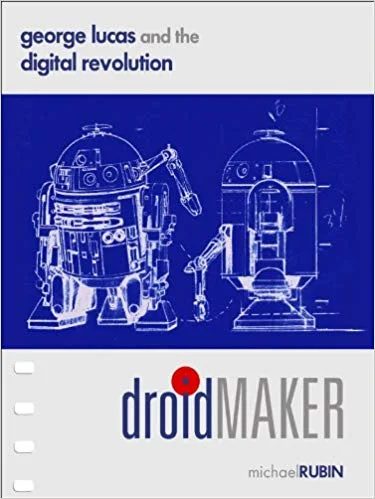
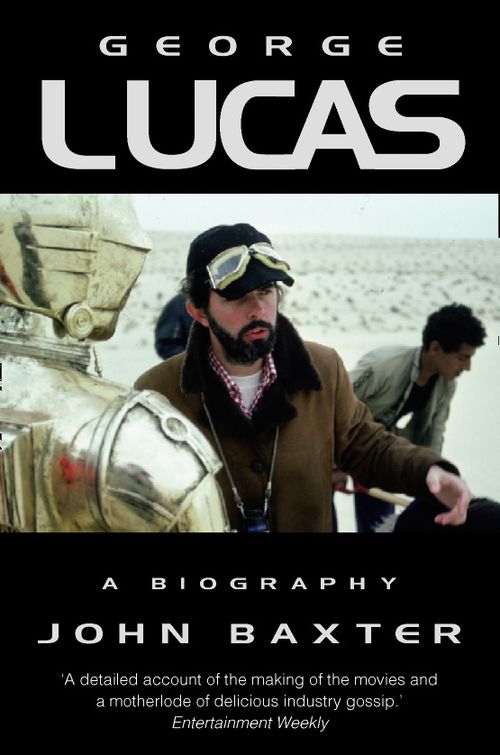
Which books are linked to George Lucas?
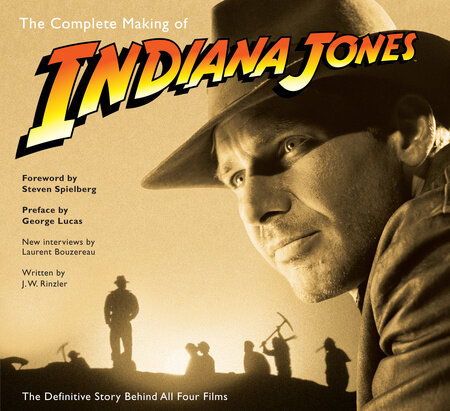
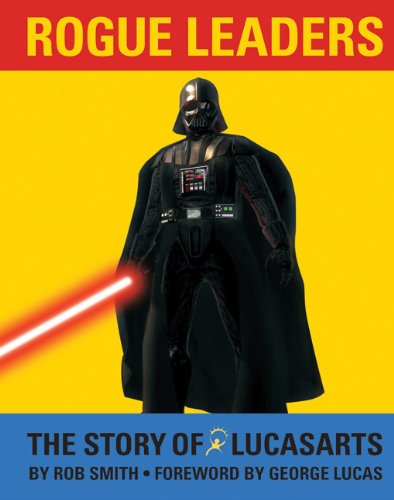
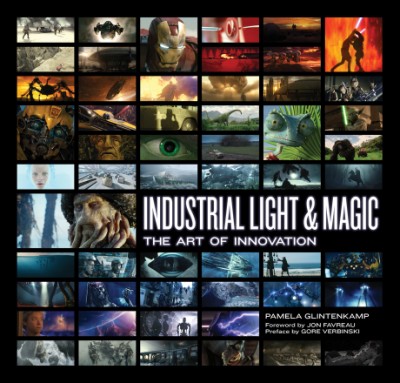
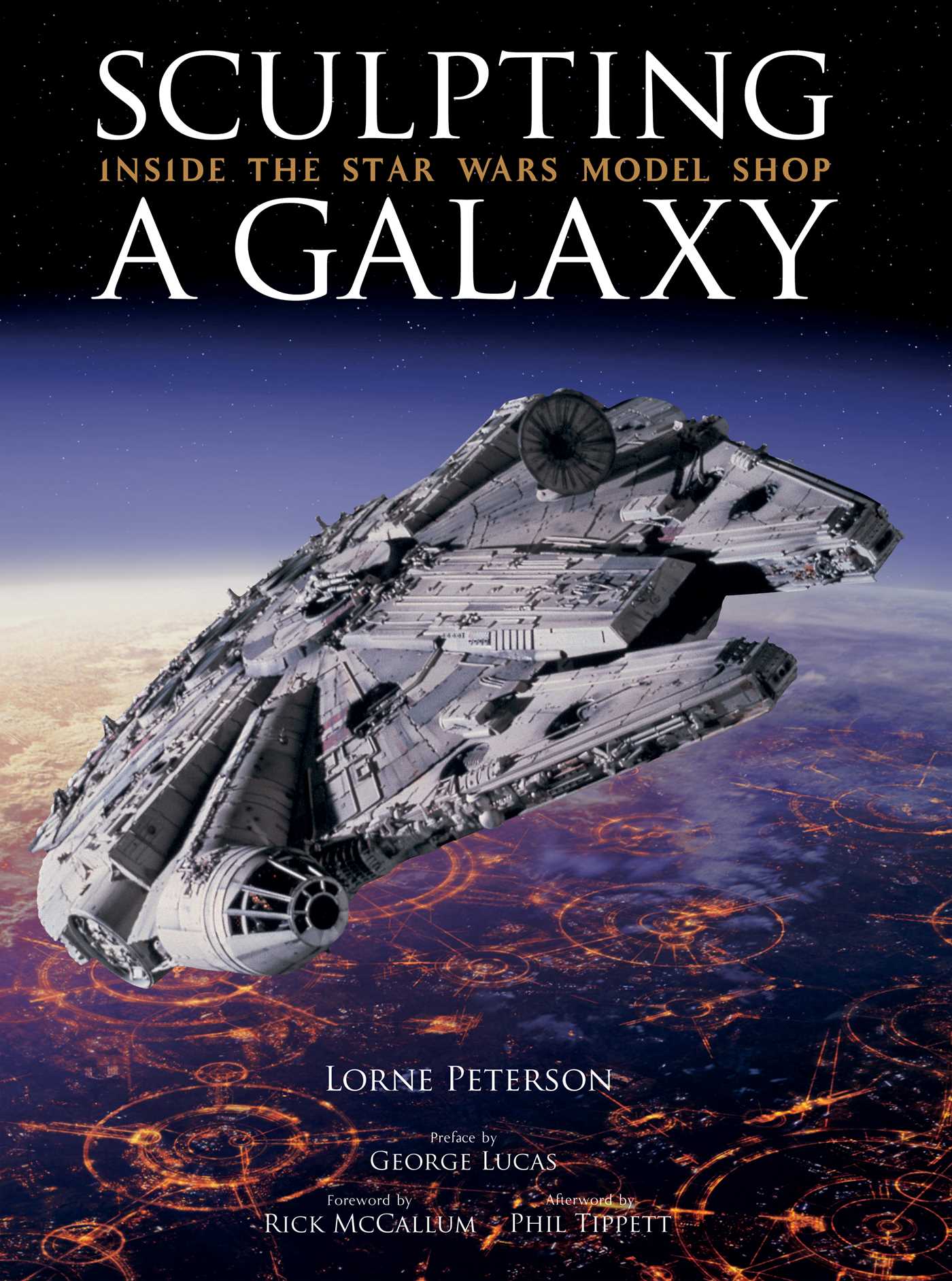
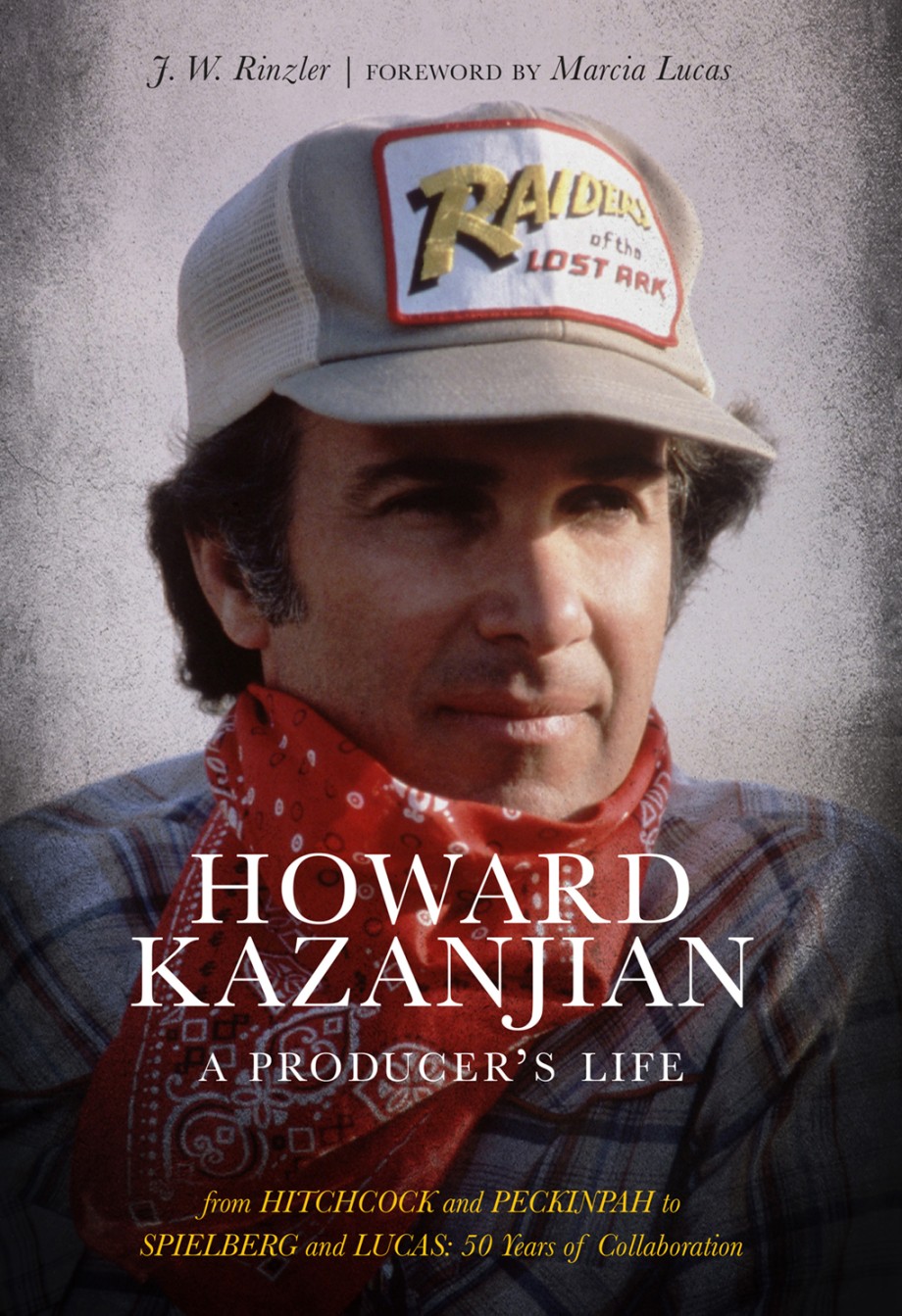
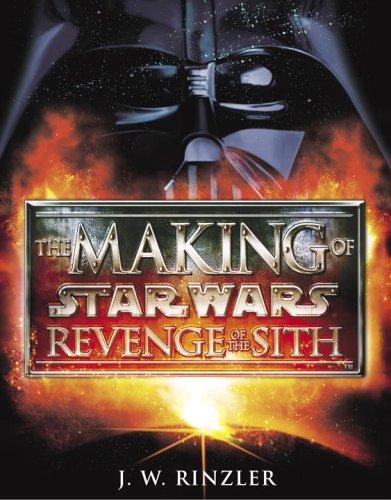
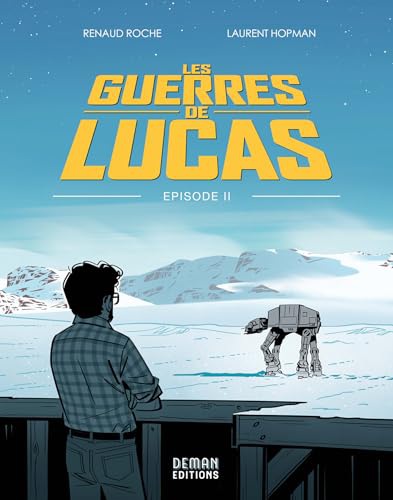
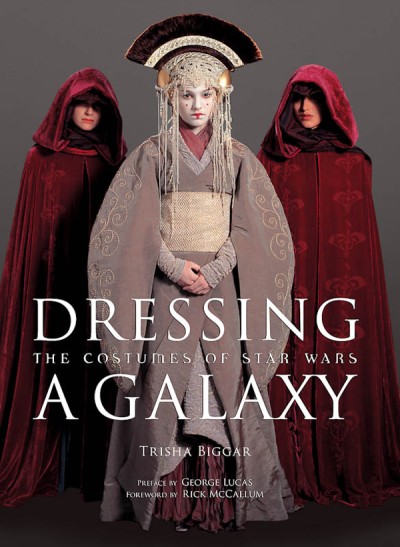
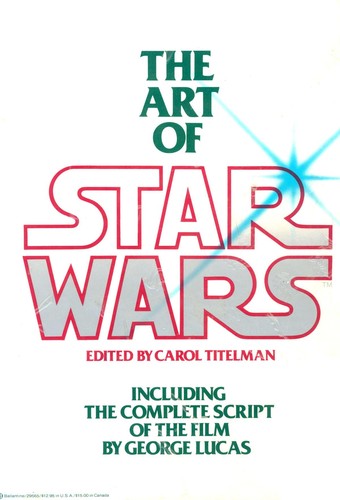
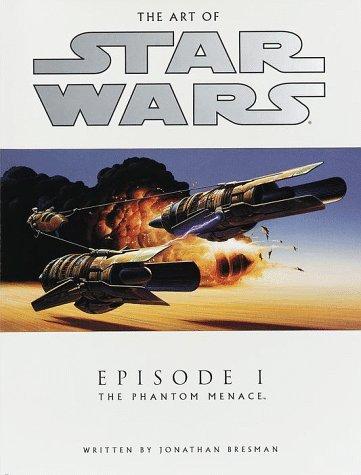
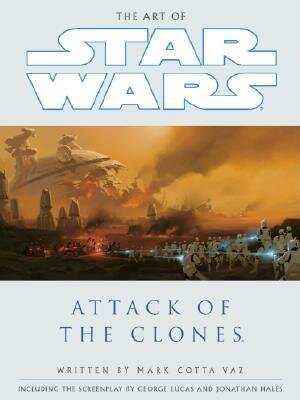
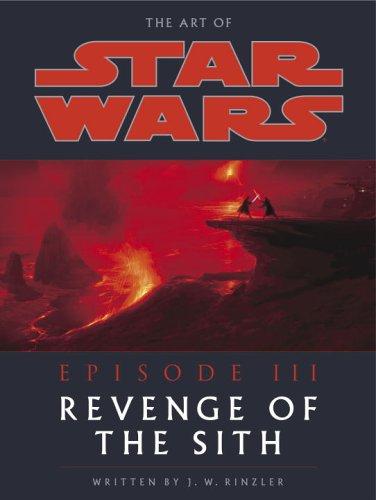
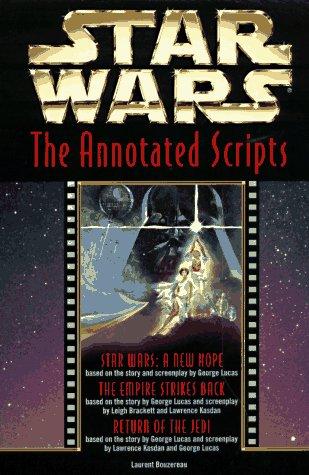
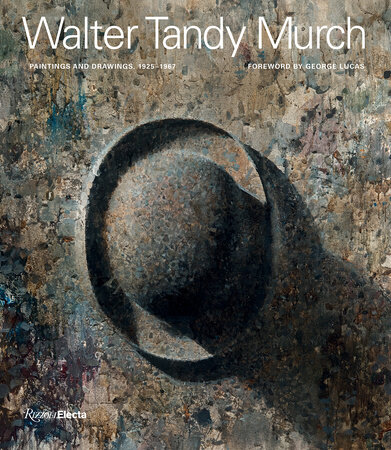
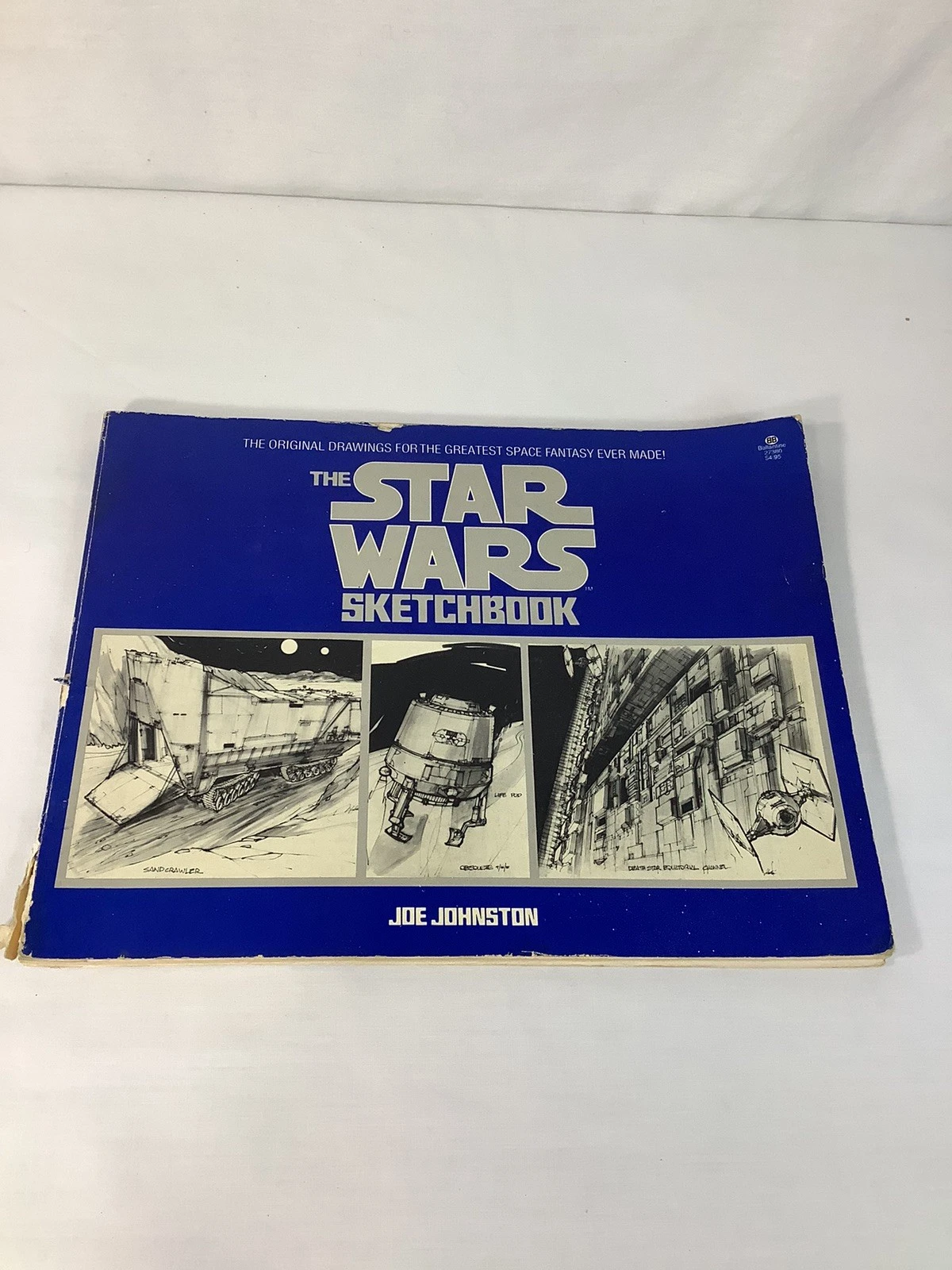
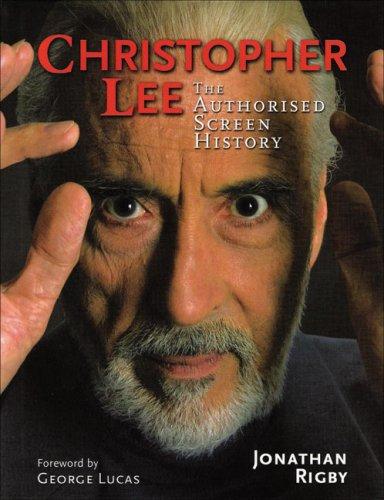
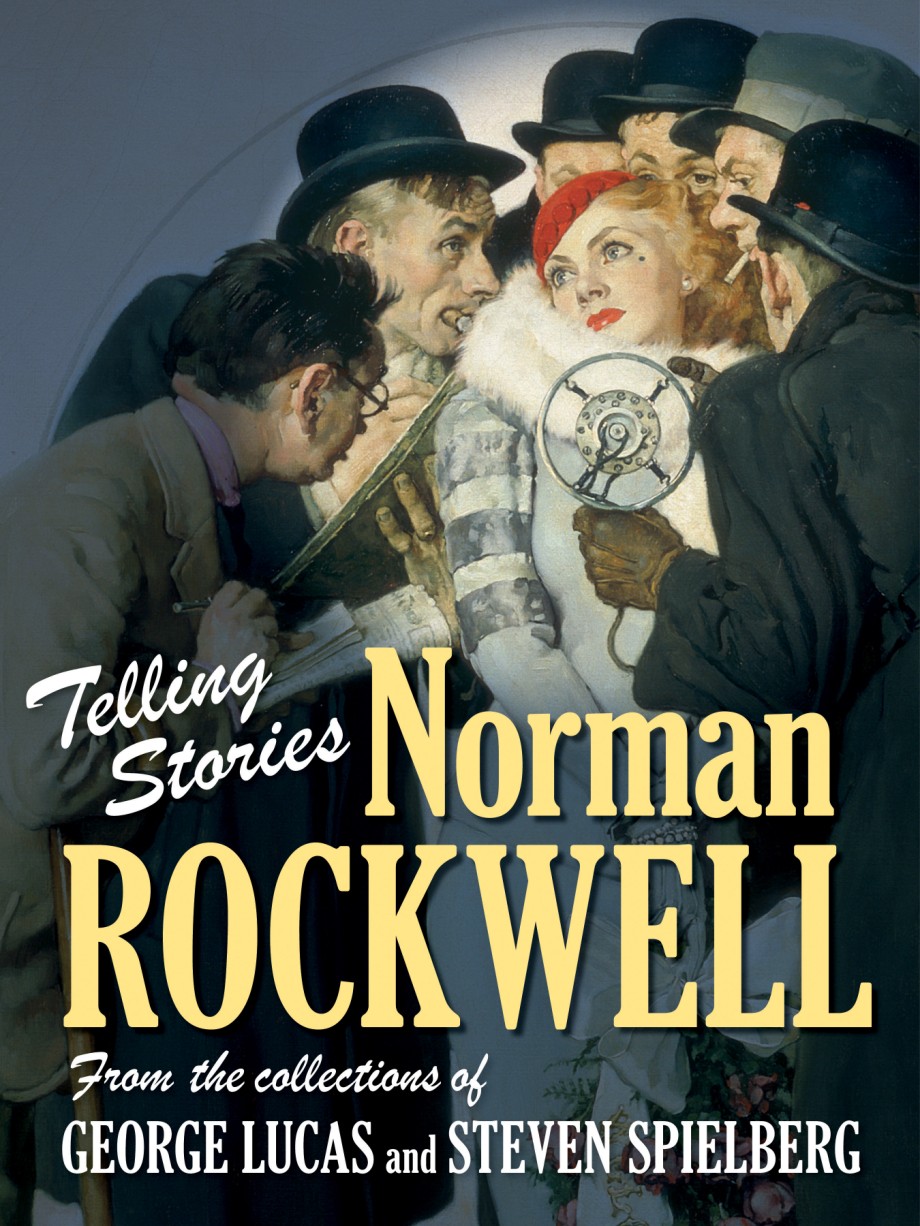
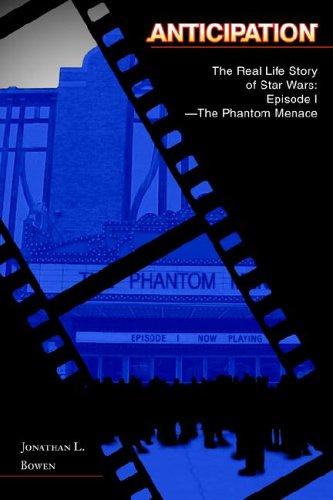
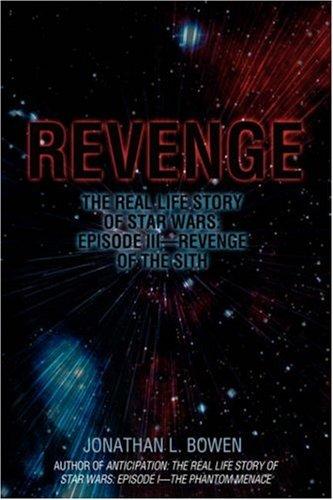
These are examples from the documented shelf. Each label describes the connection; a book on the shelf is not always a recommendation.
- The Hero with a Thousand Faces by Joseph Campbell — Documented reading influence and publisher endorsement. Source
- Kidnapped by Robert Louis Stevenson; introduction by Alexander McCall Smith — Named childhood reading interest. Source
- Treasure Island by Robert Louis Stevenson — Named childhood reading interest. Source
Contents
Career highlights
- 1971Establishes Lucasfilm after making THX 1138 at American Zoetrope.
- 1973American Graffiti is released as Lucasfilm’s first production.
- 1975Founds Industrial Light & Magic to make the visual effects for Star Wars; hires Ben Burtt for sound design.
- 1977Star Wars is released and supports Lucasfilm’s expansion.
- 1978Lucasfilm expands the Star Wars consumer-products and publishing business.
- 1982Lucasfilm Games is established.
- 1986Lucasfilm’s Computer Division is sold to Steve Jobs and becomes Pixar.
- 2012Kathleen Kennedy becomes Lucasfilm president; Lucas sells the company to Disney.
Lessons for founders
- Let the project define the tools you need. Lucas founded ILM because Star Wars required effects his team could not yet make. Identify the specific production gap before building a new technical group.
- Hire people who can turn a scene into a process. John Dykstra and the early ILM crew had to build working methods as well as images. A technical ambition needs people who can test and deliver it.
- Look for another use for a skill you have built. Lucasfilm’s effects, sound and digital work grew beyond one film. Ask whether a tool or team built for your own project can serve other customers.
- Build a business around the finished work. Star Wars expanded into licensed products and publishing. Consider how the rights and uses of a creative work fit together before treating its first release as the whole business.
- Use an outside framework to review your draft. Lucas credits Campbell’s book with helping him give his ideas a clearer structure. Try a useful framework on work already in progress, then judge whether it helps the result.
On the Founders podcast
2×Read about them
64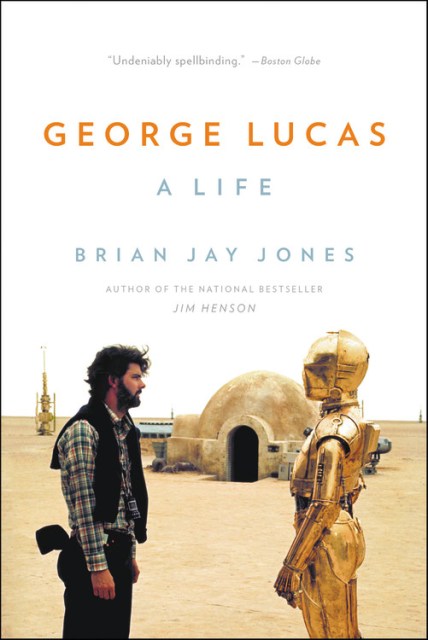












In their own words
1
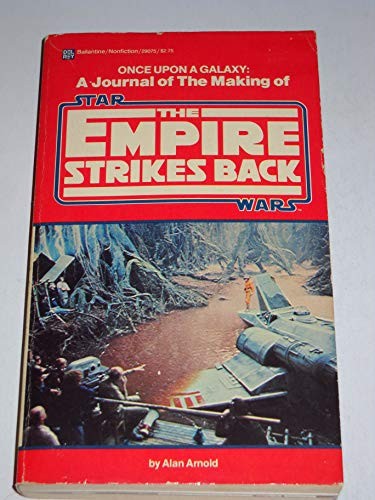
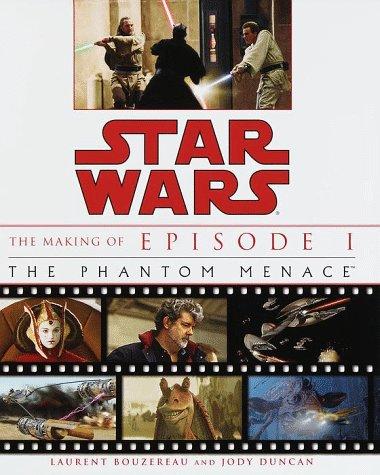
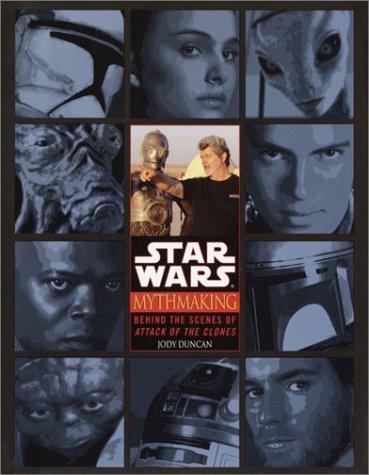
Books on their shelf
8
Sources
141
- Academy of Achievement — George Lucas biography and original interview
- Lucasfilm — Our Story
- ILM — founding anniversary, 28 May 2025
- Lucasfilm — 50 Years of American Graffiti
- Hachette — George Lucas: A Life
- Abrams — Industrial Light & Magic: 50 Years of Innovation
- ILM — original Ian Failes author interview
- Joseph Campbell Foundation — Star Wars
- New World Library — The Hero with a Thousand Faces
- Founders — episode 35
- Founders — episode 345
- Expanded book research — www.hachettebookgroup.com
- Expanded book research — www.droidmaker.com
- Expanded book research — openlibrary.org
- Expanded book research — harpercollins.co.uk
- Expanded book research — books.google.com
- Expanded book research — www.ubcpress.ca
- Expanded book research — www.lucasfilm.com
- Expanded book research — library.tcdc.or.th
- Expanded book research — ci.nii.ac.jp
- Expanded book research — academic.macmillan.com
- Expanded book research — www.taschen.com
- Expanded book research — www.taschen.com
- Expanded book research — www.penguinrandomhouse.com
- Expanded book research — www.penguinrandomhouse.com
- Expanded book research — www.penguinrandomhouse.com
- Expanded book research — search.worldcat.org
- Expanded book research — www.richlandlibrary.com
- Expanded book research — nedlandfilms.com
- Expanded book research — www.gamedeveloper.com
- Expanded book research — titanbooks.com
- Expanded book research — catalogue.bnf.fr
- Expanded book research — www.glintenkamp.com
- Expanded book research — www.finna.fi
- Expanded book research — library.tcdc.or.th
- Expanded book research — www.simonandschuster.com
- Expanded book research — www.penguinrandomhouse.biz
- Expanded book research — titanbooks.com
- Expanded book research — www.phaidon.com
- Expanded book research — www.phaidon.com
- Expanded book research — www.taschen.com
- Expanded book research — shop.lucasmuseum.org
- Expanded book research — www.abramsbooks.com
- Expanded book research — www.abramsbooks.com
- Expanded book research — abramsandchronicle.co.uk
- Expanded book research — titanbooks.com
- Expanded book research — ampersandinc.ca
- Expanded book research — mitpressbookstore.mit.edu
- Expanded book research — www.hachette.co.uk
- Expanded book research — www.lucasfilm.com
- Expanded book research — books.google.com
- Expanded book research — www.teneopress.com
- Expanded book research — www.whittier.edu
- Expanded book research — www.finna.fi
- Expanded book research — www.abramsbooks.com
- Expanded book research — books.google.com
- Expanded book research — www.jwrinzler.com
- Expanded book research — www.jwrinzler.com
- Expanded book research — www.starwars.com
- Expanded book research — us.macmillan.com
- Expanded book research — www.editions-deman.com
- Expanded book research — www.editions-deman.com
- Expanded book research — books.google.com
- Expanded book research — www.chris-salewicz.com
- Expanded book research — books.google.com
- Expanded book research — www.vidiocy.com
- Expanded book research — books.google.com
- Expanded book research — books.google.com
- Expanded book research — ci.nii.ac.jp
- Expanded book research — books.google.com
- Expanded book research — ci.nii.ac.jp
- Expanded book research — www.lucasfilm.com
- Expanded book research — books.google.com
- Expanded book research — openlibrary.org
- Expanded book research — legacybookspress.com
- Expanded book research — books.google.com
- Expanded book research — www.rollingstone.it
- Expanded book research — faculty.wcas.northwestern.edu
- Expanded book research — www.elemirezolla.org
- Expanded book research — www.simonandschuster.com
- Expanded book research — books.google.com
- Expanded book research — fullsail.bywatersolutions.com
- Expanded book research — books.google.com
- Expanded book research — lib.ccsdetroit.edu
- Expanded book research — books.google.com
- Expanded book research — ci.nii.ac.jp
- Expanded book research — www.oscars.org
- Expanded book research — www.loc.gov
- Expanded book research — archive.org
- Expanded book research — www.mixonline.com
- Expanded book research — www.lucasfilm.com
- Expanded book research — ci.nii.ac.jp
- Expanded book research — www.loc.gov
- Expanded book research — archive.org
- Expanded book research — archive.org
- Expanded book research — libguides.bgsu.edu
- Expanded book research — www.loc.gov
- Expanded book research — archive.org
- Expanded book research — www.fxguide.com
- Expanded book research — archive.org
- Expanded book research — www.jwrinzler.com
- Expanded book research — books.google.com
- Expanded book research — archive.org
- Expanded book research — www.loc.gov
- Expanded book research — www.parkablogs.com
- Expanded book research — www.starwars.com
- Book proof recovery — theasc.com
- Book proof recovery — fanac.org
- Book proof recovery — www.nebraskapress.unl.edu
- Book proof recovery — web.archive.org
- Book proof recovery — theforce.net
- Book proof recovery — www.tolkienestate.com
- Book proof recovery — www.teenink.com
- Book proof recovery — www.afi.com
- Book proof recovery — www.hachettebookgroup.com
- Book proof recovery — www.rizzoliusa.com
- Book proof recovery — hyperallergic.com
- Book proof recovery — www.waltertandymurch.com
- Book proof recovery — www.lucasfilm.com
- Book proof recovery — books.google.com
- Book proof recovery — books.google.com
- Book proof recovery — www.starwars.com
- Book proof recovery — www.starwars.com
- Book proof recovery — www.abramsbooks.com
- Book proof recovery — www.abramsbooks.com
- Book proof recovery — www.theforce.net
- Book proof recovery — s3.amazonaws.com
- Book proof recovery — books.google.com
- Book proof recovery — www.abramsbooks.com
- Book proof recovery — kitbashed.com
- Book proof recovery — nyplorg-data-archives.s3.amazonaws.com
- Book proof recovery — www.russcochran.com
- Book proof recovery — www.penguinrandomhouse.com
- Book proof recovery — books.google.com
- Book proof recovery — www.theforce.net
- Book proof recovery — americanart.si.edu
- Book proof recovery — assetbucketpublic.7169.prh.com
- Book proof recovery — titan-comics.com
- Book proof recovery — www.penguinrandomhouseretail.com
- Book proof recovery — books.google.com
- Book proof recovery — starwarsprequelappreciationsociety.wordpress.com