Demis Hassabis
Demis Hassabis co-founded DeepMind in London in 2010 with Shane Legg and Mustafa Suleyman. His route into AI crossed several fields: chess, computer games, computer science and neuroscience. He helped make Theme Park, studied computer science at Cambridge, founded the games company Elixir Studios and later completed a doctorate in cognitive neuroscience at UCL. These were different ways to study how people learn, plan and imagine. DeepMind used games as a test setting for learning systems. A game has rules and a way to measure progress, which made it possible to compare changes. In his Game Changer interview, Hassabis describes the early AlphaGo group testing whether a neural network could predict a strong player’s next move. After an encouraging result, the project added specialists and worked toward successive milestones. The account shows how a broad research aim became a sequence of smaller technical questions. Google acquired DeepMind in 2014. AlphaGo’s 4–1 match victory over Lee Sedol in March 2016 made the research widely visible. The purpose extended beyond games: AlphaFold2’s 2020 protein-structure prediction work helped demonstrate another use of learning systems. Hassabis and John Jumper shared half of the 2024 Nobel Prize in Chemistry for that work; David Baker received the other half for computational protein design. In 2023 DeepMind and Google Brain were brought together as Google DeepMind, led by Hassabis. His company-building story joins a long research horizon with short, measurable experiments. It also raises questions about who funds the work, how teams scale and how responsibility changes when a research result becomes a technology used outside the lab.
Which books are linked to Demis Hassabis?
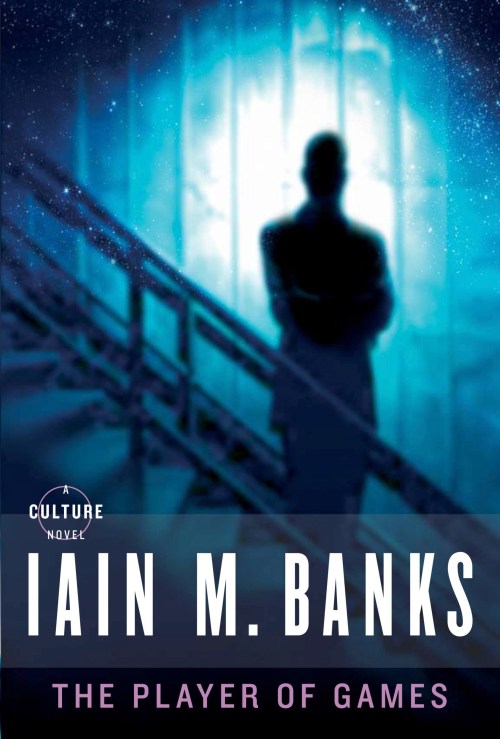
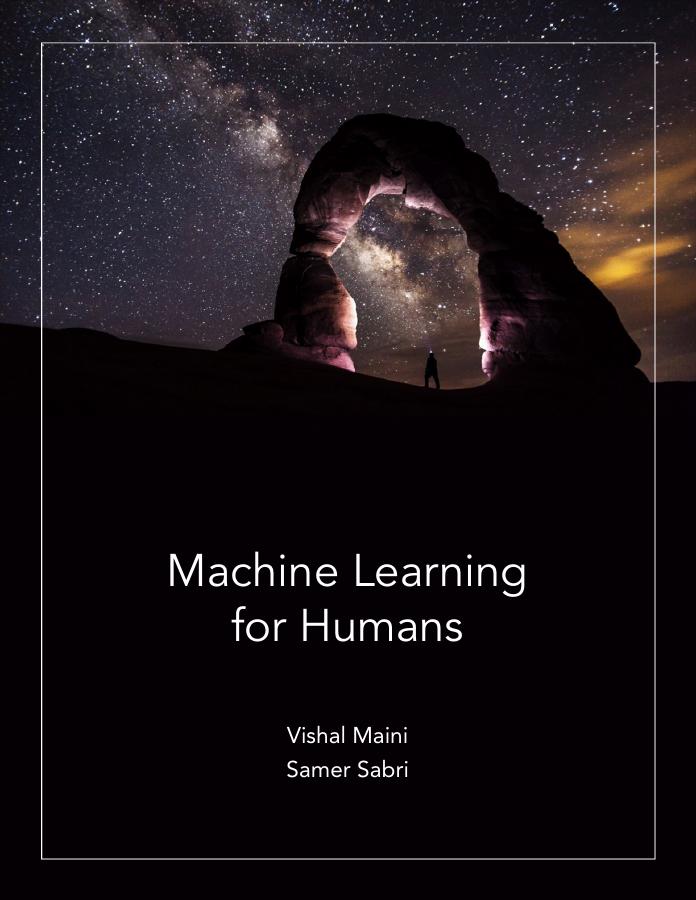
These are examples from the documented shelf. Each label describes the connection; a book on the shelf is not always a recommendation.
- The Lord of the Rings by J.R.R. Tolkien — Desert Island Discs book choice. Source
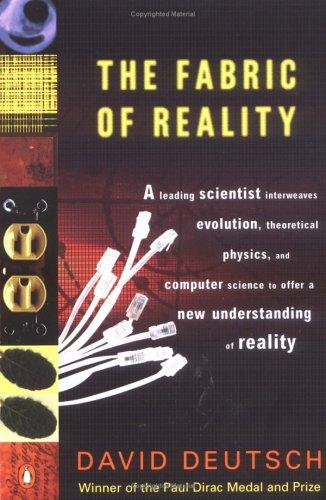
- The Fabric of Reality by David Deutsch — Recommended on The Ezra Klein Show. Source
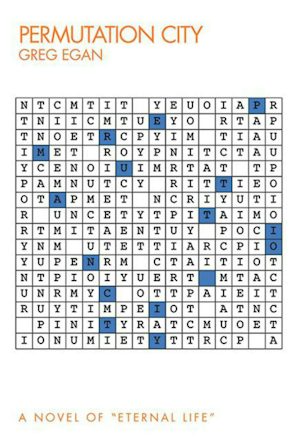
- Permutation City by Greg Egan — Recommended on The Ezra Klein Show. Source
Contents
Career highlights
- 2010Co-founds DeepMind with Shane Legg and Mustafa Suleyman.
- 2014Google acquires DeepMind.
- 2016DeepMind’s AlphaGo defeats Lee Sedol 4–1 in their March match.
- 2020Hassabis and John Jumper’s team presents AlphaFold2 for protein-structure prediction.
- 2023DeepMind and Google Brain combine as Google DeepMind, led by Hassabis.
- 2024Shares the Nobel Prize in Chemistry with John Jumper and David Baker; Hassabis and Jumper are recognized for protein-structure prediction.
Lessons for founders
- Give a broad research goal a small first test. The early AlphaGo group first asked whether a neural network could predict a strong player’s next move. Choose an experiment that can show whether a larger effort has a technical basis.
- Add people when the evidence supports the next stage. Hassabis describes a small initial AlphaGo team, followed by a larger group of specialists after its first useful result. Staffing followed a change in what the project could test.
- Choose a setting where progress can be measured. Games offered clear rules, comparisons and milestones. For uncertain work, define what would count as a better result before adding complexity.
- Use work across fields to sharpen the problem. His route through games, computing and neuroscience gave him different ways to study learning and imagination. Bring in another field when it helps answer a specific technical question.
On the Founders podcast
1×Read about them
1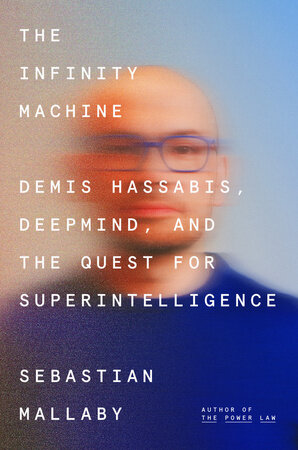
In their own words
1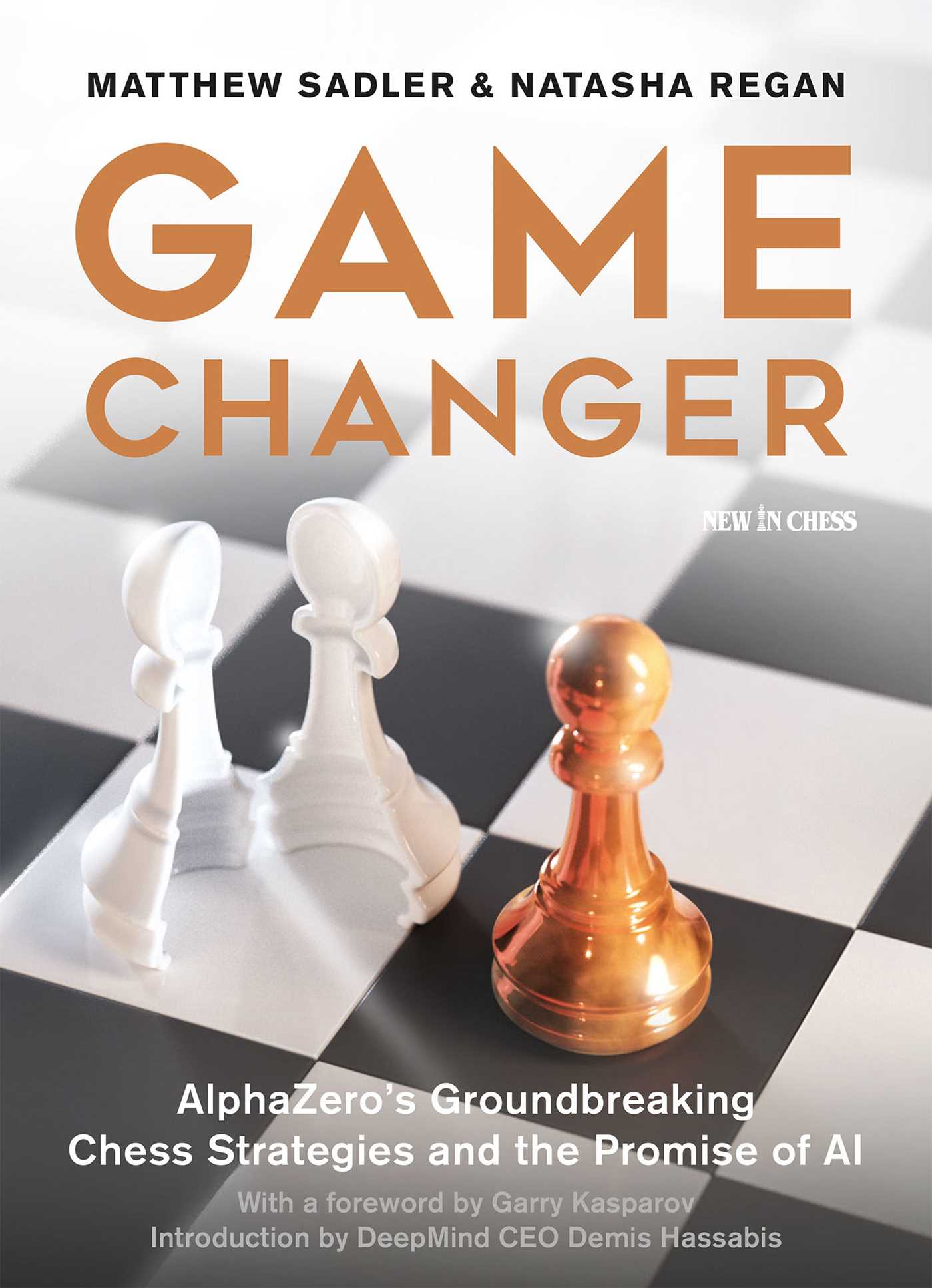
Books on their shelf
16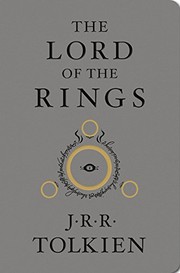
Sources
24
- Demis Hassabis — Royal Society
- Demis Hassabis — Nobel Prize facts
- The Nobel Prize in Chemistry 2024 — popular information
- Demis Hassabis — original BBC programme
- AlphaGo — Google DeepMind
- Announcing Google DeepMind
- About Google DeepMind
- Game Changer — original interview
- The Infinity Machine — Penguin Press
- Game Changer — New In Chess
- Reading audit — The Fabric of Reality
- Reading audit — The Fabric of Reality
- Reading audit — Surely You're Joking, Mr. Feynman!: Adventures of a Curious Character
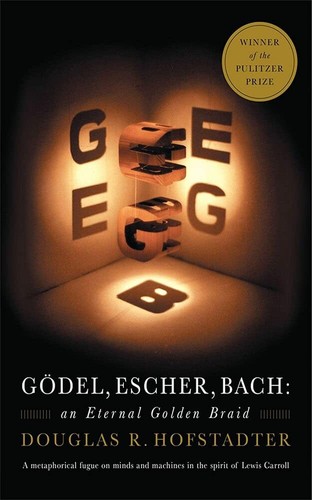
- Reading audit — Gödel, Escher, Bach: An Eternal Golden Braid
- Reading audit — Gödel, Escher, Bach: An Eternal Golden Braid
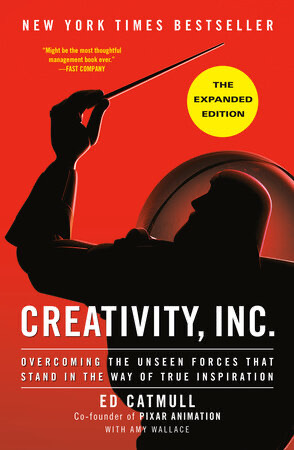
- Reading audit — Creativity, Inc. (The Expanded Edition): Overcoming the Unseen Forces That Stand in the Way of True Inspiration
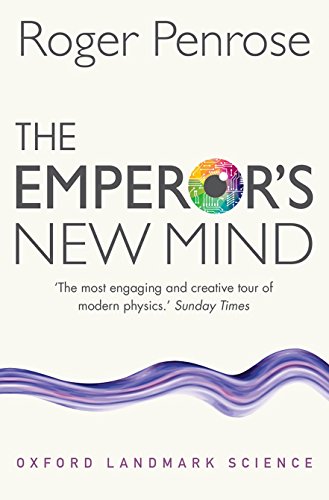
- Reading audit — The Emperor’s New Mind: Concerning Computers, Minds, and the Laws of Physics
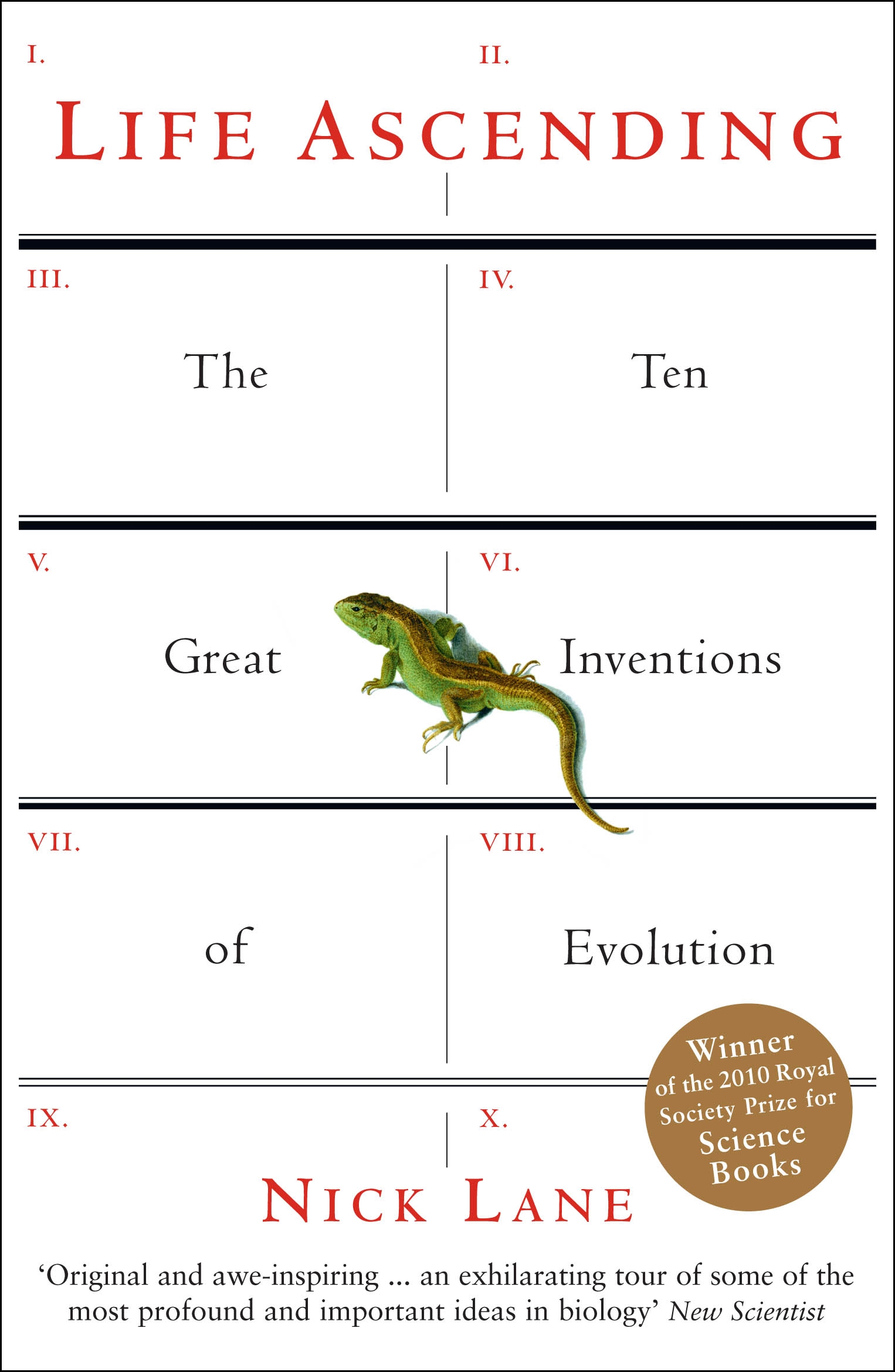
- Reading audit — Life Ascending: The Ten Great Inventions of Evolution
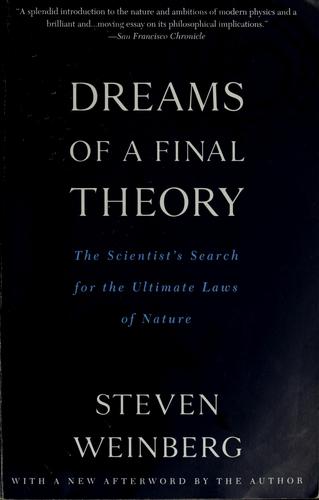
- Reading audit — Dreams of a Final Theory
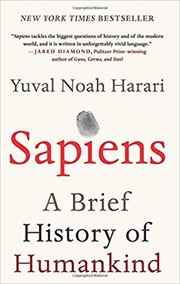
- Reading audit — Sapiens: A Brief History of Humankind
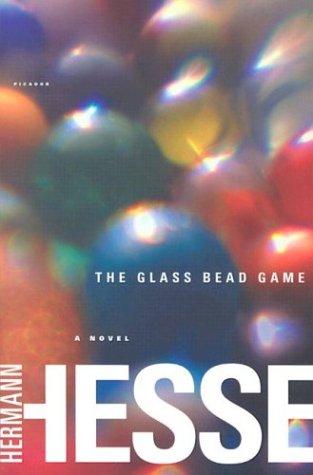
- Reading audit — The Glass Bead Game
- Demis Hassabis — Game Changer recommendation
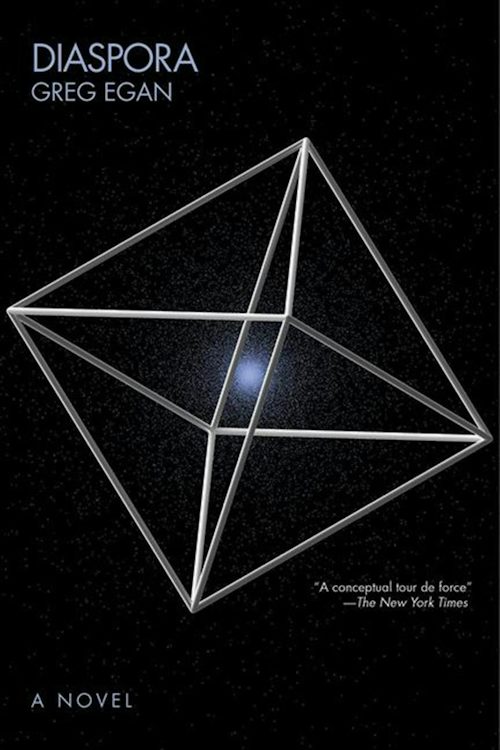
- Reading audit — Diaspora
- Reading audit — Machine Learning for Humans