Brunello Cucinelli
Brunello Cucinelli founded his cashmere business in 1978. He came from a farming family in Castel Rigone, in Umbria, and left engineering studies before starting the company. His first product idea was specific: women’s cashmere sweaters in colors that would appeal to a younger, contemporary customer, while keeping the quality and handwork associated with Italian production. In his own account of the early business, Cucinelli describes buying a small supply of yarn on credit and persuading a specialist to dye six sweaters in different colors. He also describes seeking customers who paid on time, including retailers in Germany. These were practical concerns for a new maker with little money: a clear product, skilled suppliers and cash from reliable customers. Solomeo became the setting for the company’s growth. Cucinelli moved there in 1982 and bought its ruined castle in 1985. He later reused an existing factory in the valley as production needs grew. His account links the workplace to the village around it, and describes regular staff meetings, attention to lunch breaks and pay, and limits on the working day. These are his stated practices and aims, rather than an independent audit of employment conditions. The company listed on the Milan Stock Exchange in 2012. A school for contemporary craft followed in Solomeo in 2013. Cucinelli’s 2018 autobiography, The Dream of Solomeo, explains the life experiences and ideas behind what he calls humanistic capitalism: seeking profit while respecting the dignity of the people who earn it. His record gives founders concrete questions about product focus, customer payments, the preservation of skills and the responsibilities that come with a company’s place in a community.
Which books are linked to Brunello Cucinelli?
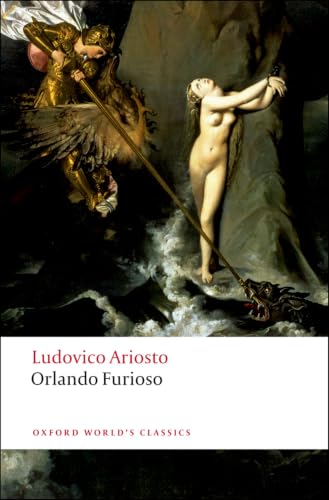
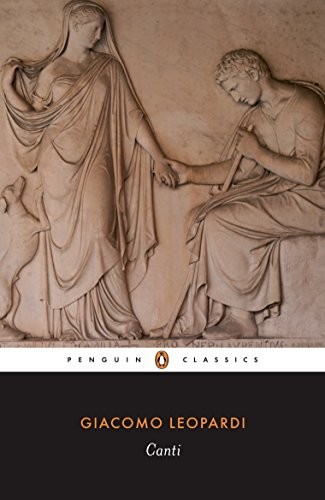
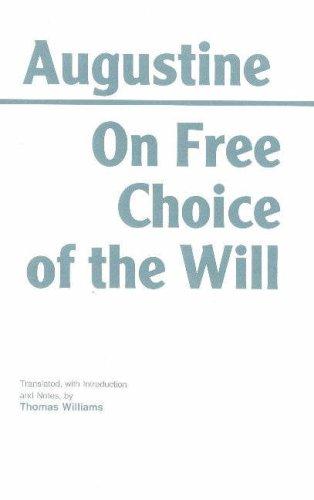
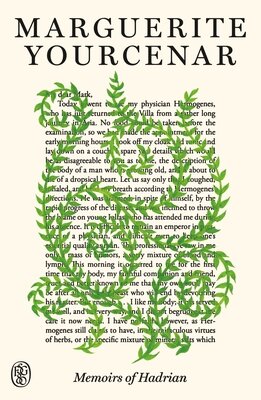
These are examples from the documented shelf. Each label describes the connection; a book on the shelf is not always a recommendation.
- Meditations by Marcus Aurelius — Named as a book that guided him. Source
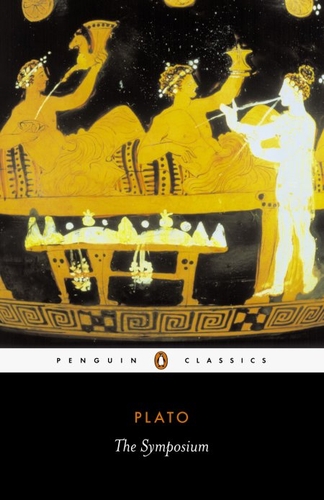
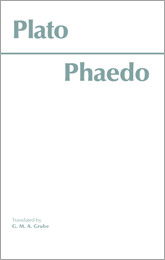
- The Symposium by Plato, translated with an introduction and notes by Christopher Gill — Named as a book that guided him. Source
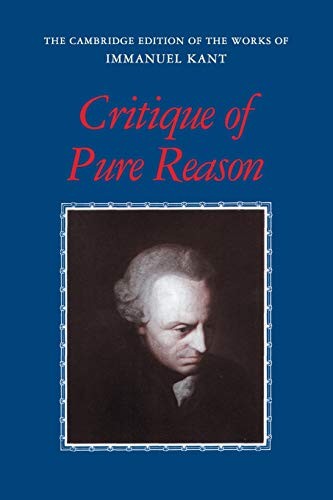
- Critique of Pure Reason by Immanuel Kant, translated and edited by Paul Guyer and Allen W. Wood — Bought and began reading; named early philosophical influence. Source
Contents
Career highlights
- 1978Starts a cashmere business with an emphasis on colored knitwear.
- 1982Moves to Solomeo after marrying Federica Benda.
- 1985Buys the ruined castle in Solomeo for the company’s headquarters.
- 2000Acquires and reuses an existing factory in the valley as production needs grow.
- 2012The company lists on the Milan Stock Exchange.
- 2013A school for advanced contemporary craftsmanship is established in Solomeo.
- 2018The Dream of Solomeo is published by Feltrinelli.
Lessons for founders
- Start with a product difference a customer can see. Cucinelli’s early idea joined cashmere quality to a new use of color in women’s knitwear. Define the change in the product before broadening the range.
- Choose customers who help the business keep moving. His account of the early years links customer choice to timely payment. Treat the timing of cash receipts as part of a sales decision.
- Make working conditions part of the business design. Cucinelli describes the workplace, hours, meals and pay as connected choices. State the conditions a business can support and check that day-to-day work meets them.
- Preserve the skills the product depends on. The craft school links the company’s future to people learning skilled work. A product promise needs a way to pass on the skills behind it.
- Give the company’s place a purpose. His use of existing buildings ties production to Solomeo. Consider the long-term use of premises and the relationship with the surrounding community.
On the Founders podcast
1×In their own words
1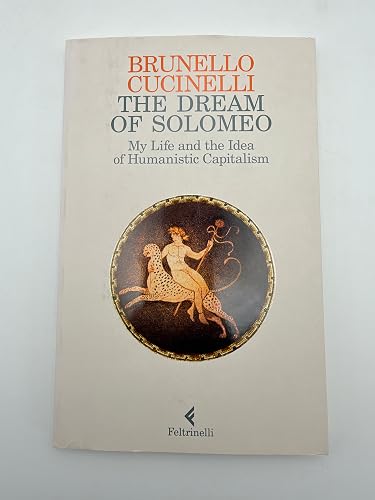
Essays
2- The origins of the companyCucinelli’s first-person account of product development, suppliers, early customers and the company’s relationship with Solomeo.
- 2021My idea of Humanistic Capitalism and Human SustainabilityHis October 31, 2021 G20 speech states his aims for profit, human dignity and responsibility. It is a statement of principles, not independent proof of outcomes.
Books on their shelf
11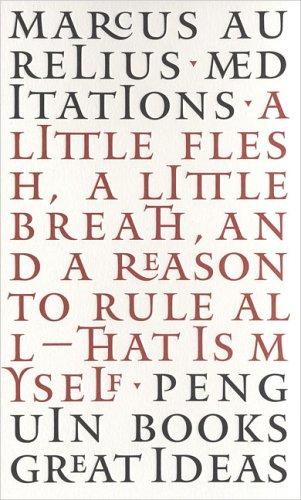
Sources
12
- Brunello Cucinelli — company board biography — Brunello Cucinelli investor relations
- The origins of the company — first-person account — Brunello Cucinelli
- The Dream of Solomeo — English bibliographic record — Google Books / Feltrinelli
- Il sogno di Solomeo — publisher description — Giangiacomo Feltrinelli Editore
- Brunello Cucinelli: I Am The Guardian And Ferryman — Luxe.CO / LUXEPLACE
- A Day In the Life of Brunello Cucinelli — Harper’s Bazaar, as told to Lauren McCarthy
- #289 Brunello Cucinelli — Founders Podcast
- Reading audit — Critique of Pure Reason
- Reading audit — Critique of Pure Reason
- Reading audit — Orlando Furioso
- Reading audit — On Free Choice of the Will
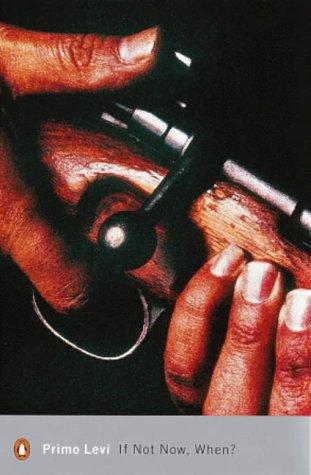
- Reading audit — If Not Now, When?