Founder connections
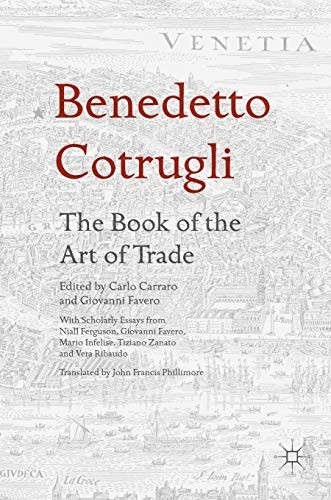
- Brunello CucinelliNamed as a recent book that fascinated himAsked which book had recently fascinated him in the May 2026 FAZ interview, Cucinelli names Cotrugli’s Book of the Art of Trade and explains his interest in its image of a humane entrepreneur. His edition is not given; the registry uses the checked 2017 English scholarly edition.Source
Summary
Benedetto Cotrugli’s fifteenth-century account of the merchant’s life joins the techniques of trade to religious, civic and household responsibilities. Its four parts address practical matters such as accounting and insurance as well as the conduct expected of a merchant.
This modern English edition draws on an early manuscript tradition rather than simply repeating the later abridged printing. Scholarly essays place the text within the history of commerce and management. The volume preserves an old argument about legitimate trade, not a current guide to commercial law or accounting rules.
Why read it Our view
For founders comparing commercial skill with personal responsibility, examine how Cotrugli treats both as parts of one merchant’s life. Consider how religious, civic and household duties shape his account of legitimate trade.