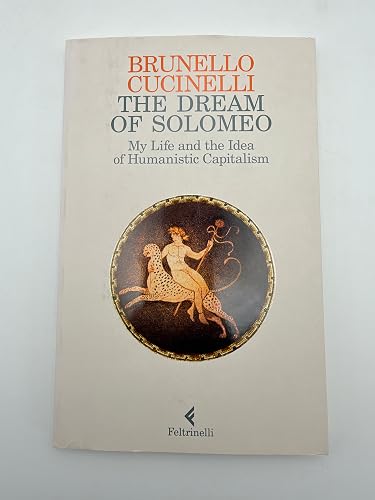
Summary
Brunello Cucinelli recounts his path from a farming family in Umbria to the cashmere business associated with Solomeo. He describes the personal experiences and philosophical ideas behind his approach to work, profit and the treatment of other people. The book connects his life story with the restoration of an old village and a view of business rooted in place.
His term humanistic capitalism joins commercial work to the moral and economic dignity of the people who do it. The account considers care for buildings and landscape, the relationship between wealth and giving, and the place of reflection in working life. It is the founder’s account of his aims and experience, rather than an independent assessment of the company’s labor practices.
Why read it Our view
For founders choosing what a company should stand for, compare Cucinelli’s account of building a cashmere business with his stated duties to workers and to the place where they work. Use the memoir to examine how a founder explains the connection between commercial purpose and working conditions; do not treat the stated ideals as audited results.
Written about
- Brunello CucinelliAutobiography authorCucinelli identifies this as his autobiography in an original interview. The registry uses the 2018 English edition, edited by Massimo De Vico Fallani and translated by Giovanni Bochi and Matteo Maraone; the original Italian publisher description supports the account of the work.Source