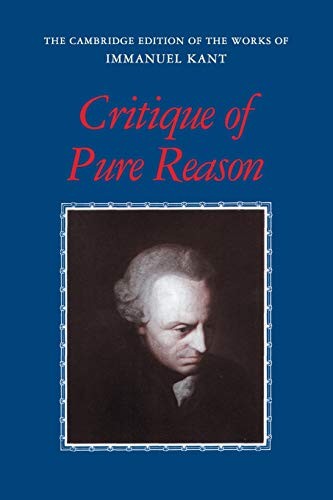
Founder connections
- Brunello CucinelliBought and began reading; named early philosophical influenceIn his own 2021 account, Cucinelli identifies Critique of Pure Reason as the work he sought out and tried to read after hearing students discuss it. No complete-reading claim or exact personal edition is made. The moral quotation that follows in his account is not treated as a verified passage from this title.Source
Summary
Immanuel Kant examines what human reason can know and where its claims exceed what experience can support. He distinguishes knowledge drawn from experience from claims made independently of it, then asks what makes knowledge possible.
The work studies space, time, concepts and judgments before turning to the difficulties reason creates when it tries to settle questions beyond experience. Its method calls reason itself to account, testing the grounds and limits of its conclusions.
Why read it Our view
For founders reflecting on judgment, examine Kant’s questions about how knowledge depends on experience and the structures of thought. Ask what a claim assumes before accepting its conclusion.