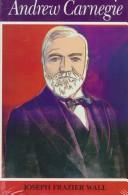
- Charlie Munger Wall’s 1970 life of Carnegie, not Carnegie’s own autobiography — the list is specific about this. It won the Bancroft Prize and runs to more than a thousand pages. source ↗
The Bancroft Prize-winning biography of the Scottish-born steel magnate who rose from bobbin boy to build Carnegie Steel, sold it to J. P. Morgan for $480 million, and spent his final decades giving nearly all of it away. Wall's 1970 account runs more than a thousand pages and remains the definitive scholarly treatment.
Munger's Almanack list specifies Wall's biography, not Carnegie's own autobiography, because it captures the full arc of a founder whose relentless cost obsession and vertical integration created an industrial monopoly. Carnegie's method maps onto Munger's circle of competence: he knew steel better than anyone and refused to drift into businesses he did not understand. The Homestead strike serves as a Munger-style cautionary tale — a lollapalooza of bad incentives, delegated authority through Henry Clay Frick, and a founder losing control of the culture he built. The lesson for founders is that Carnegie's edge was not technology but cost discipline applied with religious consistency across every operation.