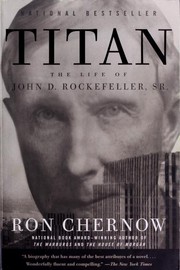
- Charlie Munger Chernow’s Rockefeller is one of the biographies on the list. Munger said nothing on record about this title in particular; what he said about the genre, at the 75th anniversary of See’s Candies, was: ‘I am a biography nut myself. And I think when you’re trying to teach the great concepts that work, it helps to tie them into the lives and personalities of the people who developed them.’ The method he recommended was making friends among the ‘eminent dead’ — which is what the biographies on his list are for. source ↗
- David Senra — Repeatedly revisited (episode #248, 2022) as a source of recurring operating maxims about speed and cost discipline. source ↗
Ron Chernow's definitive biography of John D. Rockefeller Sr., tracing his path from a poor upbringing with a con-man father to founding Standard Oil and building it into the dominant force in the American oil industry. The book covers his relentless drive for efficiency and consolidation, the ruthless tactics (railroad rebates, forcing out competitors) that made Standard Oil a monopoly and eventually triggered its antitrust breakup, and his later transformation into the era's largest philanthropist. Chernow paints a complex portrait of a man who was simultaneously austere, deeply religious, and one of the most aggressive business operators in history.
Founders covered Titan (episode #16, one of the earliest episodes) as a foundational text, and David Senra treats Rockefeller as the archetype of obsessive focus and long-term compounding. The core lesson for founders is Rockefeller's near-religious devotion to cost control and operational efficiency — he audited every cost down to the number of drops of solder needed to seal an oil can, and that discipline, applied relentlessly over decades, became the moat that let Standard Oil outlast and absorb competitors who couldn't match its margins.
A second lesson is Rockefeller's preference for consolidation over destructive competition: rather than simply trying to out-compete rivals, he bought them, partnered with them, or forced favorable terms through leverage (like railroad rebates), building what Chernow describes as more a Marxist instinct for coordination than an Adam Smith instinct for competition. Senra frames this as an early masterclass in thinking several moves ahead about market structure, not just about winning the next sale.
The third theme founders draw from the book is emotional control under extreme pressure. Rockefeller faced intense public hatred, lawsuits, and a hostile press for decades and maintained an almost eerie calm throughout, famously continuing his daily routines (golf, church) even as journalists and prosecutors attacked him. Senra repeatedly returns to this as a model for founders: build the business with total intensity, but detach your sense of self-worth from public perception so criticism doesn't derail your decision-making.