- David Senra — First covered on episode #6 (2017) and reread in full for episode #234 (2022) for Walton’s self-improvement ethic and obsession with controlling expenses. source ↗
- Jeff Bezos Walton's autobiography lays out frugality and a "bias for action" as the roots of Walmart's discount-retail edge; Bezos wove both, along with customer obsession, into Amazon's earliest values. source ↗
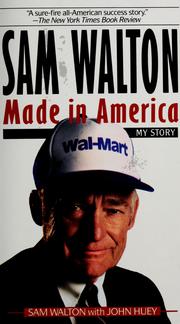
Sam Walton's own account, written with journalist John Huey shortly before his death in 1992, of how he built Walmart from a single Ben Franklin franchise in Newport, Arkansas into the largest retailer in the world. It traces his relentless store-visiting, his obsession with cutting costs, and the culture of ownership he built by giving employees profit-sharing and stock.
David Senra has returned to this book repeatedly on the Founders podcast, and his core reading of it is that Walton invented almost nothing — he copied every good idea he ever saw, usually from a competitor's store, and then executed it with more intensity and discipline than anyone else. The takeaway for founders isn't originality worship; it's that relentless execution and fanatical attention to operational detail beat cleverness. Walton's simple formula — buy low, sell cheap, every day, with a smile — is a reminder that durable businesses are often built on unglamorous fundamentals applied with total consistency.
The book is also a manual on frugality and incrementalism: Walton made one store profitable before opening the next, plowing the proceeds of the working business into the next expansion rather than raising outside money. Founders reading this should notice how much of Walton's edge came from simply visiting more stores, asking more questions, and studying more competitors than anyone else in retail history — a game-tape mentality Senra emphasizes across the whole podcast.
Jeff Bezos has said he pulled two direct lessons from this book that he applied at Amazon's founding: frugality as a permanent operating principle, not just a startup-phase necessity, and a bias toward action over analysis. For founders, the book functions as a case study in how discipline, personal example, and decades of compounding small operational improvements can out-build companies with far more capital or technology.