Walt Disney
Walter Elias Disney was born 5 December 1901 in Chicago, the fourth of five children. A Marceline farm childhood and a Kansas City paper route gave way to a forged birth year that got the 16-year-old into the Red Cross Ambulance Corps in France. His Laugh-O-Gram studio went bankrupt in 1923; he reached Hollywood with $40 and founded Disney Brothers Studio with Roy that October. After Charles Mintz took Oswald the Lucky Rabbit and most of his animators in 1928, Disney created Mickey Mouse, bet the studio on Snow White (1937), financed Disneyland (1955) with a 1954 ABC deal, and secretly bought Florida land through shell corporations before dying of lung cancer in 1966 with EPCOT unbuilt.
Contents
- 1901Born 5 December at 1249 Tripp Avenue in the Hermosa neighborhood of Chicago, the fourth of five children of Elias and Flora Disney.
- 1906Family moved to a farm outside Marceline, Missouri, where Walt began drawing the neighbors' animals — years he later called the most formative of his life.
- 1911Family moved to Kansas City after Elias bought a Kansas City Star and Times paper route; Walt and Roy woke at 4:30 every morning to deliver the Times before school and the Star after it, and kept the round up for more than six years.
- 1918Back in Chicago and 16 years old, forged his birth year to pass for 17 and joined the Red Cross Ambulance Corps, shipping to France in November days after the armistice.
- 1922Founded Laugh-O-Gram Films in Kansas City to produce short animated fairy tales, with Ub Iwerks among the small staff.
- 1923Laugh-O-Gram went bankrupt in July; Disney left for Hollywood with $40 and an unfinished reel, and on 16 October founded Disney Brothers Studio with Roy.
- 1927Created Oswald the Lucky Rabbit for Universal through distributor Charles Mintz, Disney's first major cartoon character.
- 1928Lost the rights to Oswald and most of his animation staff when Mintz secretly signed them in February; on the train home Disney conceived Mickey Mouse, whose third short Steamboat Willie used synchronized sound to become the first post-produced sound cartoon.
- 1932Filmed the Silly Symphony Flowers and Trees in the new full-color three-strip Technicolor and negotiated the sole right to use the process until 31 August 1935; the short won the inaugural Academy Award for Short Subject (Cartoon).
- 1937Snow White and the Seven Dwarfs, budgeted at roughly $1.5 million against an original $250,000 and dismissed in the trade press as 'Disney's Folly,' premiered 21 December and became the highest-grossing sound film to date.
- 1941Opened the new Burbank studio built on Snow White's profits; its rigid hierarchy, which limited the restaurant, gymnasium, and steam room to head writers and animators, helped spark an animators' strike that ran from 29 May to 21 September and ended with Disney signing a contract with the Screen Cartoonists Guild.
- 1950Cinderella's box-office success — an estimated $7 million on release — pulled the studio out of the $4.5 million of debt it carried after the war years spent on government training and propaganda films.
- 1954Signed a deal giving ABC a 34.5% stake in Disneyland for a $500,000 investment and loan guarantees up to $4.5 million, in exchange for a weekly television series that premiered 27 October.
- 1955Disneyland opened in Anaheim, California, on 17 July, broadcast live on ABC to a national audience.
- 1964Mary Poppins premiered 27 August at Grauman's Chinese Theatre and became Disney's highest-grossing film to date.
- 1965Having secretly bought roughly 27,000 acres of Central Florida since April 1964 through shell corporations, Disney publicly confirmed the project in November after an Orlando Sentinel reporter exposed the buying spree.
- 1966Died of circulatory collapse from lung cancer on 15 December, six weeks after diagnosis, leaving his EPCOT city concept — unveiled on film weeks earlier — unbuilt.
- Never let anyone else own your characters. In February 1928 distributor Charles Mintz secretly signed most of Disney's own animators and took Oswald the Lucky Rabbit, the studio's main asset, when Disney refused a budget cut. He rebuilt around Mickey Mouse and from then on insisted on owning every character his studio made outright.
- Reinvest the hit into the next hard thing, not into safety. Snow White's 1937 profits went straight into Pinocchio, Fantasia, and Bambi rather than being banked, expanding the studio's technical ambition each time instead of coasting on the previous success.
- Use one medium to finance the one you actually want. The 1954 deal gave ABC a 34.5% stake in Disneyland plus profits from park concessions in exchange for $500,000 and loan guarantees up to $4.5 million, funding an unproven amusement park that banks wouldn't lend against; the Disneyland TV series premiered that October and the park opened the following July.
- Fund the technology your competitors think is unnecessary. Disney paid for synchronized sound on Steamboat Willie (1928), a costly exclusive on three-strip Technicolor that locked rivals out until August 1935, and his own multiplane camera, first used on The Old Mill (1937) — R&D rivals considered wasteful that became his studio's moat.
- Bet the whole company when you believe in the work. Snow White's budget ran to roughly $1.5 million against an original $250,000, and the trade press mocked it as 'Disney's Folly' during production; he financed the overrun personally and it opened in December 1937 as the highest-grossing sound film to date.
- Build a flywheel, not a single product. Film characters sold merchandise and drove the ABC television deals, the park sold the characters back to families in person, and park and merchandise revenue funded the next film — each business fed the next instead of standing alone.
- Keep 'plussing' — a finished product is never actually finished. Disney coined 'plussing' for his habit of walking Disneyland after its 1955 opening and ordering paint, landscaping, or whole attractions redone that no guest had complained about, on the belief that a park has to keep improving to hold its audience.
- Assemble what you need quietly before the market prices you out. Starting in April 1964 Disney bought roughly 27,000 acres of Central Florida through more than 50 shell corporations, keeping the buyer's identity secret until an Orlando Sentinel reporter exposed it in October 1965 — by then the land was his at rural, pre-speculation prices.
- A company built around one irreplaceable vision needs a successor for the vision, not just the balance sheet. Disney left no clear creative heir when he died in December 1966; animation staff fell from roughly 500 to 125 through the 1970s and the company lost $27 million in 1982 alone, a slide the studio didn't reverse until new leadership arrived in 1984.
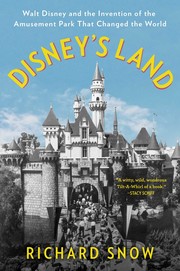
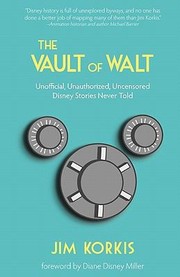
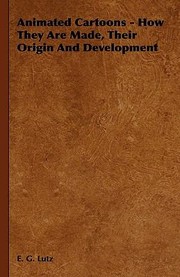
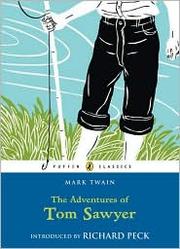
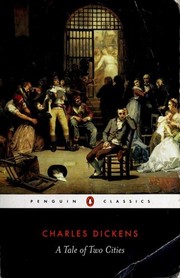
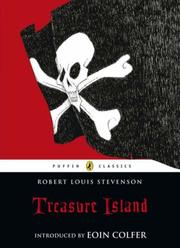
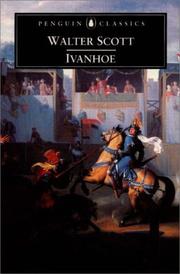


Founders who share the most book recommendations with Walt:
Sources12
- Walt Disney — Wikipedia
- 10 Losing Oswald the Lucky Rabbit — The Walt Disney Family Museum
- Snow White And The Seven Dwarfs Was Walt Disney's Biggest Box Office Gamble — SlashFilm
- Disney animators' strike — Wikipedia
- Disney Was in Distress During the Late 1940s. Then 'Cinderella' Came to the Rescue — Smithsonian Magazine
- ABC and Disneyland 1955 — MousePlanet
- Walt Disney World — Wikipedia
- The Walt Disney Company — Wikipedia
- Books That Influenced Disney — MousePlanet (Jim Korkis)
- Pinocchio (1940 film) — Wikipedia
- Snow White and the Seven Dwarfs (1937 film) — Wikipedia
- Open Library — Internet Archive