Summary
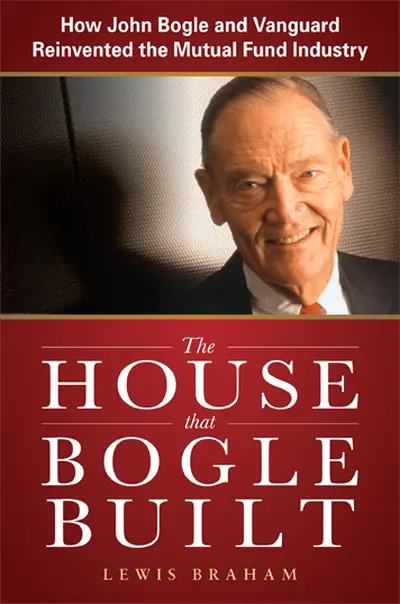
Braham examines John Bogle and Vanguard’s development, working style and leadership succession. A licensed chapter excerpt follows the first index fund’s launch: gaining board approval, finding an underwriter, handling weak demand and solving computing and trading-cost limits. The wider biography also considers Bogle’s relationship with successor Jack Brennan.
Why read it Our view
Study how a new product moves from board approval to market demand and daily delivery. The launch case includes constraints in funding, computing and transaction costs. It lets founders compare a product’s promise with the operating work needed to deliver that promise at a viable cost.
Written about
- John BogleBiography and company-history subjectBraham studies Bogle’s leadership and Vanguard, including succession to Jack Brennan. The inspected source is the indexed original publisher overview; direct fetch timed out.Source