Founder connections
- Michael OvitzNamed praise and discussionOvitz names and praises the book while discussing Abby Rockefeller and MoMA. Full reading and any use at CAA are not established. Its fit is the book's account of building a market and an institution around unfamiliar art; that is an editorial comparison.Source
Summary
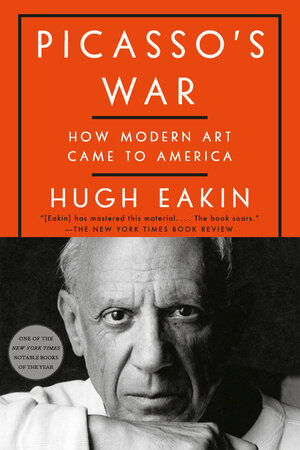
Hugh Eakin follows the people who helped bring Picasso's work to an American public that often distrusted modern art. Collector John Quinn sought important works and imagined a museum that would give them a lasting home. Alfred H. Barr Jr., the young director of the Museum of Modern Art, later pursued a related ambition.
Their efforts involved artists, dealers, patrons, public resistance and the growing danger in Europe. Barr's difficult relationship with dealer Paul Rosenberg becomes part of the effort to bring major paintings across the Atlantic. The account leads to the 1939 exhibition Picasso: Forty Years of His Art, examining how collecting, advocacy and a museum could change the audience for unfamiliar work.
Why read it Our view
Read this as a case of building an audience and an institution around unfamiliar creative work. Examine the roles of patrons, dealers, public access and promotion. Its relevance to an agent's work is an editorial comparison, not proof of a method used at CAA.