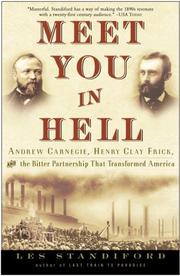
Summary
Les Standiford traces the partnership between Andrew Carnegie and Henry Clay Frick as they built their steel interests and then became bitter rivals. The account places their relationship within the industrial growth and labor conflict of the Gilded Age, including the violent 1892 Homestead strike.
The story joins business ambition with the human cost of industrial power. Carnegie entrusted Frick with running the companies, but shared commercial goals did not produce lasting personal trust. Their disputes make delegation, authority and responsibility central to the history.
Why read it Our view
Read it to examine a partnership that worked commercially while becoming hostile personally. The cost-control discussions offer useful questions about the numbers a founder needs to know. The labor conflict also asks what responsibility remains with an owner after handing authority to a manager. Study the operating methods alongside the consequences for workers, rather than treating low costs as the whole measure of success.
Written about
- Andrew CarnegieBiography subjectStandiford examines Carnegie’s partnership with Frick and the labor conflict surrounding their steel business.Source