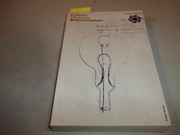
Matthew Josephson's 1959 biography, the classic and most comprehensive single-volume portrait of Thomas Edison. Written with access to the Edison Laboratory archives and family papers, it traces Edison from his hardscrabble Michigan childhood through the Menlo Park and West Orange years, covering the phonograph, the light bulb, the Pearl Street power station, the war of the currents, and the later ventures (ore milling, concrete, the motion-picture studio) that never matched his earlier success. Josephson treats Edison as the prototype of the modern industrial inventor and a figure whose life is inseparable from the rise of the American corporate economy.
This is the Edison biography that Founders podcast episode #267 is built around, and David Senra returns to it for Edison's most founder-relevant trait: his systematic approach to invention itself. Edison did not wait for flashes of genius — he built Menlo Park as a dedicated invention factory, staffed with assistants, designed for iterative experimentation, and funded by a deliberate business model. For a founder, this reframes the innovation process as an engineering problem rather than a creative mystery: set up the right environment, hire the right people, iterate rapidly, and expect to fail most of the time.
Josephson's Edison was also a founder who built the companies that commercialized his inventions — the Edison Electric Light Company, the Edison General Electric Company — and then lost control of them to J.P. Morgan's financial consolidation. The lesson Senra extracts is that an inventor-founder's skill at invention does not transfer to skill at navigating corporate finance, and that a founder should either develop a second set of skills for the organizational game or find a partner (like Edison eventually lacked) who has them.