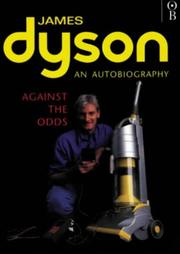
- David Senra — Senra’s most-reread biography — covered on Founders episodes #25, #200, #300, and #400. source ↗
James Dyson's first autobiography covers roughly fifteen years of struggle, from early inventions like the Ballbarrow and the Sea Truck through the long, grinding development of the cyclonic bagless vacuum cleaner. It details the thousands of prototypes he built, the manufacturers and retailers who rejected him, the patent fights he had to win, and how he eventually launched Dyson as his own manufacturer rather than licensing the technology away.
This is David Senra's single most-recommended book on Founders — he has said it's his #1 pick out of the 200+ biographies he's covered, and he's reread it multiple times. The reason is that the book is honest about the ratio of struggle to success: the large majority of it is Dyson getting rejected — by manufacturers, by retailers, by the entire British appliance industry — while he keeps rebuilding the same machine slightly differently. Senra uses it as the antidote to survivorship-bias thinking: founders reading only the highlight reel of a success story underestimate how many years of grinding rejection precede it.
The tactical lessons are just as important as the mindset ones. Dyson refused to license his invention to established vacuum makers after seeing how the industry treated bagged-vacuum competitors, and instead financed the company himself — remortgaging his house and taking on serious personal debt — so he could own the manufacturing and the upside outright. He also had to fight and win patent infringement suits to defend the invention once it started working, which Senra flags as a reminder that invention alone doesn't protect you; you also have to be willing to fight for it legally.
Founders should take from this book a recalibrated sense of timelines (measured in years and thousands of iterations, not weeks) and a bias toward keeping control of your own invention and manufacturing rather than handing it to an incumbent for a smaller, safer payout.