- David Senra Rather than recounting the histories of families like the Rothschilds, Barings, and Lehman Brothers, the episode extracts the principles they shared — personal honor, speed, clear thinking, independent judgment, and reputation as their greatest asset. source ↗
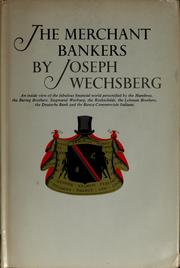
Joseph Wechsberg's 1966 study of the great European merchant banking dynasties — the Rothschilds, Barings, Hambros, Warburgs, and Lehman Brothers — and the principles that made them the most powerful financial institutions of their era. Wechsberg traces how merchants who started by physically trading goods discovered that financing transactions was more profitable, and how their real products became credit, judgment, information, advice, access, and trust. The book is less a financial history than a study in how reputation compounds.
David Senra made Founders episode #425 around this book, focusing on the principles rather than the family histories. "Merchant banking is a very distinctive form of entrepreneurship," Senra notes. "There is an old-school way of doing business that appeals to me." He extracted the shared traits of the great merchant bankers: "personal honor, speed of action, clear thinking, independent judgment, seamless webs of deserved trust, discretion, and willingness to make unconventional decisions." The key insight: "Their greatest asset was not money. Their greatest asset was their reputation." Senra's lesson for founders: the merchant bankers understood that trust is the only asset that both appreciates with use and vanishes instantly when abused.