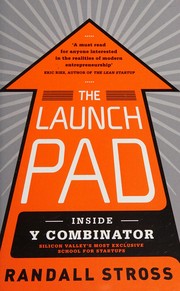
Randall Stross's 2012 narrative of a single Y Combinator batch, granted extraordinary access to the program, its founders, and Paul Graham himself. Stross embeds with the Summer 2011 class — the batch that produced Stripe, Instacart, and Docker — and follows the founders through applications, interview day, weekly dinners, Demo Day, and the frantic months after. The book captures YC's operating philosophy in practice: the emphasis on making something people want, the brutal honesty of office hours, the social dynamics of founders pushing each other, and Graham's relentless focus on growth rate as the only metric that matters.
This is the only book on Graham's shelf in which he or Y Combinator is the actual subject rather than a supporting mention. For a founder who wants to understand how YC actually works — not the mythology but the mechanics — this is the closest thing to a primary source. Stross captures Graham's operating style in detail: his insistence that founders talk to users, his formula that 'a startup equals growth,' his habit of asking founders for their weekly growth rate at every check-in, and his willingness to tell a founder their idea is bad if it is.
For a founder considering applying to YC, the book is essential preparation — it shows what the partners actually care about versus what applicants think they care about. For a founder not applying, it's still valuable as a case study in how to evaluate startups: the questions Graham asks, the signals he looks for, and the mistakes he sees repeatedly are the same ones every early-stage investor and every founder building a company should internalize. Graham's operating philosophy is directly accessible through Stross's reporting.