Founder connections
- Mark LeonardRecommended and used as a thinking modelIn his letter signed 6 April 2015, Leonard explicitly recommends Axelrod’s book and explains its use in thinking about trust and company organization. His edition is unknown; this registry’s revised 2025 paperback is not presented as the edition he recommended.Source
Summary
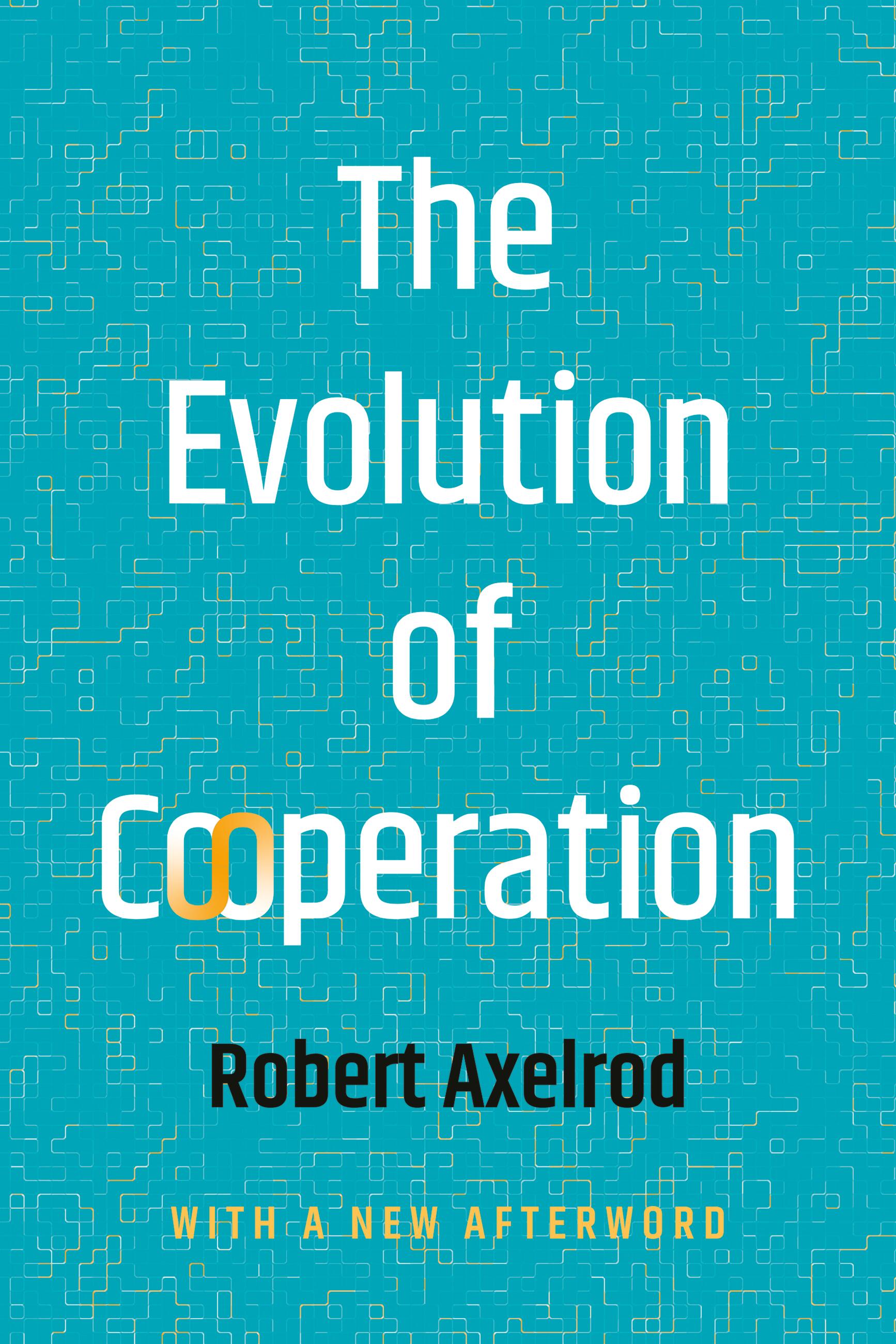
Robert Axelrod asks how cooperation can arise when people have reasons to act in their own interest. He uses repeated prisoner’s-dilemma games and a computer tournament to compare strategies, including the simple reciprocal approach known as Tit for Tat.
The book connects these models with wider questions about conflict and cooperation. Its value lies in making the conditions for cooperation open to study: how people respond to one another and what repeated encounters can change. This registry record uses the publisher’s 2025 revised paperback; it does not identify the edition an earlier reader used.
Why read it Our view
Use its models to ask when repeated work with customers, suppliers or colleagues can support reciprocal trust. Leonard’s own letter applies the work to decentralization and head-office costs. Treat that as his use of a model in one company, not proof that the same organization will work everywhere.