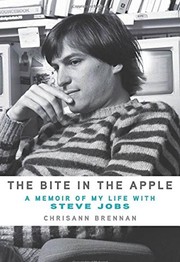
Chrisann Brennan met Steve Jobs at Homestead High School, was with him through Reed College and the founding of Apple, and is the mother of his first child, Lisa. Her memoir covers the years no business biographer had access to — the late 1970s and early 1980s when Apple was exploding and Jobs was becoming Steve Jobs. Brennan's account is less forgiving than her daughter's: where Small Fry is a literary memoir by a writer who happened to be Jobs's daughter, The Bite in the Apple is a memoir by an ex-partner who is still processing what happened. Brennan describes a young man who was brilliant, vulnerable, and sometimes cruel — she does not excuse the cruelty or frame it as the price of genius. The book is strongest on the early Apple years, when the company was small enough that Brennan was in the room for conversations that shaped the culture, and weakest when it speculates about Jobs's psychology.
The most useful part of this book for founders is Brennan's description of Jobs before he was successful — the hungry, insecure, brilliant kid who had not yet hardened into the figure he became. She describes him as someone who was terrified of being ordinary and drove himself accordingly, long before anyone else believed he would be extraordinary. For founders, that portrait is a reminder that the drive that looks like confidence from the outside often feels like anxiety on the inside.
Brennan also describes Jobs's tendency to rewrite his own history — denying paternity, denying that the Lisa was named after his daughter, denying that he had been difficult. Founders should recognise this pattern not as a character flaw but as a feature of people who are constantly moving forward: they edit the past to make the next chapter possible. The question is whether you value accuracy or momentum more, and Jobs clearly chose momentum.
The book's account of Jobs's vegetarian and fruitarian phases is also revealing. He believed that extreme control over his own body was connected to extreme control over his products — both were acts of will that separated him from ordinary people. Founders who practice asceticism as a marker of seriousness should ask whether the discipline is serving the work or just serving the self-image.