- Andrew Carnegie: "I can truly say in the words of Burns that there was then and there created in me a vein of Scottish prejudice (or patriotism) which will cease to exist only with life." source ↗
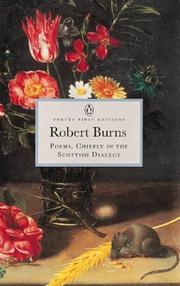
First published in 1786 in Kilmarnock, Scotland, this was Robert Burns's debut collection and made him famous almost overnight. Written largely in Scots dialect, it mixes celebrations of rural and working-class life with satire aimed at religious hypocrisy and social pretension, and it established Burns as Scotland's defining poetic voice.
This isn't a business book, but it's included here because it's the book a young Andrew Carnegie credited with shaping his identity before he ever built anything. In his own words, quoted directly in his autobiography, hearing and reciting Burns as a boy in Dunfermline "created in me a vein of Scottish prejudice (or patriotism) which will cease to exist only with life" — and that fierce, defensive pride in his working-class Scottish origins is visible throughout his later career, from his refusal to be embarrassed by having started as a bobbin boy to his lifelong identification with ordinary workers even as he became one of the richest men alive.
Burns's poetry is deliberately populist: it takes the language and concerns of common rural people and treats them as worthy of serious literature, rather than aping the polished English verse of the aristocracy. That same instinct — refusing to be embarrassed by unglamorous origins, and insisting that ordinary people deserve access to the same tools the privileged take for granted — reappears almost exactly in Carnegie's later philanthropy, particularly his insistence on building free public libraries so that other poor, ambitious kids could get the self-education he credited with his own rise.
For founders generally, the takeaway is less about Burns's specific verses and more about what it demonstrates: the books absorbed young, before any business success, often shape a founder's sense of identity and mission far more durably than anything read as an adult looking for tactics.