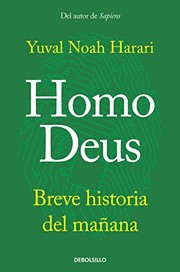
- Bill Gates: "A provocative new book raises big questions about the future." source ↗
Yuval Noah Harari's 2015 follow-up to Sapiens, first published in Hebrew by Dvir and in English by Harvill Secker in 2016. It examines what the human species might pursue in the 21st century: happiness, immortality, and god-like powers through biotechnology, AI, and data processing. The book's most provocative claim is that humans are algorithmic systems and that highly intelligent but non-conscious algorithms may eventually know us better than we know ourselves.
Gates wrote: "A provocative new book raises big questions about the future."
For a founder, Homo Deus is useful as a provocation about the endgame of the technology being built today. Harari's framing — that humanism is a religion that worships humankind, and that technology may supersede it — is not a prediction but a thought experiment about direction of travel. The section on 'the data religion' and algorithmic authority is directly relevant to any founder building personalised, algorithm-driven products: Harari asks what happens when the recommendation system becomes authoritative rather than merely helpful. The book's value is in the questions it forces, not the answers it gives, and founders should approach it the same way Gates did — as a provocation worth engaging with, not a prophecy to invest against.