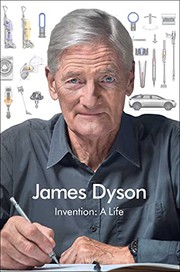
James Dyson's second memoir revisits his career with a wider lens than his first, tracing his path from art school through decades of engineering work, and framing his life less as a business success story and more as an argument for invention, education, and the value of engineers to society. It moves through his major inventions and failures, his fascination with restoring historic machines, and his efforts to train the next generation of engineers.
David Senra covered this on Founders (#205), and the core idea he draws out is that Dyson deliberately reframes his own life around failure rather than success — he even considered titling the book 'James Dyson: Failure' before being talked out of it. For founders, that reframing matters: the book treats invention as a practice of tolerating an enormous number of failed attempts, not a story of a few flashes of genius, which is a healthier mental model to operate from day to day than waiting for inspiration.
Senra also highlights Dyson's insistence on staying close to the actual engineering rather than managing from a distance — Dyson positions hands-on technical mastery as a competitive advantage, not something a founder should delegate away once the company grows. Founders in technical or product-heavy businesses should take this as an argument for staying in the workshop, literally or figuratively, long after it would be 'normal' to hand it off.
The book also shows Dyson putting his money behind unconventional, long-shot bets that experts dismissed (including a costly attempt to build an electric car), and funding engineering education directly rather than just talking about the shortage of engineers. It's a model of a founder using accumulated capital and credibility to reinvest in the thing he actually believes in, even against conventional business advice to diversify or de-risk.