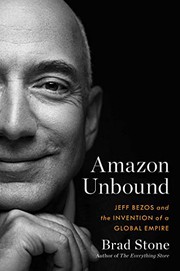
Brad Stone's 2021 follow-up to The Everything Store picks up Amazon's story from roughly 2010 onward, covering the company's transformation into one of the most valuable and powerful corporations in the world. It traces the creation of Alexa and Echo, the acquisition of Whole Foods, the buildout of Amazon's own delivery and logistics network, the explosive growth of AWS and third-party marketplace sellers, and mounting scrutiny over warehouse working conditions, antitrust concerns, and Bezos's escalating personal wealth and public profile, including his divorce and the founding of Blue Origin.
Amazon Unbound shows founders what scaling an already-dominant company looks like, which is a different problem than the founding-stage lessons in The Everything Store. Stone documents Bezos's shift toward delegating operational control (increasingly to lieutenants like Jeff Wilke and Andy Jassy) while retaining tight personal involvement in a small number of high-leverage bets — Alexa, the Whole Foods acquisition, and AWS expansion — which is a useful model for founders wrestling with what to delegate versus what to stay personally close to as their companies grow.
The book is also a study in relentless category expansion: Amazon used its logistics and cloud infrastructure as a platform to enter grocery, hardware, advertising, and entertainment, treating each new business less as a separate bet and more as another application of the same underlying operating system. Founders building platform businesses can take from this the idea that infrastructure investments made for one purpose (fulfillment centers, cloud servers) often become the foundation for entirely new revenue lines years later.
Stone doesn't sanitize the costs of this growth — labor practices, regulatory backlash, and Bezos's own personal reinvention are covered unflinchingly — making the book a useful corrective for founders who might otherwise idealize hypergrowth without reckoning with its organizational and reputational toll.