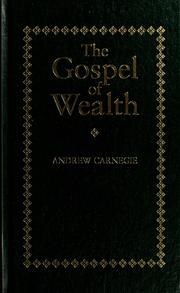
- Mark Cuban: "During the course of the semester, we read Andrew Carnegie, which discussed how it was patriotic to be wealthy, and all the good one would be able to do." source ↗
Andrew Carnegie's 1889 essay 'Wealth' (later titled 'The Gospel of Wealth'), the industrialist's argument that the accumulation of wealth is morally justified only when paired with systematic philanthropy — that the rich man is a trustee for the poor, and that the best use of great fortunes is to endow libraries, universities, and other institutions that help others help themselves. A founding text of American capitalism with a conscience.
Cuban encountered this essay in the entrepreneurship course he 'snuck into' at Indiana University, and has repeated its thesis for decades: that among the patriotic things you can do is get rich and pay your taxes. For founders the lesson is that the legitimacy of wealth creation has always rested on what is done with the wealth — and that treating the responsibility as part of the business, not an afterthought, is the durable position.