- David Senra — His profile of Samuel Zemurray — first covered on episode #37 (2018), reread for episode #255 (2022) — one of the underrated entrepreneurs he returns to. source ↗
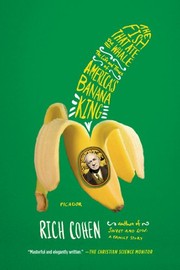
Rich Cohen's biography of Samuel Zemurray, a penniless Jewish immigrant from Bessarabia who arrived in America in 1891 and built a banana empire that eventually swallowed the much larger United Fruit Company. Zemurray started by hauling and reselling overripe 'trash' bananas that big importers threw away, then used the profits to acquire land in Honduras, engineer a private coup to protect his interests, and ultimately buy his way into control of the corporate giant that once dwarfed him. The book traces his rise from dockside hustler to one of the most powerful, and most ruthless, businessmen in American history.
Founders featured this book across multiple episodes (including #37 and a later re-recorded bonus episode), and David Senra treats Zemurray as one of the purest examples in the catalog of an outsider who wins by refusing to play the incumbent's game. The founder lesson is the book's title concept itself: Zemurray started in the market's least desirable niche — 'ripes,' the overripe bananas United Fruit wouldn't touch — and turned that scrap into the capital base for outcompeting the giant that ignored him. Senra frames this as a repeatable pattern: look for the unprofitable-seeming edge of a market that bigger players consider beneath them.
A second lesson is Zemurray's relentless, hands-on operating style. He worked the docks himself, learned every part of the supply chain, and later personally intervened in Central American politics (funding a private invasion of Honduras) when a government threatened his business — an extreme illustration of a founder who never delegates the problems that actually threaten the company's survival. Senra repeatedly highlights how Zemurray's willingness to do the unglamorous, sometimes brutal work himself is what let him outlast more polished, better-capitalized rivals.
The third throughline is patience paired with opportunism: Zemurray waited decades, quietly accumulating stock, until the Great Depression crushed United Fruit's share price — then he used that crash to seize control of the company that had once bought him out. For founders, the takeaway Senra draws is to stay in the game long enough, and stay liquid and alert enough, that you can act decisively when a crisis reshuffles the balance of power in your industry.