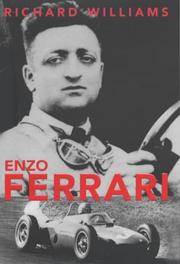
Richard Williams's biography traces Enzo Ferrari's life from his childhood fascination with racing cars, through his own driving career and years at Alfa Romeo, to founding Scuderia Ferrari and building it into one of the most storied brands in motorsport and automobiles. It covers his ruthless management style, his complicated family life (including the death of his son Dino), and his singular, decades-long obsession with racing above all else.
Ferrari is one of the recurring subjects on David Senra's Founders podcast (Senra has read multiple biographies of him), and the lesson he keeps pulling out is monomania: Ferrari worked on Ferrari every single day for roughly 60 years, often 12 to 16 hours, seven days a week, with no real interest in anything else. For founders, the takeaway isn't the cars — it's the demonstration that extreme, unbalanced focus sustained over decades is what actually produces category-defining companies, not a handful of intense years followed by diversification.
The book also shows Ferrari treating the road car business as a means to an end — it existed to fund the racing team, not the other way around. That's a useful model for founders: identify the one thing that is actually the mission, and structure everything else (revenue lines, side projects, even the org chart) to serve it rather than dilute it.
Finally, Williams doesn't flinch from how difficult and often cruel Ferrari could be — to drivers, employees, and family. It's a reminder that the biographies Senra draws lessons from aren't morality tales; founders are meant to extract the operating principles (obsessive focus, refusal to compromise on the product, willingness to be disliked) while judging the rest for themselves.