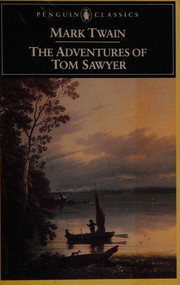
- Walt Disney The connection to Twain specifically, rather than Tom Sawyer by name, is what's documented; Disneyland's Tom Sawyer Island (1956) carries the title directly into the park regardless. source ↗
Mark Twain's 1876 novel follows the mischievous, imaginative Tom Sawyer through a series of boyhood escapades in the fictional town of St. Petersburg, Missouri, modeled on Twain's own childhood home of Hannibal. Tom navigates friendship, young romance with Becky Thatcher, witnessing a murder, and a treasure hunt with his friend Huckleberry Finn, in a story that satirizes small-town adult society while celebrating boyish ingenuity and freedom.
The book's most cited passage among founders and operators is the fence-whitewashing scene: rather than resent the chore his aunt assigns him, Tom performs it with such evident enjoyment that the neighborhood boys start paying him for the privilege of doing his work for him. It's a compact parable about how perceived value, not the task itself, drives willingness to buy in — the same principle behind positioning, incentive design, and making people want something they'd otherwise avoid.
Beyond that single scene, Tom is a recurring case study in spotting and manufacturing opportunity out of ordinary situations: trading trinkets, staging his own funeral to enjoy the town's reaction, and using storytelling and charisma to get others to act against their initial interest. None of this is offered as business instruction — it's a 19th-century novel about childhood — but founders and marketers have long borrowed it as an early, accessible illustration of scarcity, framing, and salesmanship, useful less as tactical guidance and more as a memorable mental model for reframing how work and rewards are perceived.