- Warren Buffett In the 2012 letter he places Fisher’s Common Stocks and Uncommon Profits “behind only The Intelligent Investor and the 1940 edition of Security Analysis in the all-time-best list for the serious investor.” He later wrote the foreword to the sixth edition. source ↗
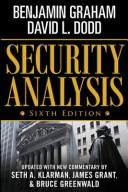
Security Analysis, first published in 1934 by Benjamin Graham and David Dodd in the aftermath of the Great Crash, is the dense, technical textbook that founded the discipline of value investing. It provides a rigorous framework for analyzing balance sheets and income statements to determine a security's intrinsic value, distinguishing sound investment from speculation, and covers bonds, preferred stock, and common stock analysis with an emphasis on downside protection over upside prediction.
Security Analysis is a harder, more technical read than The Intelligent Investor, written for professional analysts rather than general readers, and it is less frequently covered in founder-focused media — but its underlying discipline is exactly what David Senra returns to across the Founders podcast when discussing Graham's influence on Buffett: the obsession with facts over forecasts. Graham and Dodd insisted analysts ground conclusions in verifiable, present-tense financial data rather than optimistic stories about the future, a habit founders can borrow directly when evaluating their own numbers — resist the temptation to justify a bad month with a hopeful narrative about next quarter.
The book was written in the shadow of the 1929 crash, and that context matters for founders: Graham and Dodd built their entire method around protecting against catastrophic loss first, upside second. For a founder, this reframes risk management as the primary skill, not a secondary consideration bolted onto growth ambitions — cash runway, customer concentration, and downside scenarios deserve the same rigorous, dispassionate analysis Graham applied to a balance sheet, precisely because founders (like investors) are prone to overweighting optimistic narratives about their own venture.