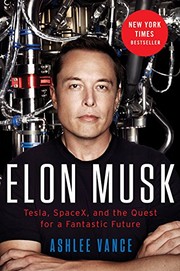
Ashlee Vance's 2015 biography traces Elon Musk from a difficult childhood in South Africa through Zip2 and PayPal to his simultaneous, near-collapse-inducing bets on Tesla and SpaceX in the mid-2000s. Drawing on roughly 50 hours of interviews with Musk and interviews with around 300 people in his orbit, Vance builds a portrait of an engineer-founder who moved from software into the hardest possible physical industries — rockets and cars — and nearly went bankrupt doing it before both companies turned the corner.
This was the subject of episode #1 of David Senra's Founders podcast, and it set the template Senra would use for hundreds of episodes since: read the primary account of how an obsessive founder actually operated, not the sanitized press version. Vance's book is the source for the image of Musk in 2008 personally sleeping on factory floors and moving money between Tesla and SpaceX payroll to keep both alive simultaneously — a level of personal risk-bearing that Senra returns to again and again as the real cost of founder-level conviction.
The book is also the clearest account of Musk's insistence on vertical integration and in-house manufacturing rather than relying on suppliers — at SpaceX he concluded it was cheaper and faster to build rocket components himself than buy them from aerospace contractors, a bet that became a durable competitive advantage. Founders draw the same lesson from Musk's algorithm (later formalized publicly): question every requirement, delete parts and steps aggressively, only automate afterward. Vance documents this instinct in its earlier, less codified form.
Vance doesn't flatter Musk — he documents the volatility, the broken relationships, and the toll the work took on the people around him — which makes the book useful to founders less as a hero's journey and more as an unflinching case study in what extreme, monomaniacal focus on a mission actually costs, alongside what it can produce.