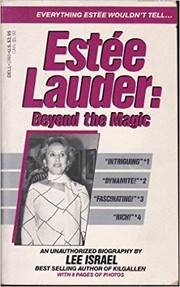
Lee Israel's unauthorized biography retells Estée Lauder's rise from a Depression-era kitchen chemist selling homemade face creams to the founder of a global cosmetics empire, but with a more skeptical eye than Lauder's own memoir. Israel digs into disputed details of Lauder's age, background, and Jewish heritage, questions her treatment of the chemist uncle whose formulas underpinned the company, and examines the aggressive sales tactics that built the brand.
This book is a useful counterweight to the polished founder-origin-story genre. David Senra's Founders podcast covers Estée Lauder primarily through her own memoir, "Estée: A Success Story," which is triumphant and self-authored; Israel's account is the more skeptical version of the same rise, and reading both together shows founders how much of a company's origin story is deliberately constructed. Lauder didn't just build a product — she built and tightly controlled a personal myth, and treated that myth as a genuine business asset.
What Israel documents clearly is the sheer physical hustle behind the brand before the myth-making: Lauder personally cornered customers on department store floors, gave away free samples relentlessly, and invented the "gift with purchase" model that the entire beauty industry still uses. For founders, the lesson is that in-person, founder-led selling — the unscalable stuff — is often what actually gets a company off the ground, well before any brand story matters.
The book also raises harder questions worth sitting with: how the company's success depended on a family member's underlying formula and labor without full credit or compensation, and how ruthlessly Lauder managed her own narrative. It's a reminder that a founder's told story and a founder's actual methods can diverge, and that operators should be honest with themselves about which one they're running on.